


Alan has a handy tip for a small garden (Image: Emma Peios, WireImagevia Getty Images)
Every garden should have at least one tree, according to Alan Titchmarsh, but planting one is a lifelong commitment. The gardening expert emphasises the importance of getting it right from the outset.
Selecting the ideal tree can be challenging, particularly for smaller gardens. However, Alan has identified a top contender for those dealing with the more compact gardens typically found in urban areas.
“If you’ve got a smallish garden,” he advises on his Gardening with Alan Titchmarsh YouTube channel, “the best thing to do is to find a tree which will never eat you out of house and home.”
His top pick is a winter-flowering cherry, which offers a burst of colour while the rest of your garden hibernates during the chillier months.
Now might be the best time to get your tree planted, Alan advises: “You can plant at any time of year, but I still think it’s great to get tree planting done as soon as you possibly can before spring.”
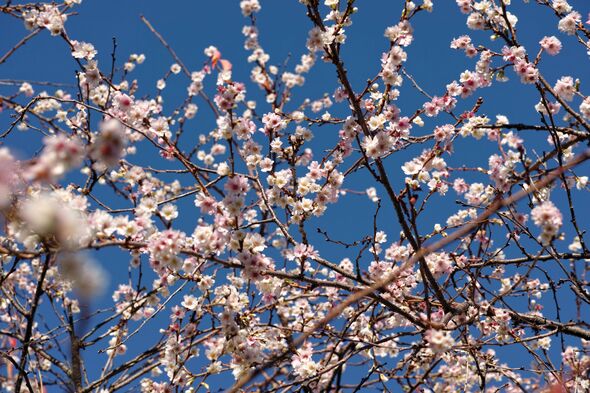
A winter-flowering cherry will bring colour to your garden in the darkest months (Image: Kayco via Getty Images)
Planting a tree at this time of year allows it to settle in, develop its roots, and flourish when the warmer weather arrives, he explains.
“Winter is a great time to plant trees,” Alan continues. “Any time between November and March, particularly for bare root trees that have been dug up to be transplanted.”
One crucial consideration when purchasing a partially mature tree from a nursery is to avoid planting it excessively deep. Should your tree arrive in a pot, observe its original planting depth and ensure the roots aren’t buried any further than previously.
Whilst some gardeners insist upon square-shaped holes for planting, Alan maintains the configuration is insignificant: “Believe me, the roots of this tree can’t tell whether the hole is circular or square.
“Just dig a decent size hole that’s about 20 or 30 centimetres bigger all the way around than the root ball.”
Should the root ball look a little on the dry side, thoroughly watering it before planting proves beneficial. Additionally, gently loosening the roots will encourage their expansion following planting.
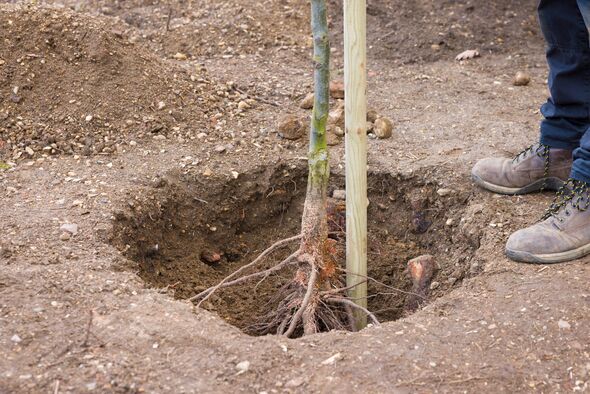
Make sure the roots are not too dry when you do your planting (Image: PaulMaguire via Getty Images)
After that, it’s all pretty straightforward, Alan says — simply position your winter-flowering cherry into the hole and backfill carefully, ensuring no root damage occurs. Throughout the process, verify your tree stands upright rather than tilting awkwardly.
For locations prone to blustery conditions, incorporating a supporting stake whilst the young tree establishes itself would be prudent.
Immediately, Alan notes, you’ve created a striking focal point in your garden, with the television gardener remarking: “They’re already peppered with flowers in the middle of January.
“The smaller cherries are really useful. And the winter flowering cherry, which will pop its little blooms out from tiny little buds through several weeks in the winter, give you a bit of winter interest.”
Comments are closed.