
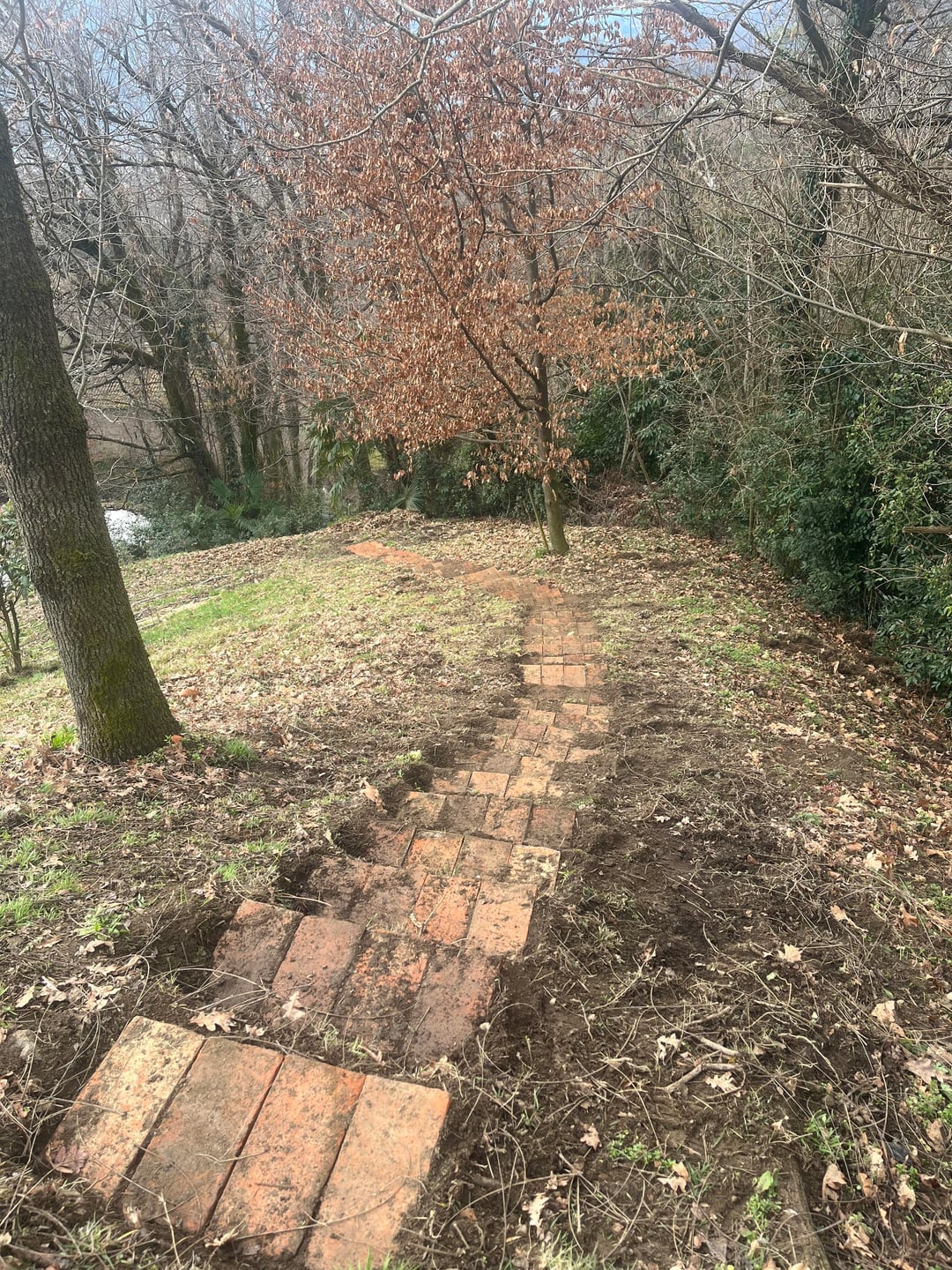
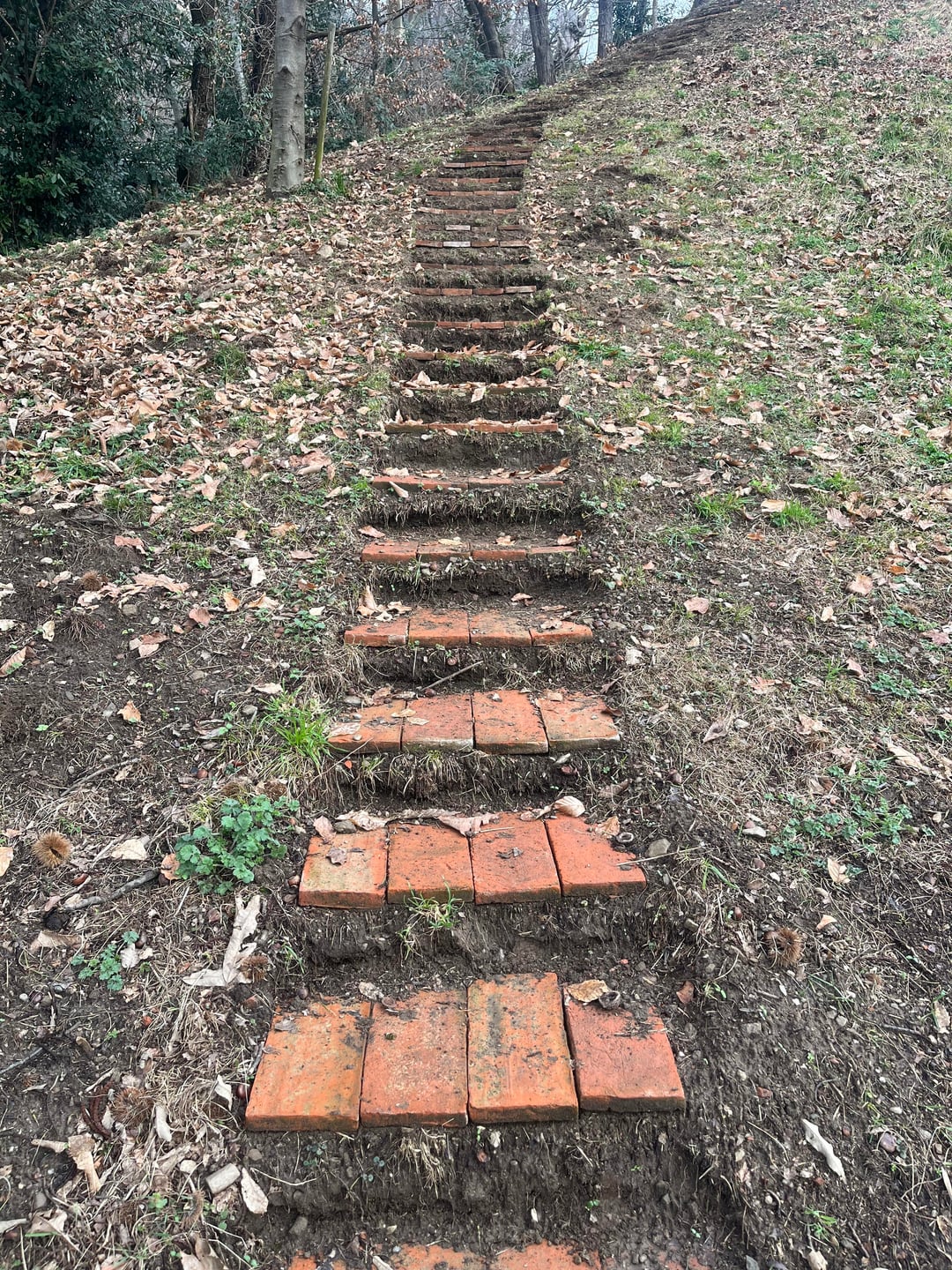
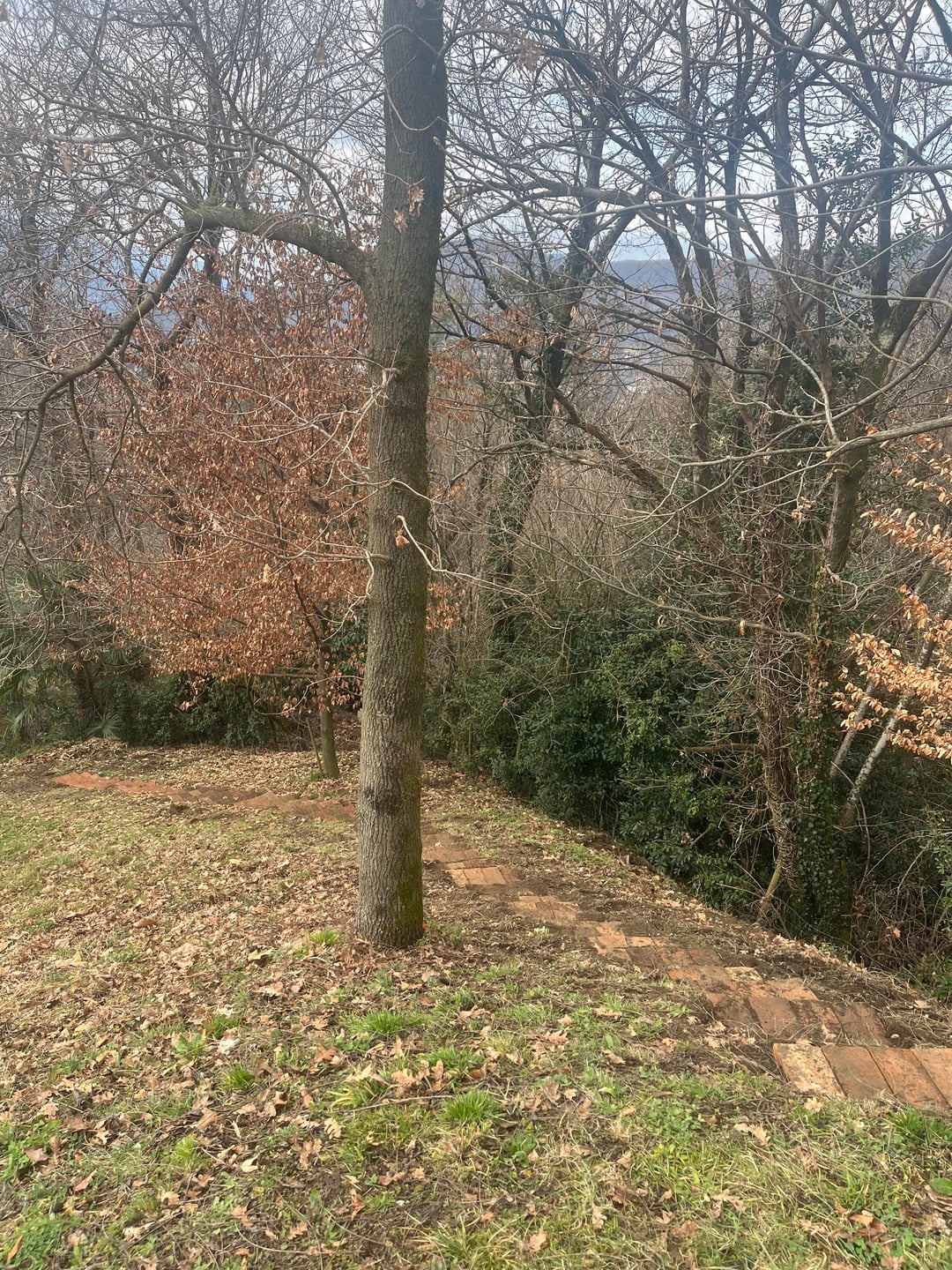
We built some homemade garden steps using thick terracotta tiles we had left over. We dug stepped holes in a sloped garden, removed rocks, and placed the tiles directly on the soil, making sure they have a rising slope so they dont flatten over time.
We’re wondering whether, with time, grass growth and sediment will help stabilize the steps, or if it would be better to improve them now by lifting each tile and adding a sand (or sand + gravel) base underneath.
We think they will hold and age well as they are, but we’d like a second opinion from people with experience.
Has anyone dealt with something similar? How did it hold up long term?
Thanks!
by Disastrous_Active805
8 Comments
If you live in an area with freeze/thaw conditions these won’t stay put for very long. The dirt and grass will creep over the edges and out from underneath. The tiles themselves will move around quite a bit I bet after just one winter. If you don’t get any freezing it’ll probably last a couple years but erosion will still be a problem.
I have not done the same, but a solid foundation of compacted sand and gravel is typical for something to last. You also would typically slope the steps very slightly downward so water runs off them. If you sloped them backwards, water will like sit on the steps very slightly and erode the ground below/behind the blocks. There is so much that goes into a project like this or retaining walls too!jere is just one method. [https://youtu.be/inaI1jb8Fxo?si=TK1dRoKMJeZMlkFx](https://youtu.be/inaI1jb8Fxo?si=TK1dRoKMJeZMlkFx)
I like it. Get the weed wacker out and edge them up and keep it manicured.
If you didn’t compact the soil and placed it directly on the soil, what’s to keep moisture from wetting the soil and slowly sinking your steps? We see a lot of examples of valve boxes disappearing over time like this.
Landscape traffic features longevity is proportionally related to soil prep. Little slow prep? Little longevity.
Do it right or do it again soon.
You are dealing with a classic case of migratory riser syndrome. Placing rigid tiles directly on native soil is a gamble you almost always lose because soil is active, it swells when wet, shrinks when dry, and heaves if it freezes. Without a compacted layer of crushed stone or gravel underneath to decouple the steps from that ground movement, those tiles are going to drift, tilt, and eventually crack. Relying on grass roots to hold structural weight against gravity on a slope usually just ends up with a muddy, slippery mess.
You should definitely lift them now while the project is fresh. Dig down a few extra inches and install a base of angular crushed gravel or road base, tamp it down hard, and then reset your tiles. You want jagged stone that locks together, not round pea gravel or plain sand that will wash out in heavy rain. Before you do the heavy lifting, you might want to run a photo of the slope through GardenDream to visualize how proper timber or stone risers would look compared to just these floating pads; getting the rise-to-run ratio right is crucial so you don’t end up with steps that feel awkward to walk on.
Like others said, without a compacted stone base this probably won’t last long. And even with good prep I think these tiles may be too thin for how you are trying to use them
I like the idea, but as placed these are going to move fairly quickly. Worst part is going to be erosion at the leading edge…which could have been somewhat mitigated by placing a couple tiles perpendicular underneath the leading edge of each step. Hope I’m wrong. Best of luck.