
Daily Mail journalists select and curate the products that feature on our site. If you make a purchase via links on this page we will earn commission – learn more
A top horticulturist has revealed how to prep your garden this month so it will be blooming effortlessly by the time spring rolls around.
It may feel like the UK is still in the depths of winter, with temperatures seldom reaching double digits; however, now is the time to start pruning, planting and prepping your garden.
Royal Horticultural Society (RHS) chief horticulturalist Guy Barter said there’s plenty that can be done in February, but it’s best to leave the chores for drier days.
‘February (is an) important month to get everything, in the greenhouse and outside, ready for March to June when the garden gets going and finish off winter pruning, planting and soil preparation,’ he said.
‘But this is tricky – windy, sunny and dry is good, but all too often we get a February Fill Dike as per the famous picture.’
According to the RHS, the top job to get done on the dry days in February is to prepare vegetable seed beds and start sowing veggie seeds under cover, protected from the elements.
Keen gardeners can also start ‘chitting’ potatoes, pruning any unruly branches, and cleaning up the greenhouse.
While birds are usually welcome guests in any garden, they pick and peck at this time of year, thwarting new and established plants before they get a chance to blossom, so putting some pest-proof guards in place might save your sprouts.

Royal Horticultural Society (RHS) chief horticulturalist Guy Barter (pictured) has shared the tasks to tackle in the garden this February
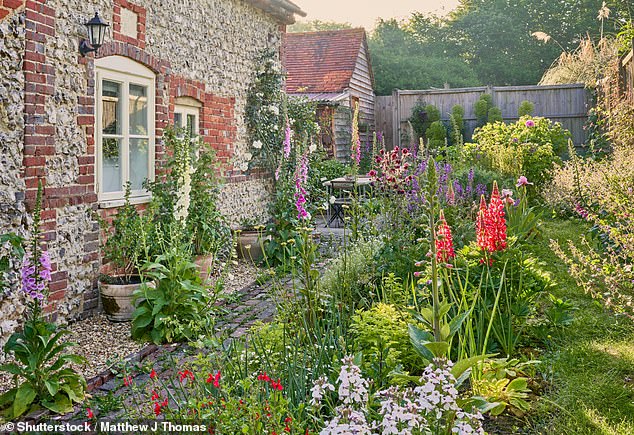
It may feel like the UK is still in the depths of winter, with temperatures seldom reaching double digits; however, now is the time to start pruning, planting and prepping your yard
GARDEN TASKS TO ADD TO YOUR TO-DO LIST IN FEBRUARY
For already established gardens, Guy said February should be about focusing on pruning, sprucing up the greenhouse, getting soil ready, sorting out seeds and planting.
The RHS recommends sowing lettuces and other salad crops, but make sure they are planted under cover.
If you have top and soft fruits like apricots, nectarines and peaches, now is the time to put some frost protection in place.
RHS’s top 10 gardening jobs to do in February Prepare vegetable seed beds, and sow some vegetables under coverChit potato tubersProtect blossom on apricots, nectarines and peaches Net fruit and vegetable crops to keep the birds off Prune winter-flowering shrubs that have finished flowering Divide bulbs such as snowdrops, and plant those that need planting ‘in the green’ Prune Wisteria Renovate overgrown hedges with pruning Prune conservatory climbers such as bougainvillea At end of month, start cutting back deciduous ornamental grasses to allow new growth to come through
Source: RHS
<!- – ad: https://mads.dailymail.co.uk/v8/us/lifestyle/lifestylegardening/article/other/mpu_factbox.html?id=mpu_factbox_1 – ->
Advertisement
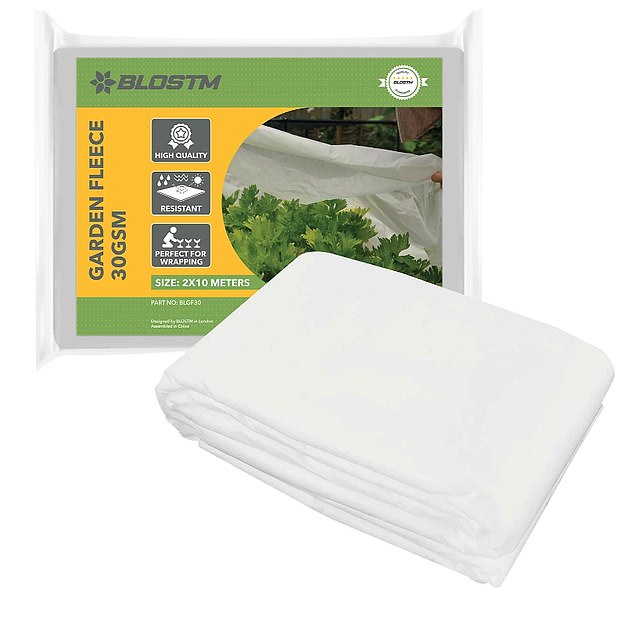
Depending on what you’re growing, green thumbs may need to use a fleece or cloche overnight so your fruits don’t succumb to icy conditions.
In a new garden, Guy recommends marking out a plan for the months leading up to spring and get ready for the jobs that need doing in March.
‘Get in what you need ready to get on the ground when March comes, install water butts, dig a pond, build paths, plant trees, and shrubs,’ he said.
For those with lawns, Guy said to forget about the fertiliser until April and instead look at treating moss.
While grass grows more slowly in the colder months, moss continues to flourish and spread, giving lawns a tough competitor when growth resumes come springtime.
There are no products that eliminate moss completely; however, there are non-chemical solutions that are easy and effective at controlling its growth.
The RHS advises against using baking soda, vinegar, bleach, soap and other household products often encouraged online and instead recommends using Viano MO Bacter Organic Lawn Fertiliser and Moss Remover.
Ornamental grasses should be cut down to just a few inches to allow new growth to come through.
Make sure to prune plants like wisteria, overgrown hedges, as well as conservatory climbers like bougainvillea.
It’s also wise to prune winter-flowering plants that are no longer flowering to encourage strong, healthy shoots for the next season.
Potatoes are easy and fun to grow and can produce an abundance of crops in summer and autumn.
Before planting seed potatoes, they need to be ‘chitted’, which is garden jargon for being encouraged to sprout – it’s not an essential step, but it will give your spuds a good head start.
Place potatoes in an old egg carton or seed tray somewhere cool and bright and watch them start to sprout over the course of four to six weeks; then by late March, they should be ready for the ground.

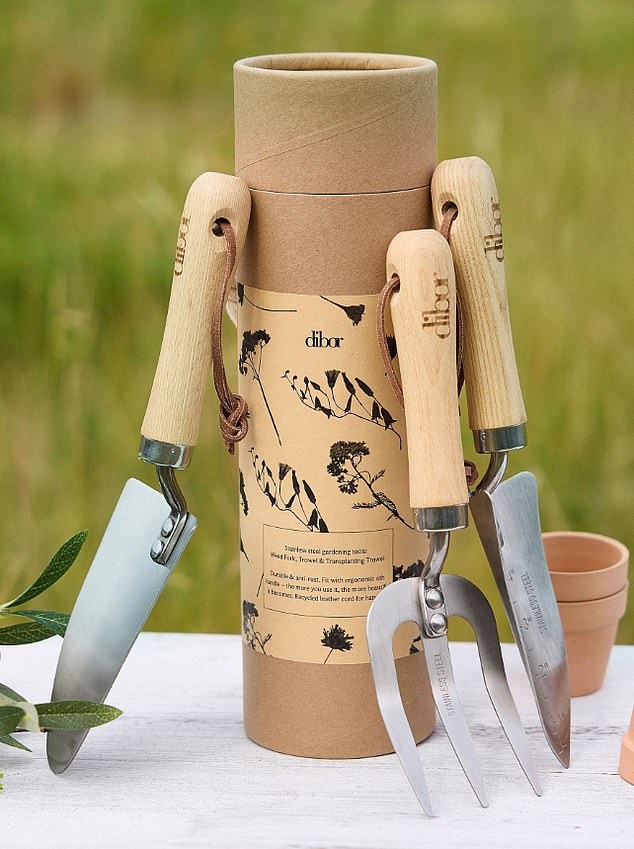
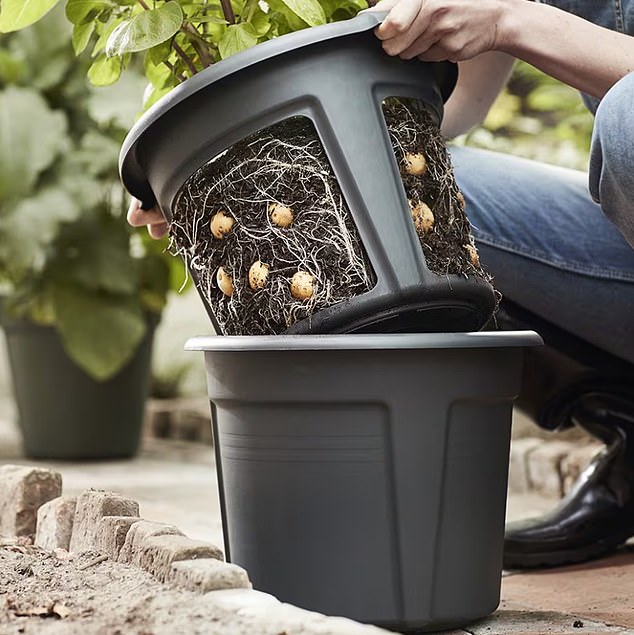
WHAT YOU SHOULD – AND SHOULDN’T – PLANT IN FEBRUARY
What can and cannot be planted in February depends on how much rainfall there has been or how dry your garden is.
If the soil is dry, Guy gave his go-ahead to plant onion sets and broad beans outdoors.
February isn’t quite the ideal time for planting shrubs and trees, including fruit, as it’s best to wait for March or April, but Guy said if the soil is dry enough, it’s ‘good to get ahead’.
It’s the same deal for herbaceous perennial flowers like geraniums, irises, and peonies – while the soil is often not dry enough, it’s good to plant them now if you’re lucky enough to land on dry conditions.
Lily bulbs can be planted in pots either indoors or in a cool greenhouse, and dahlias can be potted up in a light, warm place.
Other florals to plant, sew or pot in February include sweet peas, hardy annuals, summer-flowering Dutch iris bulbs, and gladioli corms.
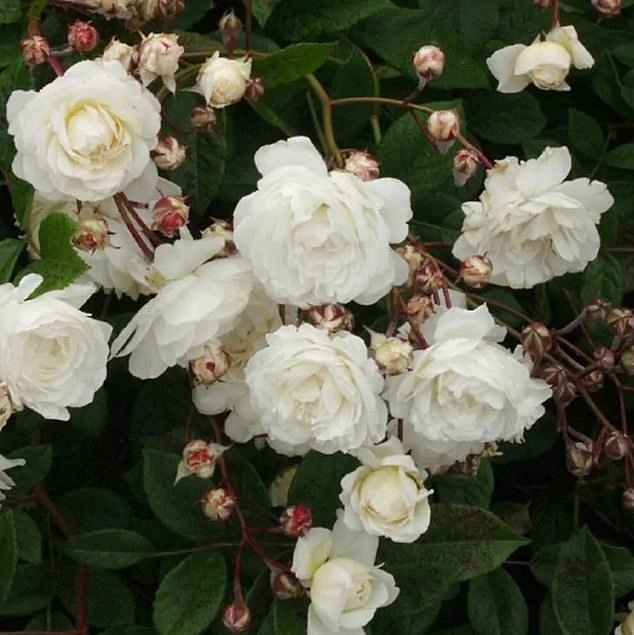
Roses can be pruned and planted now, but the RHS warns not to plant the popular flower in areas where they have been previously established, as new bushes could be susceptible to replant diseases.
Guy said February isn’t the time to plant tender annuals like agapanthus and that they should wait until April.
CURB THE CRITTERS
Pigeons feed on a variety of plants, from lilacs and peas to brassicas like cauliflower and cabbage.
They tend to peck at and rip the leaves, and can strip buds and fruits, which, in extreme cases, can mean the plants don’t produce crops.
Guy said: ‘Birds can get ravenous, so netting brassicas is wise, and put out some bird food to distract them and keep them from harm.’
Pigeons have a taste for cherries, lilacs, peas, currants, and other fruits, too, but established trees and shrubs usually recover well from prying beaks.
Netting can be placed over vulnerable plants, but make sure it is pulled taut so birds and other animals don’t get trapped underneath.
Aside from birds, garden lovers should keep their eyes peeled for spider mites, fungus gnats and aphids.
Alpha Pest Control suggests using clean tools and fresh compost, as well as bottom watering trays and pots, which can help control their spread.
Instead of hosing down plants from above, place pots and trays in shallow water for 10-15 minutes to let the bottom layer of soil soak it up.
This method stops fungus, pests, and diseases from being splashed onto neighbouring plants.


Comments are closed.