
Spring bulbs go into their gardens through autumn because they enjoy the chill of winter. Summer bulbs do not.
They instead prefer to wait until after the coolest of winter weather. If they start too early, some might decay in cool and damp soil before they begin to grow. Some may grow while the weather is warm only to incur damage from later cool weather.
However, they should not wait for too long. Summer bulbs dislike winter but enjoy spring. Those that start about now will be ready for it. By the time their new growth emerges from the soil, there will be no concern of frost.
Although most generate only vegetative growth through spring, they bloom for summer. Many continue until frost or the following autumn.
Summer bulbs, like spring bulbs, are merely dormant perennials. Only a few are actually bulbs, though. Most are corms, rhizomes or tubers. They produce new foliage and bloom while the weather is warm. Then, they go dormant as the weather cools for the following autumn or winter.
Once in the garden, several types can stay and perpetuate indefinitely.
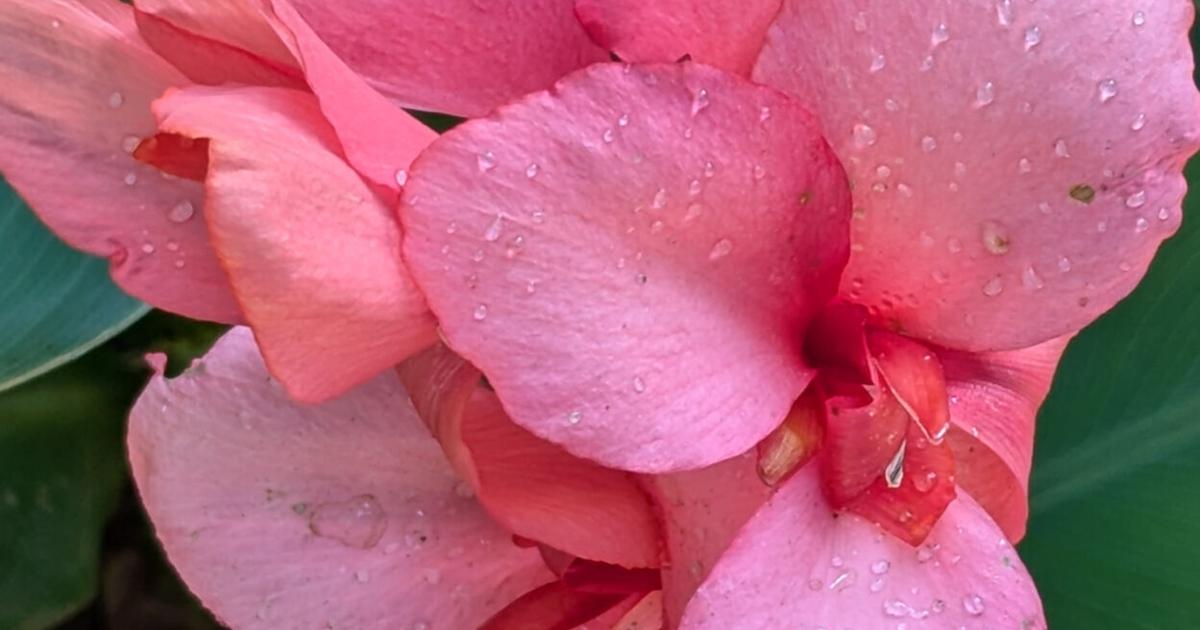
For example, new canna rhizomes might rot if they go into the garden too early in winter. However, after their first summer, they can survive in the garden through their next winter.
Dahlias might also survive winter dormancy in the garden. However, they are more likely to survive if dug and stored for winter. Their tubers might return to the garden about now.
Summer bulbs that are actually bulbs or corms, such as gladiolus, generally bloom once. Dahlias grow from tubers, so bloom for a more extensive season.
Summer bulbs that are rhizomes, such as gingers, may bloom once or sporadically. Gingers and crocosmia can eventually become invasive.
However, gladiolus is rarely as sustainable as it should be.
Summer bulbs become available from nurseries as it becomes time to plant them.
Some are available now, and more will become available as their season progresses.
Dahlias, cannas and callas should be available growing in pots after early spring.
Summer bulbs that proliferate a bit too much are easy to share. Many propagate very easily by division. Most perform as well within large pots and planters as they do in the soil.
Calla
With few exceptions, common calla, Zantedeschia aethiopica, blooms exclusively white.
‘Green Goddess’ blooms with green stripes on bigger and more open blooms. ‘Pink Mist’ blooms with a pale pink blush at the bases of its blooms. More colorful summer calla are Zantedeschia elliotiana, which is a different species.
Cultivars of common calla are rare.
Calla is an herbaceous perennial that grows from thick rhizomes. It can be invasive, and difficult to eradicate once it gets established. Its basal leaves stand two or three feet high or a bit higher if shaded.
More than the lower half of their height is petiole. The upper leaf portion is broad and arrow shaped. All growth is rather spongy and soft, and tears easily.
Callas bloom mostly sporadically for spring, summer and autumn. Mature colonies often bloom with more profuse phases. New rhizomes do not bloom for a few months, though.
Individual blooms consist of a solitary flaring spathe surrounding a spike shaped spadix.
Compressed flowers adhere tightly to the yellow spadix. Callas are splendid cut flowers.
Comments are closed.