
Growing beautiful houseplants is a joy any time of year, but especially during the winter months. However, you may find yourself longing for a taller, greener indoor garden. And while these plants certainly won’t change overnight, certain species do grow faster than others.
Environmental factors are a factor in this conversation: “Light is super important when talking about growth rates,” says Justin Hancock, horticulturist at Costa Farms. “The more light a plant gets, the faster it will grow; the less light it gets, the slower it will grow.”
Here, we got the full scoop on fast-growing houseplants from our experts. Read on for the species they recommend.
Pothos
Credit:
Getty Images
Pothos (Epipremnum aureum) is a favorite for a reason—it’s easy to care for, and is remarkably fast-growing. “Given regular moisture, it can grow 6 to 12 inches a month!” says Niki Jabbour, founder of Savvy Gardening. “Over many years, the vines easily reach lengths of 20 feet or more.”
Hancock notes that growth rates do depend on the variety. “In general, the more variegation they have, the slower they grow.” He recommends Baltic Blue and Global Green.
Size: Up to 20 feet longCare requirements: Low to bright, indirect light; water when the soil is dry to the touch
Heartleaf Philodendron
Credit:
Getty Images
Heartleaf philodendron (Philodendron hederaceum) doesn’t grow at the breakneck speed that pothos does, but it’s another great option for impatient gardeners. “It’s beloved for glossy green leaves produced on long, 10 to 12-foot vines,” Jabbour says.
Like pothos, it’s also easy to grow, so it’s an enjoyable houseplant even if you’re a beginner.
Size: 3 to 13 feet longCare requirements: Bright, indirect light; water when top inch of soil is dry
Peace Lily
Credit:
Helin Loik-Tomson / Getty Images
Peace lilies (Spathiphyllum) are symbols of tranquility, and they’re great beginner houseplants. Hancock counts them among his favorite fast-growing options. They can even bloom all year if you provide them with the right care.
Size: Up to 3 feet tallCare requirements: Bright, indirect light; water them when the top 1 to 2 inches of the soil dries out
Dieffenbachia
Credit:
DEA / G. CIGOLINI / Contributor / Getty Images
Also called dumb cane, Dieffenbachia is a tropical plant that adds color and vibrancy to any room. “My grandmother had a huge plant in her house—it grew so fast, it seemed to get bigger with each visit, eventually touching the ceiling,” says Jabbour.
Size: Up to 10 feet tallCare requirements: Bright, indirection light; maintain a lightly damp growing mix.
Swedish Ivy
Credit:
Tatyana Abramovich / Getty Images
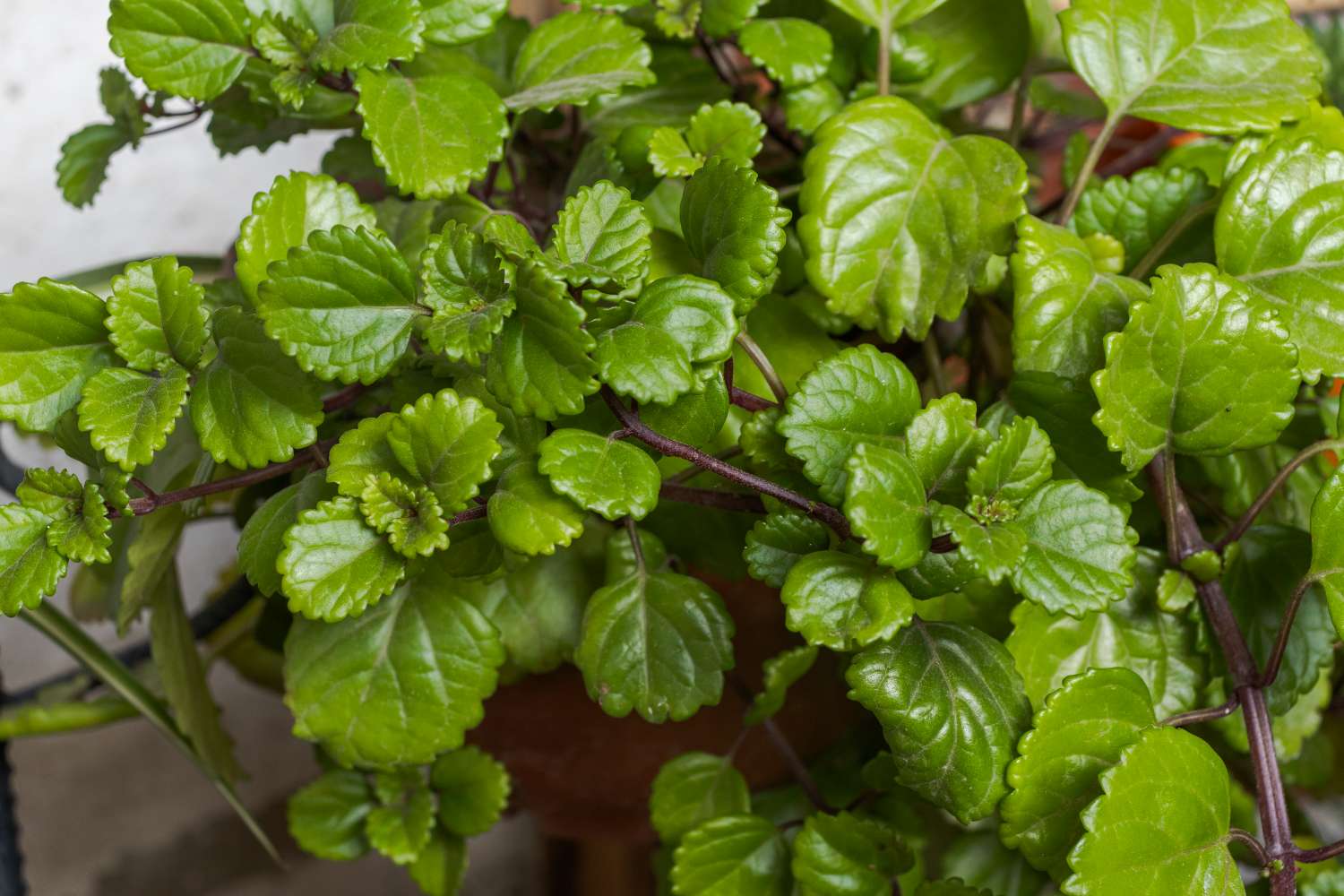
Jabbour describes Swedish ivy (Plectranthus verticillatus) as a “carefree and attractive” plant with “shiny, scalloped leaves.” If you’d like, there are even varieties with variegated, white, or yellow leaves.
“The fast, trailing growth fills out a hanging basket nicely, and it’s easy to propagate and share with friends,” she says.
Size: 2 to 3 feet tall x 2 to 3 feet wideCare requirements: Bright, indirect light; consistent moisture, but don’t overwater. Maintain a lightly damp growing mix.
Monstera
Credit:
wulingyun / Getty Images
Some Monstera varieties are very fast-growing. Hancock recommends Monstera deliciosa, Little Swiss, and Peru. “Like pothos, variegated types will be slower than green types,” he says.
Jabbour says Monstera adansonii, or Swiss cheese vine, is another excellent choice. “Expect a healthy plant to grow a foot or more a year, up to 12 feet or so at maturity,” she says. “It’s a good choice for growing up a trellis or moss pole—or let the vines drape over shelves and windowsills.”
Size: depends on varietyCare requirements: Bright, indirect light; water when top inch of potting soil is dry, soak the mix completely
Spider Plant
Credit:
Massimiliano Finzi / Getty Images
Spider plants (Chlorophytum comosum) are easy to maintain and grow quickly. “I have to divide mine every year or two to ensure they have enough root space,” says Jabbour. “That means I always have spider plants to share with friends and family.”
She recommends fertilizing in late winter and again in early summer. But don’t overdo it!
Size: Up to 2 feet tallCare requirements: Bright light, keep potting soil lightly damp.
Comments are closed.