
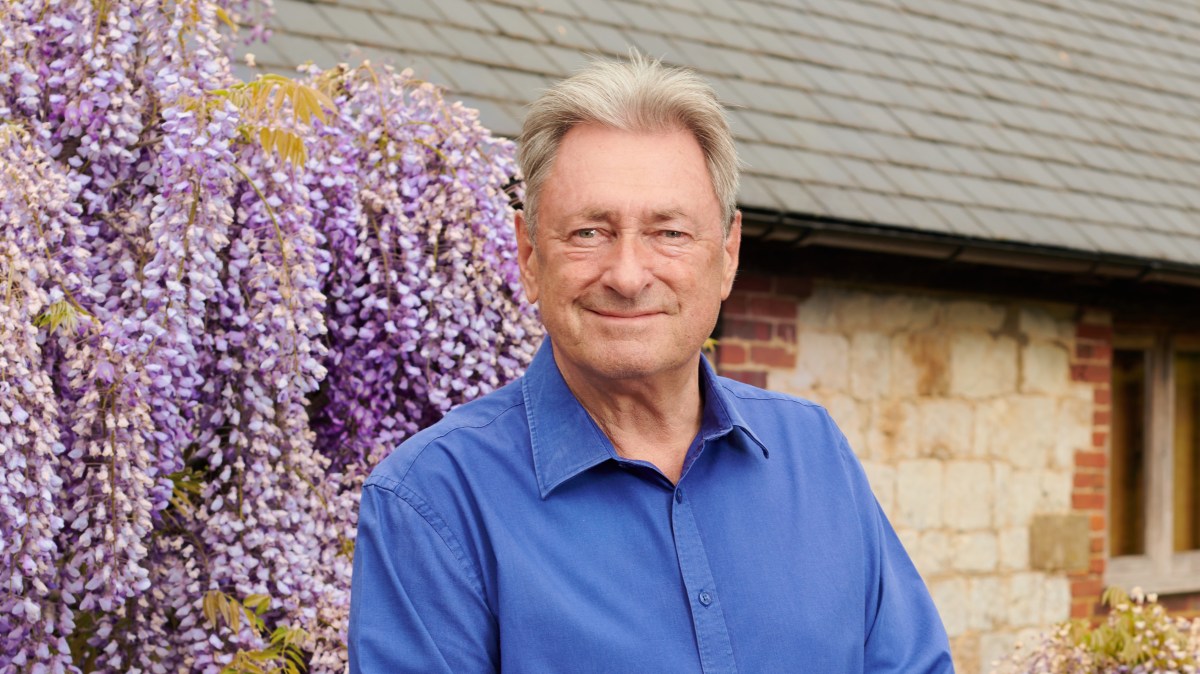
As a horticulture student, Alan Titchmarsh was so disdainful of fake flower arrangements in hotels and restaurants that he and his friends would leave cards beside them inscribed: “Artificial flowers lower the tone of this establishment.”
Back then, he told The Times, they were “pretty nasty things”, made of tough plastic that attracted dust. Nowadays, however, they are so realistic that even the former presenter of Gardeners’ World has changed his tune.
“Don’t be a snob about them,” he said. “If people find it enriching to have something which very closely resembles a real flower, but a real flower would not survive, why not let people have them?
• How to create a room with a (garden) view
“If you’ve got a room where there is no natural light, and you want something that looks like a plant, I would not discourage you from getting one.”
Artificial flowers today are often made from synthetic silk. “They’ve come a long way, and it is amazing,” Titchmarsh said.
Some may balk at the unnaturalness of fake daffodils in December, but Titchmarsh said humans had been imitating botanical beauty for hundreds of years. The Dutch masters would paint implausible arrangements of flowers from different seasons, adding in tulips then roses and lilies as the year went by.

Fake flowers adorn the Dalloway Terrace at the Bloomsbury Hotel in London
ALAMY
“Hanging one of their paintings on your wall is artificial as well. It’s just another angle on the beauty of flowers,” Titchmarsh said.
Despite the horticulturalist’s new-found enthusiasm for fake plants, he said he always had “real flowers in the house”.
“The unchanging nature of artificial flowers is to their disadvantage,” he added. “The fleeting nature of flowers makes the moment of their arrival all the more precious.
• The Times View: Alan Titchmarsh has declared artificial flowers acceptable
“The beauty of living in a temperate climate is that we get seasonality and change. At the moment we’re loving snowdrops, but we’ll tire of them and the daffodils will come along and then the narcissi and the tulips … nothing will ever beat the real thing.”

An artificial floral display in Belgravia, London
ALAMY
Artificial flowers made up 14 per cent of flower sales in 2023 and the market in Britain is growing, according to research published last month by the Faux Flower Company. Rachel Dunn, the retailer’s head of product, said: “The quality has reached a point where they enhance rather than compromise a design scheme.”
• Tired of the allotment waiting list? This millennial has a solution
Jamie Grant, the owner of Gardenia of London, a florist, said: “We can understand why artificial flowers are becoming more popular. They’ve become far more realistic, and for some people they feel like a convenient, long-lasting option.
“From an environmental point of view, though, it’s worth looking at what they’re made from. Most artificial arrangements are plastic-based, often imported and very difficult to recycle — so they tend to sit in landfill long after they’ve stopped being used.
“Real flowers don’t last for ever, but that’s also what makes them honest — a small, natural beauty that returns back to the earth.”
Nik Southern, founder of the London florist Grace & Thorn, said: “Real flowers do more than just decorate your space — they bring it to life with their natural beauty and scent. They offer a presence which artificial flowers can’t replicate, a reminder to slow down and appreciate something genuinely alive.”
Comments are closed.