


Herbs are a simple way to support everyday well-being, writes David Domoney (Image: Getty)
Herbs are a simple way to support everyday well-being whilst making food taste better. Right now, you can start tender herbs from seed in a warm propagator on a bright windowsill. You can also buy small pots and keep them indoors for quick picking. For hardy herbs, you can also grow young plants on a sheltered sill now, then move them outside when the weather softens. If your space is limited, plan a few larger pots for spring and summer, and start with one or two indoor growers today.
You can see how to make a window box of herbs on my YouTube channel, @daviddomoney
Read more: I’m a gardening expert – now’s the time to get your plot set for the spring
Read more: These 5 plants will turn heads even in the depths of winter
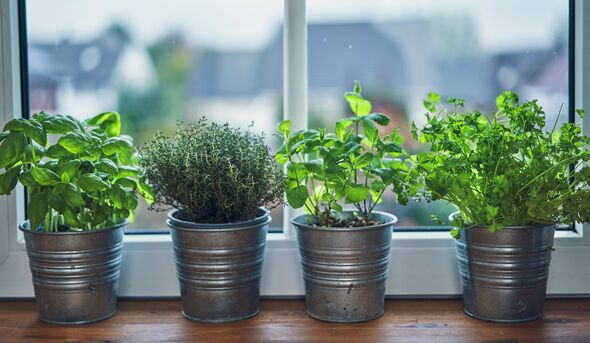
Buy small pots of herbs and keep them indoors for quick cropping (Image: Getty/iStockphoto)Basil
Basil is rich in aromatic oils and antioxidant plant compounds, which is one reason it’s often linked with heart-friendly eating. Its fresh scent can also make lighter meals feel more satisfying. Sow basil now in a heated propagator, covering the seeds very lightly and keeping it warm and bright. Pot on young plants promptly and pinch out the tips to keep them bushy. Use it to make pesto, then spoon it over pasta, roasted vegetables, or a baked potato.
Peppermint
Peppermint is traditionally used after meals, and many people find it soothing for digestion and bloating. Its cooling menthol aroma can feel refreshing when you are run down. Start it now from a small pot plant on a sunny windowsill and keep it in a container to prevent spreading. Pinch the tips often for fresh, leafy regrowth. Chop it into a cucumber and yoghurt raita to serve with spiced traybake chicken.
Parsley
Parsley is a handy way to add vitamin C and protective antioxidants to everyday meals, especially when used generously. It also brings a clean, fresh flavour that helps you cut back on salt. Sow parsley indoors now, keep the compost evenly moist, and be patient because germination can be slow. Harvest by cutting the outer stems first to keep new growth coming. Stir a big handful into a lemony lentil salad with roasted carrots.
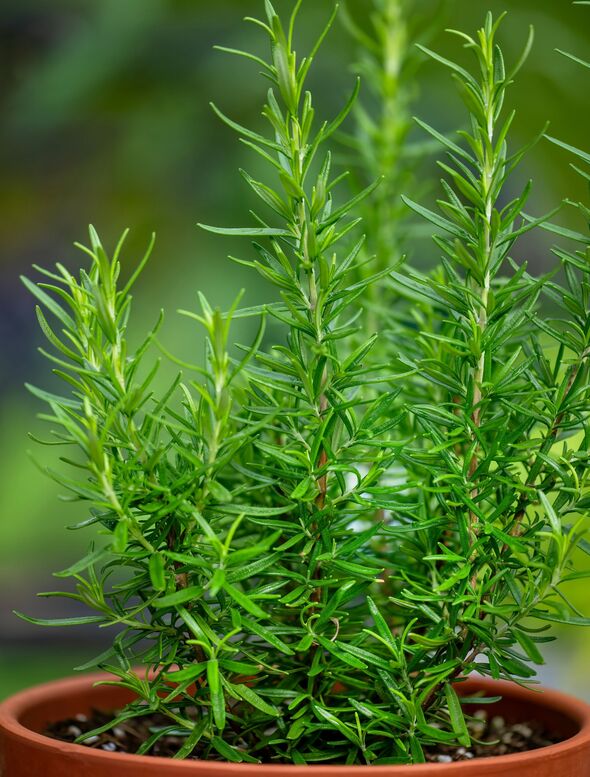
Rosemary is rich in aromatic compounds and antioxidants (Image: Getty)Rosemary
Rosemary is rich in aromatic compounds and antioxidants, and its scent is often described as energising and restorative. It is an easy way to bring bold flavour to meals without heavy sauces. Buy a young plant and grow it on a bright, sheltered windowsill, watering only when the compost has dried slightly. Turn the pot regularly so it stays evenly shaped. Pair it with roasted root veg, then serve alongside grilled salmon.
Oregano
Oregano is rich in aromatic plant compounds and antioxidants, which is why it’s often linked with everyday immune-style support. Its strong flavour can also help you use less salt. For quick results, buy a small plant now and keep it on a bright windowsill. Grow it in free-draining compost, water sparingly, and pinch out the tips so it stays compact and leafy. Use it to finish homemade pizza, stir through tomato pasta sauce, or scatter over roasted Mediterranean vegetables.
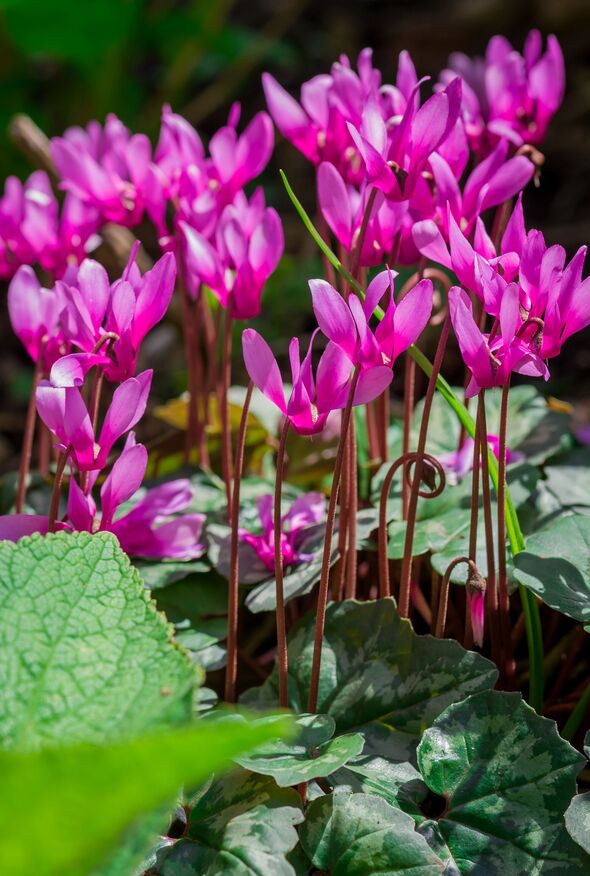
Hardy cyclamen is a real February gift (Image: Getty)Focus Plant – Hardy cyclamen
Hardy cyclamen is a real February gift, because they flower when so much else is still deciding whether winter has truly gone. On mild days, you’ll spot the blooms hovering just above the soil, with petals swept back like little shooting stars. The most reliable February performer is Cyclamen coum, often in shades of pink, magenta, or white, with rounded, sometimes silver-marbled leaves that sit neatly at ground level. It’s a welcome colour lift for shady corners, and an early nectar stop when the first insects begin to stir.
To grow hardy cyclamen well, think woodland edge rather than open border. Choose dappled shade under deciduous shrubs, or a spot that gets winter sun but avoids harsh summer heat. They like humus-rich, moisture-retentive soil that still drains freely, so add leaf mould or garden compost before planting. If your garden is heavy or tends to sit wet, tuck cyclamen into a raised pocket, a sloping bank, or plant through a generous mulch so the tubers never sit in cold water.
February care is simple and light-touch. Remove any tired flowers and yellowing leaves to keep the crown tidy and reduce the chance of rot. Check pots after windy weather, because compost can dry out faster than you expect, but avoid waterlogging at all costs. If you’re planting now, wait for a mild spell, set the tuber at the same level it was in the pot, firm gently, and water in once. Learn more about growing cyclamen in episode 6 of Step-by-Step gardening on my YouTube channel, @daviddomoney.
Fun fact: After flowering, the flower stalk coils up, drawing the seed capsule down close to the soil surface.

Make the most of February rainfall with a water butt – and if you have one, ensure it’s clean (Image: Getty)Top 5 Gardening Jobs
1. If you’ve overwintered pelargoniums indoors, wait until you see fresh growth, then pinch out the soft shoot tips to encourage bushier plants. Give them a bright spot, rotate the pots weekly, and keep watering lightly until growth speeds up.
2. Clean and refill seed feeders in February, as birds rely on extra food in late winter. Empty old seed, scrub with hot soapy water, rinse well, and let everything dry fully before refilling. If you can, shift feeders occasionally to reduce mess and disease build-up below.
3. Tidy strawberry plants on a dry day. Snip out dead leaves and any large, tired foliage lying over the crown, then lift weeds carefully before they get established. Clear away soggy debris that can harbour pests and disease, but avoid digging if the soil is frozen or waterlogged.
4. Make the most of February rainfall. Check your gutters and diverters are feeding the water butt properly, and clear any leaves from the inlet. If your water butt is due for an annual clean, do it now so stores stay fresher. During storms, set out clean buckets to catch extra rain and decant later.
5. Test twine, ties, and clips before spring growth starts pulling. Replace anything brittle, and check tree stakes and ties after winter winds. Tighten loose fixings, but slacken anything that’s starting to bite into bark. A little movement is helpful, so aim for secure support without strangling stems.
Facebook – https://www.facebook.com/DavidDomoneyTV
Instagram – https://www.instagram.com/daviddomoney/
Pinterest – https://www.pinterest.co.uk/daviddomoney/overview/
TikTok – https://www.tiktok.com/@daviddomoney
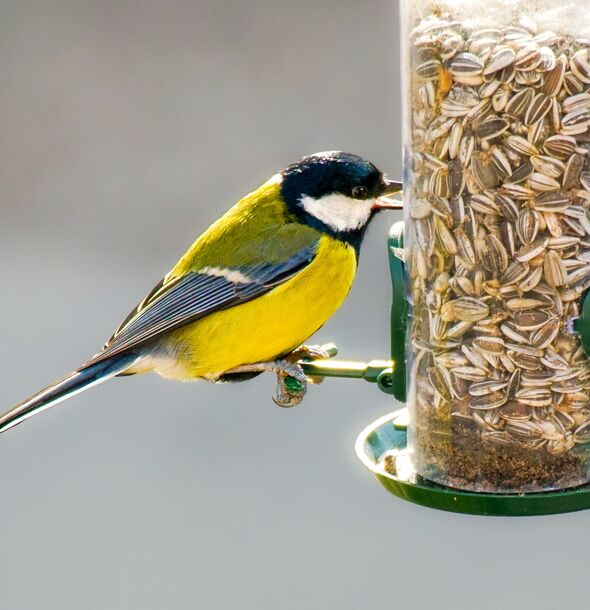
Birds can eat chillies without the burning sensation (Image: Getty)
In the Second World War, Britons reportedly dubbed American military policemen “snowdrops”, linking the nickname to the olive-green uniforms and a white cap or helmet, which especially stood out on street patrols and checkpoints in crowds.
Birds can eat chillies without the same burn people feel, because capsaicin activates TRPV1, a heat-and-pain receptor on nerves. In many birds, TRPV1 responds weakly, so seeds are dispersed without discomfort.
The genus name Iris comes from the Greek for “rainbow”, and also links to Iris, the rainbow messenger-goddess, reflecting colours from white and yellow to deep purple across hundreds of species.
Some houseplants seem to “weep” droplets overnight, often after heavy watering. It’s usually harmless and temporary. That’s guttation, where root pressure pushes water up when the stomata are closed, so sap beads out through leaf-edge pores called hydathodes.
Comments are closed.