
Breadcrumb Trail Links
OpinionColumn
Most gardeners have done it. When they least expect it. Pulling out weeds and a sudden jab of pain on the hands or arms. Like a bee sting.
Published Feb 06, 2026 • Last updated 5 minutes ago • 2 minute read
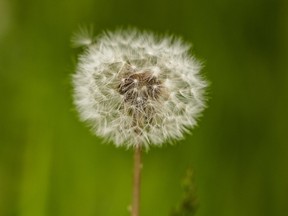 A dandelion goes to seed in the technoparc wetland north of Trudeau Airport in Montreal May 29, 2025. Photo by John Mahoney /Postmedia NetworkArticle content
Most gardeners pulling out weeds have felt it: a sudden jab of pain on the hands or arms, like a bee sting.
Advertisement 2
This advertisement has not loaded yet, but your article continues below.
Article content
The offender is stinging nettle, a perennial weed that resembles no other weed and is not easily identified. The quick solution is a pair of gloves.
Article content
Recommended Videos
Article content
Stinging nettle is a nasty green weed that can grow over one metre tall.
Leaves are rough around the edges, with a pointed tip. The stems and underside of leaves are covered in tiny, almost invisible needles.
If a needle gets under your skin, it injects acids and other chemicals, causing sharp pain. Fortunately, the pain is short lived.
Gardeners who confront stinging nettle will have the urge to rid their garden of every trace of the weed.
But before grabbing a hoe, they should harvest a small bunch, bring it to the kitchen and make a pot of hot tea. Add a few mint leaves for flavour, and drink it up for numerous health benefits including treatment for inflammation, allergies and prostate issues.
Advertisement 3
This advertisement has not loaded yet, but your article continues below.
Article content
A cup of stinging nettle tea is not likely to give you reason to cancel your next doctor appointment, but it certainly will provide a valuable multi-vitamin boost.
If you can’t find stinging nettle in the backyard, try dandelions, the bane of lawn lovers.
All parts of dandelions are edible, nutritious and beneficial for the environment.
Though the dandelions growing in our lawns are not native to Canada, we appreciate them as a food source for pollinators in early spring.
Dandelions’ long tap root improves soil by breaking up compacted soil and adding nutrients.
Purslane, the succulent-like plant that grows rampant in veggie gardens in mid-summer, is packed with nutrients.
Eat purslane raw or cooked. Purslane contains high levels of Omega-3, is a rich antioxidant and aids in inflammatory ailments.
Advertisement 4
This advertisement has not loaded yet, but your article continues below.
Article content
Clover is the plant that lawn lovers love to hate.
On the plus side, clover, a legume, fixes nitrogen, adding nutrients to grass and improving soil texture. Clover grows in poor soil, requires little attention and doesn’t need mowing.
On the negative side, when grass turns yellowish because of drought, clover remains green, giving the lawn an inconsistent patchy look that can be improved only with water.
Next week’s Garden Clippings will deal with the worst weeds that are of little benefit.
Read More

GARDEN CLIPPINGS: Keeping tropical plants from going south

GARDEN CLIPPINGS: Deep freeze will help farmers with pest control
Article content
Share this article in your social network
Comments are closed.