
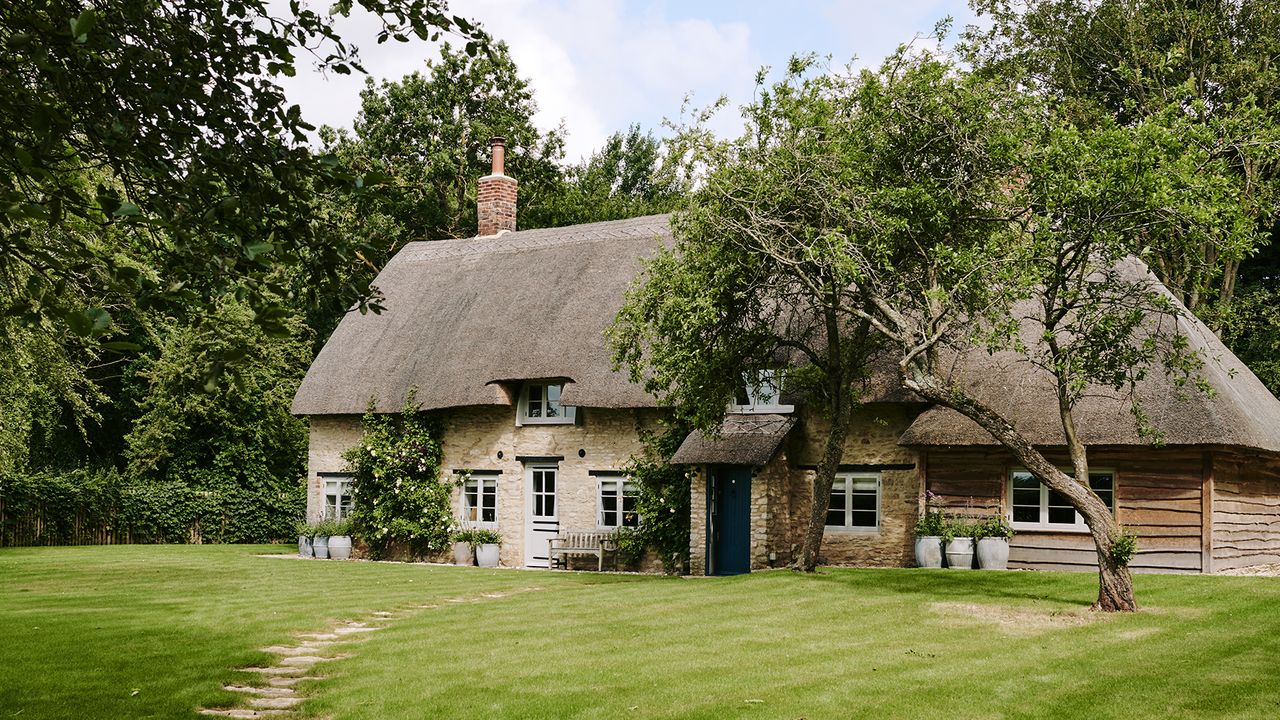
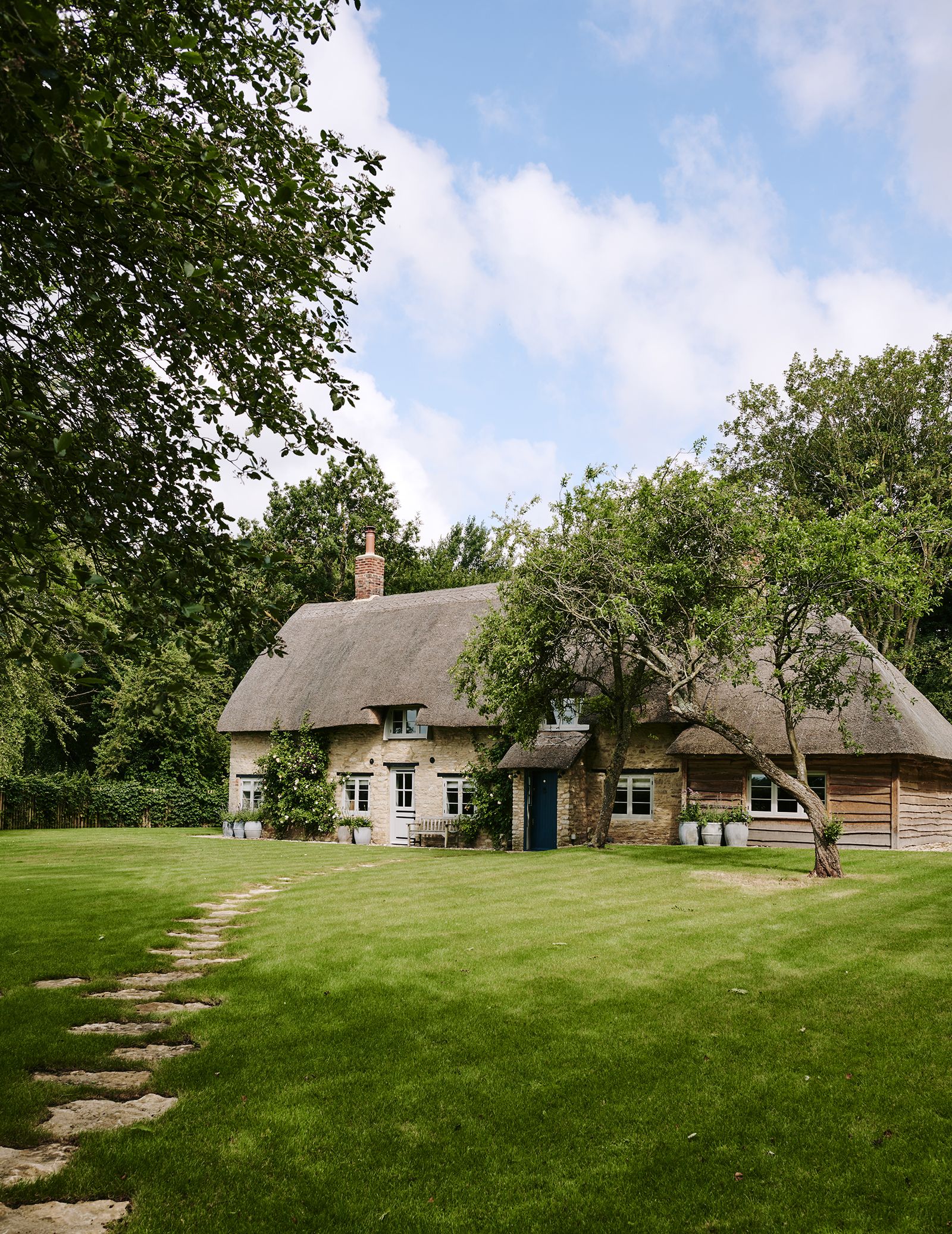
For centuries the quintessential English village has conjured images of thatch, beams, kitchen gardens, rhubarb patches, lead windows, inglenook fireplaces, scratching hens and the smell of rich soil. Invariably, it will be nestled in a bucolic green fold, steeped in history (and gossip) and framed by acres of old stone and climbing roses. There will be a church, a cricket ground, a pub, a post office, a village shop, village hall and a butcher, if you’re lucky. It is forever a reminder of simpler times; a close community growing up against the busy demands of the land.
The chocolate box image of rural village life is as is as pervasive as it is culturally fixed, preserved and impressed on us through the decades in books, films and TV shows. Whether your first impression came through Jane Austen, Beatrix Potter – whose farmyards, hearths and lanes are based on the Lake District’s villages of Near Sawyer, Hawkshead and Derwentwater – Joanna Trollope, or Jilly Cooper and the ravishing lives and landscapes in and around the Gloucestershire Cotswolds’ Chalford and Bisley, the ‘village’ has long been known and loved as an epicentre of domestic and rural life, nature, toil and adventure.
Yet, if reports are to be believed, the archetypal village ideal is under threat. ‘Village life – as in life in a village – is still a vital part of our society and the diversity of life in this country, but the archetypal English village, I’m sorry to say, has become a museum piece,’ says social historian Tom Fort, author of The Village News: The Truth Behind England’s Rural Idyll, who travelled the length and breadth of England on a bicycle to examine changing social forces facing villages. The culprits are familiar if various: growing and aging populations, rising house prices, second home owners pricing out locals, commenter hamlets creating ghost villages, urban migration alongside changes in how we farm, and the death of the High Street and closure of local services.
Comments are closed.