
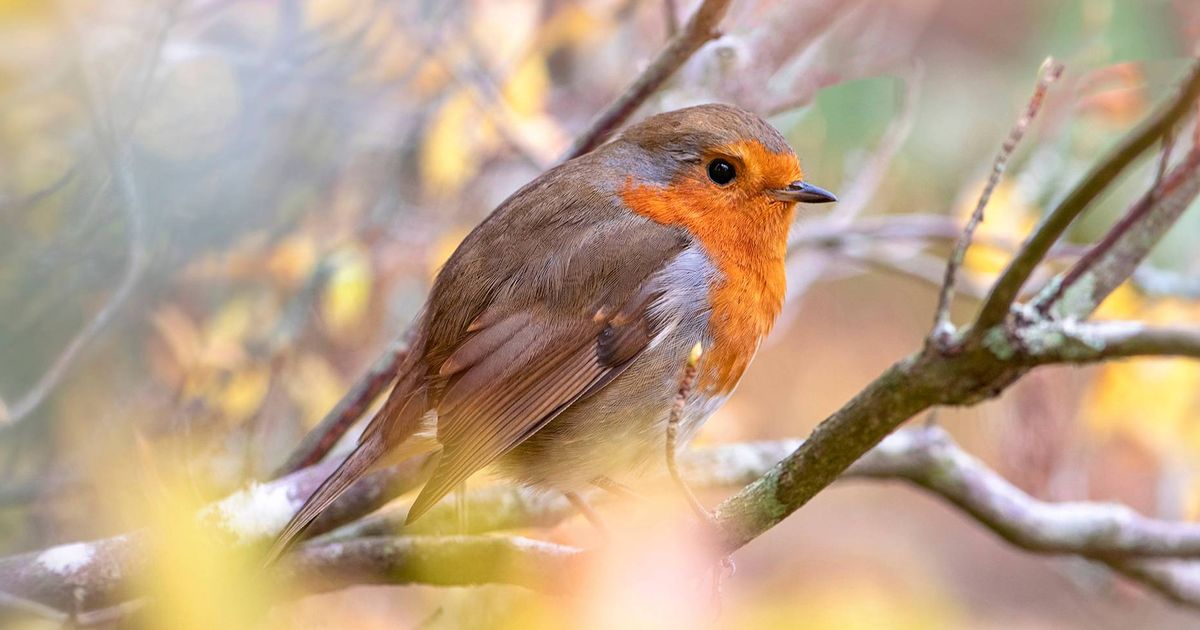
Wildlife experts have issued an urgent warning about feeding robins in February, with a certain type of food posing serious health risks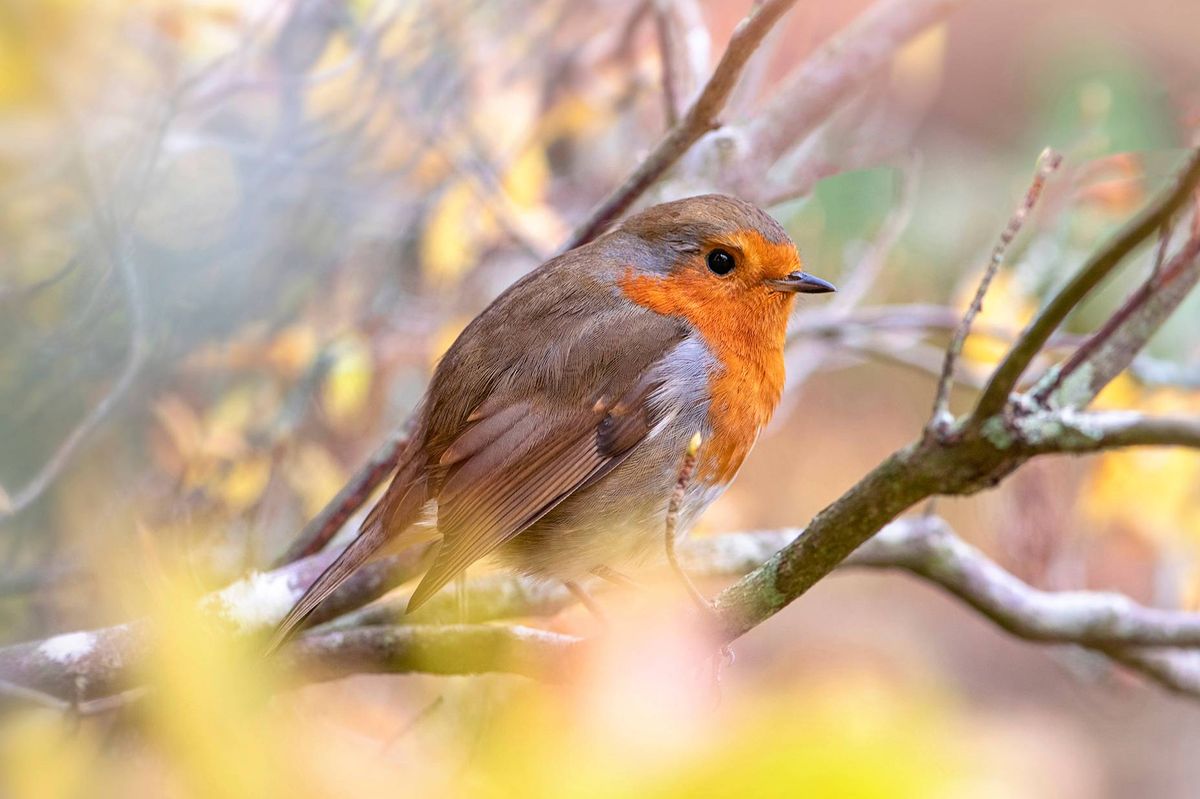
Wildlife experts have issued an urgent warning about feeding robins in February, with a certain type of food posing serious health risks(Image: Jacky Parker Photography via Getty Images)
A warning has been issued to anyone spotting robins in their garden this February. These beloved red-breasted birds are frequently seen around our homes at this time of year as they search for mates with the breeding season drawing near.
Robins don’t hibernate during winter and instead relocate in response to shifting weather conditions and food supplies. With their typical diet of live insects and worms becoming scarcer during the colder months, British households are urged to feed these birds throughout winter.
Robins naturally forage on the ground, so positioning food on ground feeding trays or bird tables proves an ideal approach.
However, it’s essential that gardeners offer them appropriate food sources, as some can prove harmful.
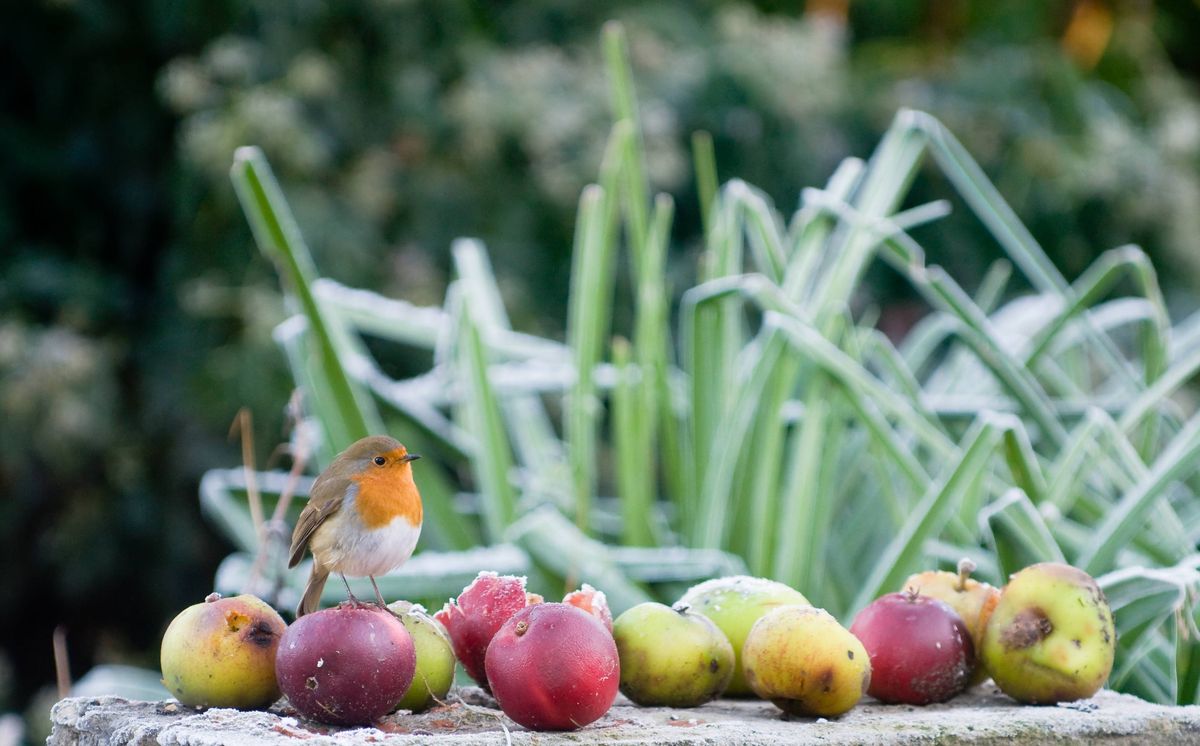
There are certain foods that households should avoid feeding robins(Image: Getty Images)
Experts advise that leaving out bread crusts and other kitchen scraps for robins can spell trouble.
Many people do this without consideration, while clearing plates or attempting to minimise food waste, but wildlife specialists caution that bread fills birds up without providing the nutrients they require, and can rapidly become mouldy when left outside in the cold, reports the Manchester Evening News.
“Bread that is not mouldy can still result in harm for birds. Dry, large chunks of bread can be a choking hazard for birds, even when you think you’ve broken up the bread into small enough pieces,” James Ewens, gardening and wildlife expert at Green Feathers told Ideal Home.
“Bread can also swell in the stomachs of birds, becoming not only uncomfortable, but harmful. Equally, even in bite-size pieces, birds are not accustomed to digesting bread and can experience digestive issues.
“Ultimately, while the occasional piece of bread may not result in harm to the bird, it’s not advisable as it can incur serious consequences for our feathered friends.”
Food scattered on the ground can also become sodden, trampled, and contaminated with droppings, which can facilitate the spread of diseases. The RSPB cautions that maintaining clean feeders and bird baths helps keep garden birds healthy and reduces disease transmission.
The Woodland Trust recommends that superior food choices for robins include:
Mealworms (live or dried), which match what robins look for naturallySuet products for energy in cold weatherRaisins or fruit, ideally soaked first so they are easier to eat, and offered in small amountsSunflower hearts and soft seed mixes, placed where robins feel safe to feedSorry, this content is no longer supported
If you want ideas and inspiration to plan your next UK adventure plus selected offers and competitions, sign up for our 2Chill weekly newsletter here
Comments are closed.