
HighlightsAffordable IoT and automation gadgets simplify urban gardening by enabling smart plant monitoring, automated irrigation, and remote control through mobile apps.Smart farming tech improves plant health and water efficiency, helping home and hobby growers reduce wastage while maintaining optimal growing conditions.From DIY smart gardening to smart hydroponics, small-scale urban gardeners can grow fresh, healthy produce even in limited balcony, terrace, or indoor spaces.
Cities today are rising dramatically, spreading out, and crowding in people much faster than ever before; it goes in a way that often pushes greenery out of the way. Hemmed in by concrete close in all directions, locating lush green spaces is slowly becoming an uncommon delight. However, just when everything seemed like nature was being driven out of urban life, city dwellers have started striking back, one balcony, terrace, and windowsill at a time.
 Image Source: freepik.com
Urban gardening was something people did casually to shrug off stress, and it is now transformed into a full-fledged, tech-powered movement.
From setting up terrace farms and having good indoor hydroponics to stacking plants through vertical gardening, people are exploring impressive ways to bring greenery back into their daily lives. Now, it’s not just about growing plants anymore; it’s about making some room for breathing space, predominantly cutting down grocery bills, and switching over to fresher, healthier food.
Without a shadow of doubt, urban gardeners often run into roadblocks. Hemmed-in space can hold them back, shambolic routines can throw off watering schedules, and unforeseeable weather can mess up plant growth. That’s where smart farming technology jumps in and takes over the heavy lifting.
Affordable Internet of Things (IoT) devices and automation tools are assisting gardeners in all possible ways to keep track of plant health, water them on time, and even sort out environmental changes, all without having to constantly hover over their plants.
In many ways, technology is not shrinking nature; on the contrary, it provides numerous ways to enhance it, helping it grow back stronger, greener, and smarter.
The Rise of Smart Gardening in Urban Spaces
The abstraction of smart farming entails using data-driven technology to observe and regulate plant growth. IoT-enabled gardening tools use sensors and connected devices to gather explicit real-time information about soil moisture, temperature, humidity, light exposure, and nutrient levels. These systems can then automatically or even manually adjust irrigation, lighting, or environmental conditions to maintain optimum plant health.
From the vantage point of urban gardeners, this technology offers a pragmatic solution to common challenges. Many hobby growers often struggle to maintain consistent watering schedules due to unpredictable routines or travel. Overwatering and underwatering are two of the most common causes of plant die-off in home gardens. Smart automation systems eradicate guesswork by watering plants only when needed.
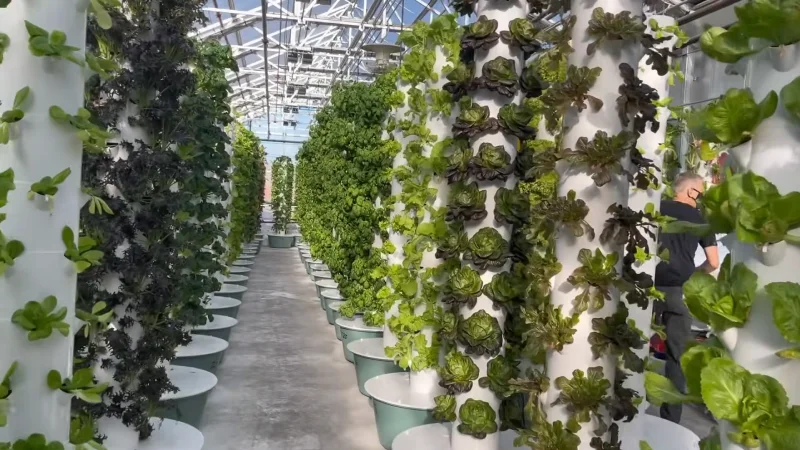 Image Credit: https://www.youtube.com/@Agrotonomy
Additionally, smart gardening takes up this wonderful work to improve sustainability by reducing water wastage and ensuring efficient use of resources. With growing concerns about climate change and water scarcity, such technologies are becoming increasingly relevant in urban households.
Smart Plant Monitoring Systems: The Entry Point
One of the most approachable forms of smart farming technology for hobby gardeners is the smart plant monitoring system. These devices have been meticulously devised to monitor the plant in every conceivable way. It usually includes sensors that calculate soil moisture, temperature, and humidity. Once the data is gathered, it is transferred to a smartphone app, allowing gardeners to track plant health remotely.
Affordable plant management kits are widely recognizable and easy to download. Some progressive versions can stir up automatic watering systems when soil moisture levels plummet drastically below a certain threshold. This makes sure plants receive the right amount of water without manual intervention.
These types of systems are remarkably beneficial for indoor plants, herb gardens, and small balcony setups. They give real-time alerts, helping users act more rapidly to environmental changes. For beginners, these gadgets serve as an introduction to data-driven gardening while remaining cost-effective and user-friendly.
Automated Irrigation: Saving Time and Water
Automated irrigation systems rank among the most widely used smart gardening solutions. These systems harness sophisticated sensors and programmable controllers to maintain and regulate water supply based on plant requirements rather than fixed schedules.
Drip irrigation amalgamated with IoT controllers is particularly effective for terrace gardens and container farming. The combined system delivers water directly to plant roots, reducing evaporation and water loss. Smart irrigation controllers can be programmed through mobile apps, lets users to adjust watering schedules or activate pumps remotely.
Some high-level irrigation solutions even implement tank water level sensors and weather monitoring capabilities. These systems can thwart water overflow, neutralize watering during cooler hours, and adapt irrigation patterns during rainfall. For urban growers managing rooftop gardens or small greenhouse setups, such automation significantly reduces labor and resource consumption.
DIY Smart Gardening: Affordable and Customizable
For smart technology enthusiasts and hobby makers, the arithmetic paradigm (DIY) smart gardening constructions offer a financially accessible alternative to commercial products. Using microcontrollers such as Arduino or ESP32, gardeners can build customized automation systems curated to their specific needs.
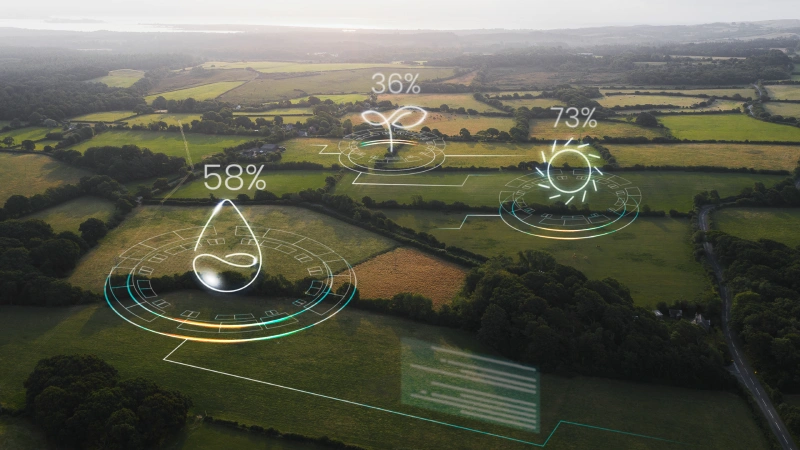 Image Source: freepik.com
A basic DIY smart garden setup for beginners may encompass a soil moisture sensor, temperature and humidity sensor, water pump, relay module, and Wi-Fi-enabled microcontroller. These components can be combined to monitor and manage environmental conditions, and they can bring the potential to activate irrigation when needed.
DIY smart gardening systems are popular in educational and hobbyist societies because they foster experimentation and learning. Users can build and expand their systems by adding light sensors, nutrient monitors, or solar power modules. While DIY setups require basic technical knowledge, they offer unmatched flexibility and cost savings.
Smart Hydroponics and Indoor Growing Systems
Hydroponics, the methodical way of growing plants without soil using nutrient-rich water solutions, has already been recognised as one of the most effective ways of growing plants in urban environments. Smart hydroponic systems take this framework further by incorporating automation and IoT-based monitoring.
Modern indoor hydroponic kits come with LED grow lights, automated nutrient dosing, water circulation systems, and environmental sensors. These systems are specially designed to embrace the concept of compactness. It can fit inside apartments, making them ideal for growing herbs, leafy greens, and microgreens throughout the year.
Some advanced hydroponic systems are integrated with artificial intelligence to monitor plant growth using cameras and predictive algorithms. These systems can automatically adjust lighting intensity, nutrient levels, and irrigation schedules. Though the premium models can be expensive, entry-level hydroponic kits are becoming increasingly affordable, making them accessible to hobby growers.
Benefits for Urban Hobby Growers
Smart farming technology offers several advantages for home gardeners:
Reduced manual effort: Automation of the process often involves routine tasks such as watering and monitoring.
Improved plant health: Data stored in the system enables unobstructed decisions to ensure optimal growing conditions.
Water efficiency: Smart irrigation curtails water wastage.
Remote monitoring: The smart system mobile apps offer gardeners the ability to track plant health from anywhere.
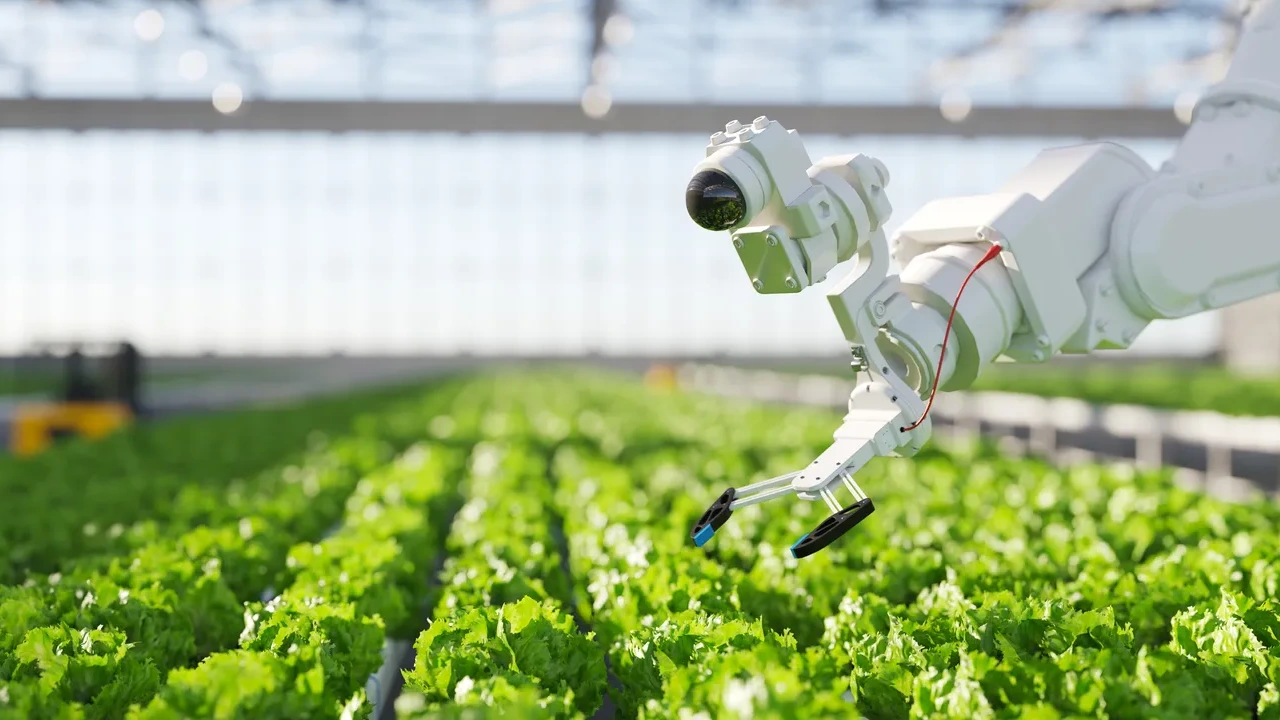 Smart Farming Robots Image Credits: knowhow.distrelec
Scalability: The data-driven system can be expanded as gardening needs grow.
These benefits make smart gardening particularly attractive for urban dwellers, balancing busy schedules with sustainable living goals.
Conclusion
In the end, smart gardening exhibits that technology doesn’t really have to push nature aside; it can actually bring it back to life. By harnessing affordable IoT devices and automated tools, urban denizens can grow thriving green spaces even in the squeezing corners of the city, all while conserving resources and cutting down on guesswork.
From having simple soil sensors to utilizing the fully automated hydroponic setups, these innovations are helping people reengage with nature, put garden produce on their tables, and transform small balconies and terraces into self-sustaining, intelligent gardens.
As cities continue to rise and space grows scarce, smart gardening is not just a labelled hobby; it’s a quiet revolution that people jointly take to prove we can use technology to bring greenery back into our lives, one plant at a time.
Comments are closed.