
What to do in your garden this week.
Vegetables
There is a good case for mixing vegetables with flowers to get the best production from gardens, especially those that lose the sun early. This is particularly true for south-facing properties or gardens overshadowed by high trees.
By now, planting of winter greens broccoli, cauliflowers, silverbeet and celery should be complete.
Celery needs regular and plentiful watering at this stage to stop it running to seed. Adding liquid manure helps promote lush growth because animal manure has high levels of nitrogen.
In cool areas, turnips and fast-maturing varieties of carrot (usually called early on seed packets) can still be sown in rich soil kept well-watered. Ladies Finger, Baby, Parmex and Paris Market are suitable for late crops.
Chives can be substituted for spring onions and make a useful border in a vegetable or flower plot. Clumps can be divided and replanted in autumn and early spring. Space them 25cm apart and water regularly to encourage new, tender growth. Once established, cut foliage regularly to encourage new growth.
Cabbage seed can be sown now for spring crops. Flower of Spring is a reliable, pointed-head variety.
Flowers
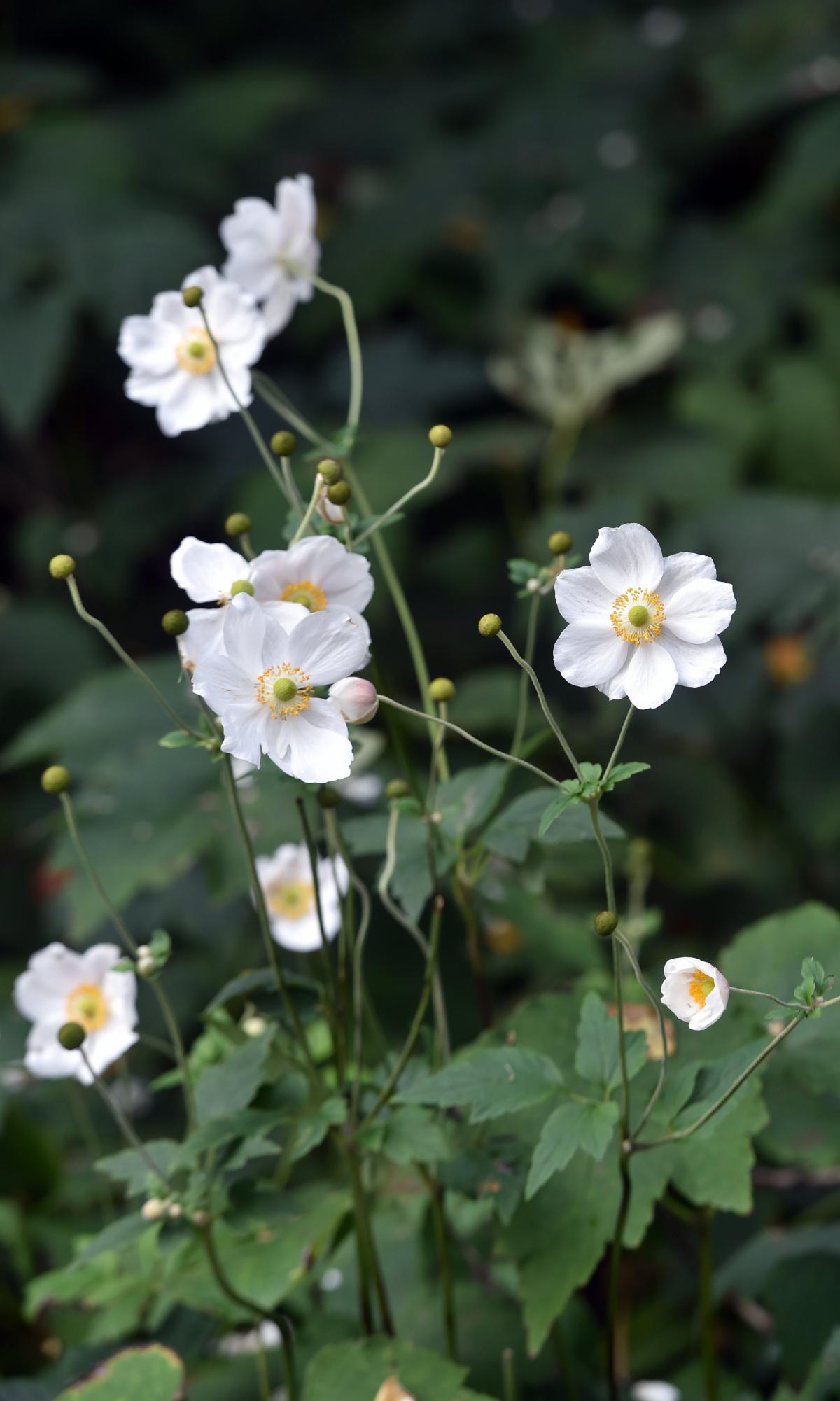
Although ranunculus and anemone are usually grown by buying claws and corms, they can be raised from seed. Seed sown now will give reasonabl-sized plants before winter stops all growth. Anemones usually take seven months or more to flower from seed sowing. Choose a sunny, sheltered position with rich soil. Sow the woolly seed in shallow drills or broadcast them. To separate the seeds, rub them through the hands with some fine river sand. Water thoroughly as seedlings appear. Thin to 10cm and transplant those removed to another bed or use to fill gaps.
Polyanthus seed sown now will produce strong plants next spring. Sow thinly in a large container with good drainage. Cover with a light dressing of fine soil. Half-immerse the pot in water until moisture has soaked up to the surface, then cover with glass or plastic to prevent evaporation. Place in a cool place and keep moist. When the seedlings have five or six leaves, transplant them into other containers until large enough to put in open ground.
Primulas and auriculas require similar treatment. Auriculas can be lifted now, broken up and replanted in soil enriched with compost and bone meal. Plant firmly and deeply, covering the fleshy rhizomes. Flowers such as begonias, grown in pots in the glasshouse, should be watered regularly to prevent them drying out. A fortnightly dose of liquid manure also helps.
Fruit
Strawberry runners can be planted as soon as they form roots. Cut them off close to the new plant, water well and plant with the crown level with the soil. The ground for strawberries needs to be well-manured. As they grow, plants may need to be pressed back into the soil. Do not compost clippings of strawberries.
Snip off any discoloured tomato leaves and nip out young shoots growing at leaf junctions, as these shade the fruit and take energy from it.
Comments are closed.