
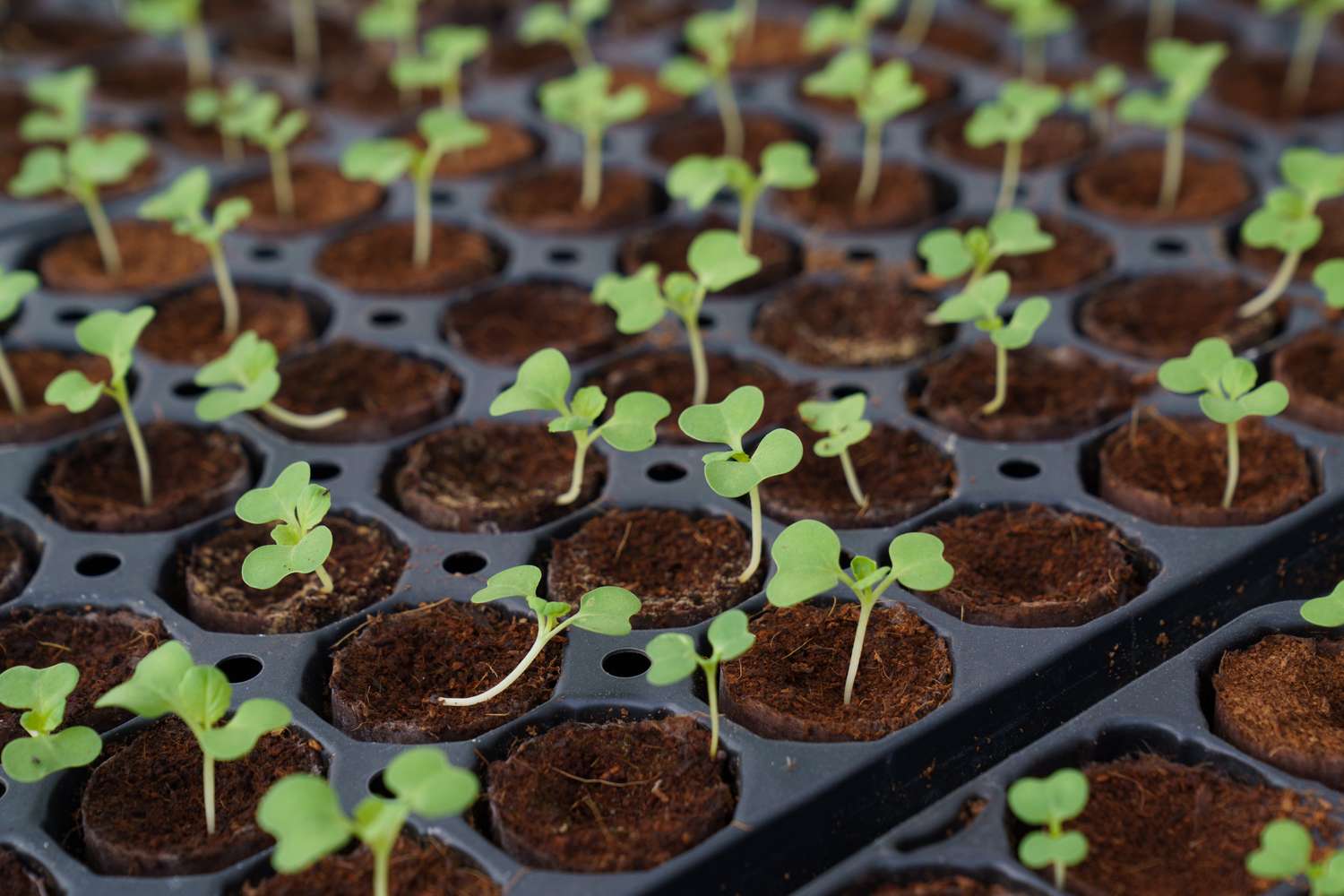
Winter may be doing its best to spread ice, snow, and frigid temps across the country, but there’s still plenty you can do indoors to help prepare your garden for spring.
Believe it or not, February is the perfect time to start certain seeds so they’ll be ready to plant in the ground when temperatures warm. Here, we spoke to experts about a few of their favorites.
Teri Speight, landscape gardener, garden coach, podcast host, and co-author of “The Urban Garden”
Angela Judd, certified master gardener, author of “How to Grow Your Own Food,” and founder of Growing in the Garden
Peppers
Experts agree: peppers are an ideal choice for starting early indoors.
“Using a heat mat, I sow these inside in early February so I can have strong—but not leggy—seedlings for the proper planting time,” says gardening coach Teri Speight.
Master gardener Angela Judd also recommends a heat mat, noting that peppers can take longer to germinate and grow. “February is a great time to get them going indoors,” she adds.
Tomatoes
Tomatoes are another top choice for early indoor planting. Their propensity for hot summer weather means they benefit from getting an indoor head start.
“Start tomatoes indoors in February so you have good-sized transplants ready to go when nights warm up,” says Judd. “Pot them up once if needed so they don’t get rootbound before planting out.”
Dwarf Eggplants
Like tomatoes and peppers, eggplant is a member of the nightshade family, and benefits from an early start to the growing season.
“These have a slow germination rate,” says Speight. “I plan plenty of time to sow at least two times in case the germination is minimal.”
Tomatillos
While perhaps not as widely grown as the ubiquitous tomato, tomatillos are another great option.
“They’re a fun one to start indoors,” says Judd. “They grow fast once they take off. Plan to have at least two plants for good fruit set.” She notes that, like tomatoes, you can plant them deeply.
Herbs
It can also be wise to get a head start on any herbs you wish to grow from seed, as the growing process can take time. Consider getting an early start on basil, mint, lavender, parsley, and thyme. You can also start chives from seed indoors.
Snapdragons
A garden bed filled with snapdragons in full bloom is truly a sight to behold. Starting them from seed indoors will help them reach this blooming stage faster than if the seeds were planted directly in the ground, so why not give them a head start?
Brassicas
Cool-season crops like those in the brassica family (think cabbage, cauliflower, broccoli) can also benefit from being started indoors, as it helps them reach maturity before the intensity of summer heat fully sets in.
When the time comes to transplant your seedlings outdoors, take care. Brassicas can be a little fussy.
Comments are closed.