
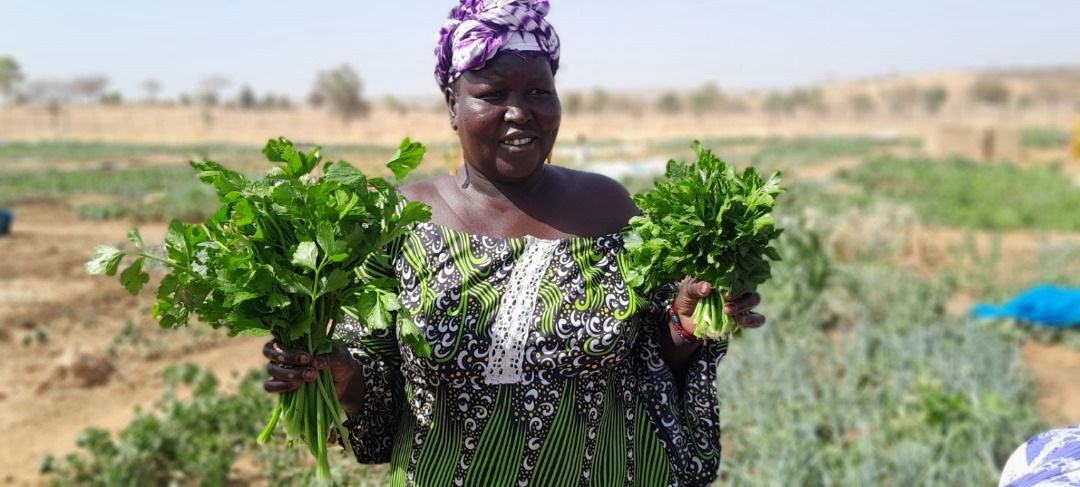
In three Sahelian countries, the SANC2S project reaches more than 147,000 people across 11 pilot market gardens run by mainly rural women’s groups. It demonstrates that a well-designed community-based agroecological approach can generate environmental, economic, and climate impacts simultaneously. In the Sahel, ecological transition is literally being cultivated, plot by plot.
By Emmanuel Diabouga, Regional Environmental Advisor to the SANC2S Project
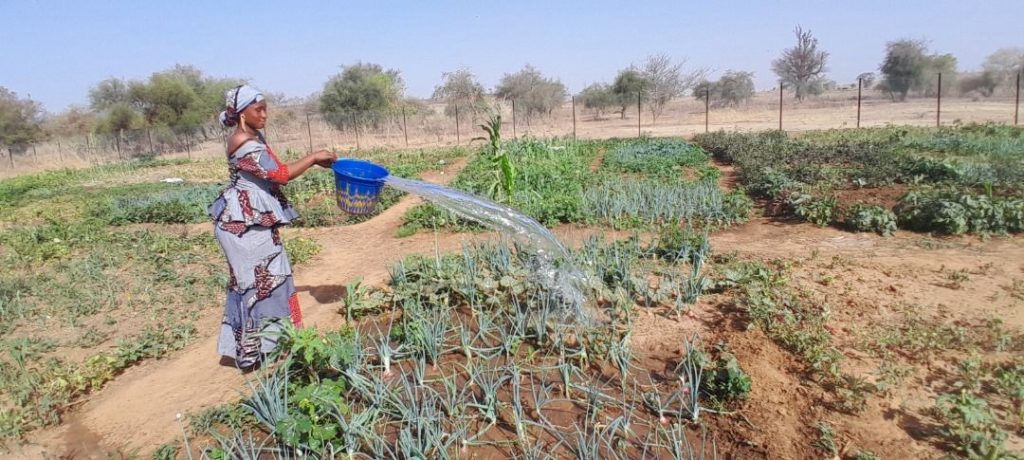
In a Sahel region facing water scarcity, soil erosion and increasing social vulnerabilities, the Food and nutritional security and climate change in the Sahel (SANC2S) project stands out as a concrete example of territorial transformation. A regional initiative implemented by Development and Peace – Caritas Canada’s parters, it supports thousands of women and young people in Burkina Faso, Mali and Niger in establishing more resilient production systems.
Sites transformed by structural support
Before the SANC2S project, women in the villages it supported often had to walk several kilometers to access water, which limited their productive capacity. The lands they cultivated shared the characteristics of being exposed to wind and water erosion; lacking water sources suitable for market gardening; sparse vegetation; and the depletion of agricultural quality by decades of extensive exploitation.
The project works have radically transformed these areas. Several infrastructure elements have laid the foundations for the sustainable and controlled use of the sites. Each site now has:
A borehole with a solar pumping system that ensure reliable, environmentally friendly water supplyStorage tanks to ensure the perennity of water supplyFencing to protect the perimeter from uncontrolled livestock movementIndividual plots of land allocated to womenMeasurable positive environmental impacts
The significant biophysical benefits include:
The reduction of fossil fuel dependencies, greenhouse gas emissions and production costs by using solar energy to pump waterThe creation of veritable islands of greenery in heavily degraded landscapes by the regeneration of vegetation in fenced-in areasThe enrichment of local biodiversity and the improvement of soil structure brought about by the diversification of market garden crops the regular input of organic matterThe limiting of losses and the the risk of salination through controlled irrigation that allows for rational water resource managementThe gradual recharging of groundwater by storage basins that also turn the vegetable-growing areas into ecological refuges during dry periods and make local ecosystems more resilient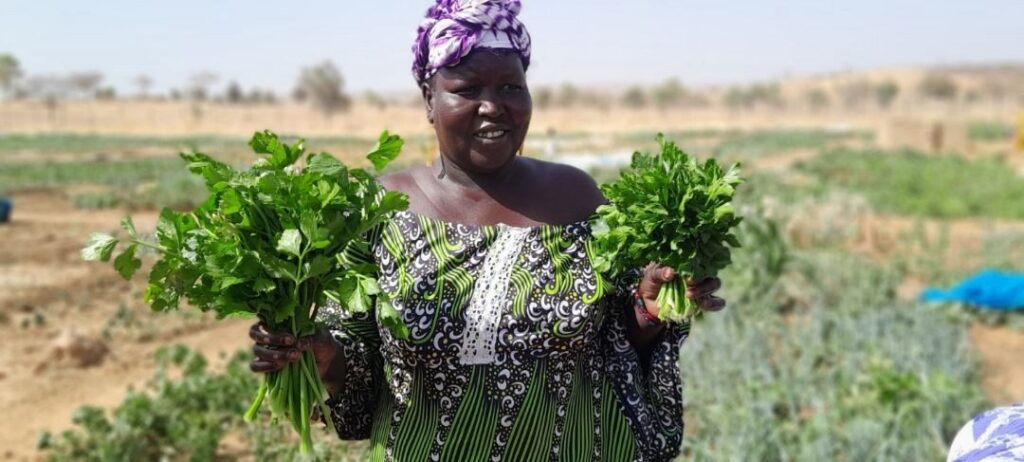 Women’s empowerment at the heart of transformation
Beyond their environmental benefits, market gardening areas are a powerful lever for the economic empowerment of women. Secure access to land and water enables them to generate a regular income by producing and selling fresh vegetables. This financial autonomy translates into improved living conditions for women and their families through the coverage of expenses for children’s health and education, the accumulation of savings, and the increased participation of women in community decision-making.
The training provided through the project strengthens women’s technical skills in water management, agroecological practices and collective organization. This knowledge circulates within villages supported by the project, creating a lasting learning effect and a gradual change in social relations.
Enhanced climate resilience and food security
In a context of irregular rainfall and longer lean periods, market gardening areas directly respond to climate change. Market gardening ensures continuous food availability during the dry season and reduces dependence on external food markets. Crop diversification improves the nutritional quality of diets, particularly for children and women, who are especially vulnerable to deficiencies.
 An inspiring example
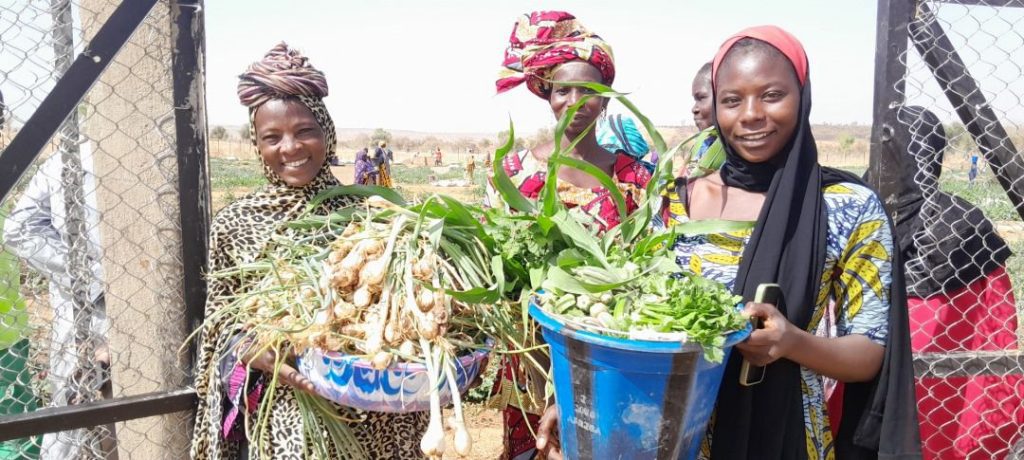
The achievements of the SANC2S project illustrate an approach to development that integrates low-impact infrastructure, clean technologies, community governance, and the economic empowerment of women.
These farming areas are not just gardens, but laboratories of true territorial resilience, that demonstrate the possibility of reconciling agricultural production, ecological restoration and social justice.
In a Sahel region facing systemic challenges, the project shows that the fight against climate change requires, above all, investment in rural areas and in the women who bring them to life. Here, ecological transition is being built square metre by square metre by women who have become agents of change.
Comments are closed.