
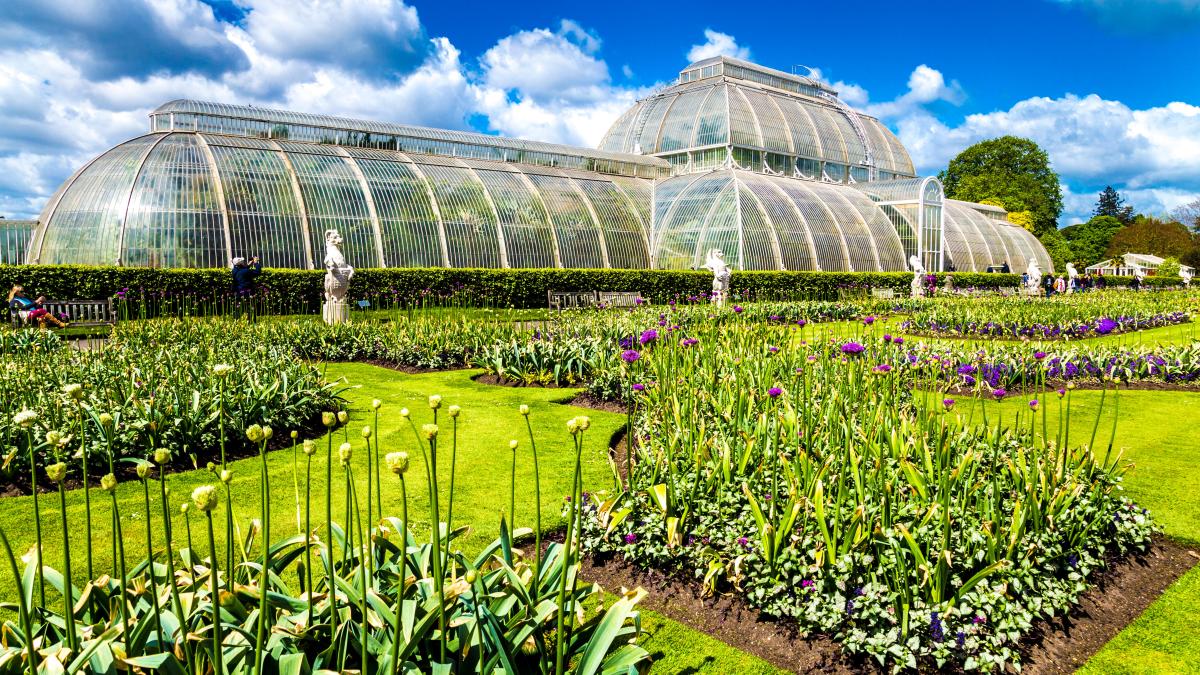
The rusting Palm House and leaking Waterlily House at Kew Gardens are set to become the first net-zero heritage glasshouses in the world after a £60 million renovation due to begin in the spring.
More than 1,300 rare tropical plants will have to be moved to temporary structures before the painstaking work to replace 16,500 glass panes and add a new irrigation system.
The world heritage site was granted planning permission on Monday, having received approval from Unesco and Historic England to update the listed early Victorian structures.
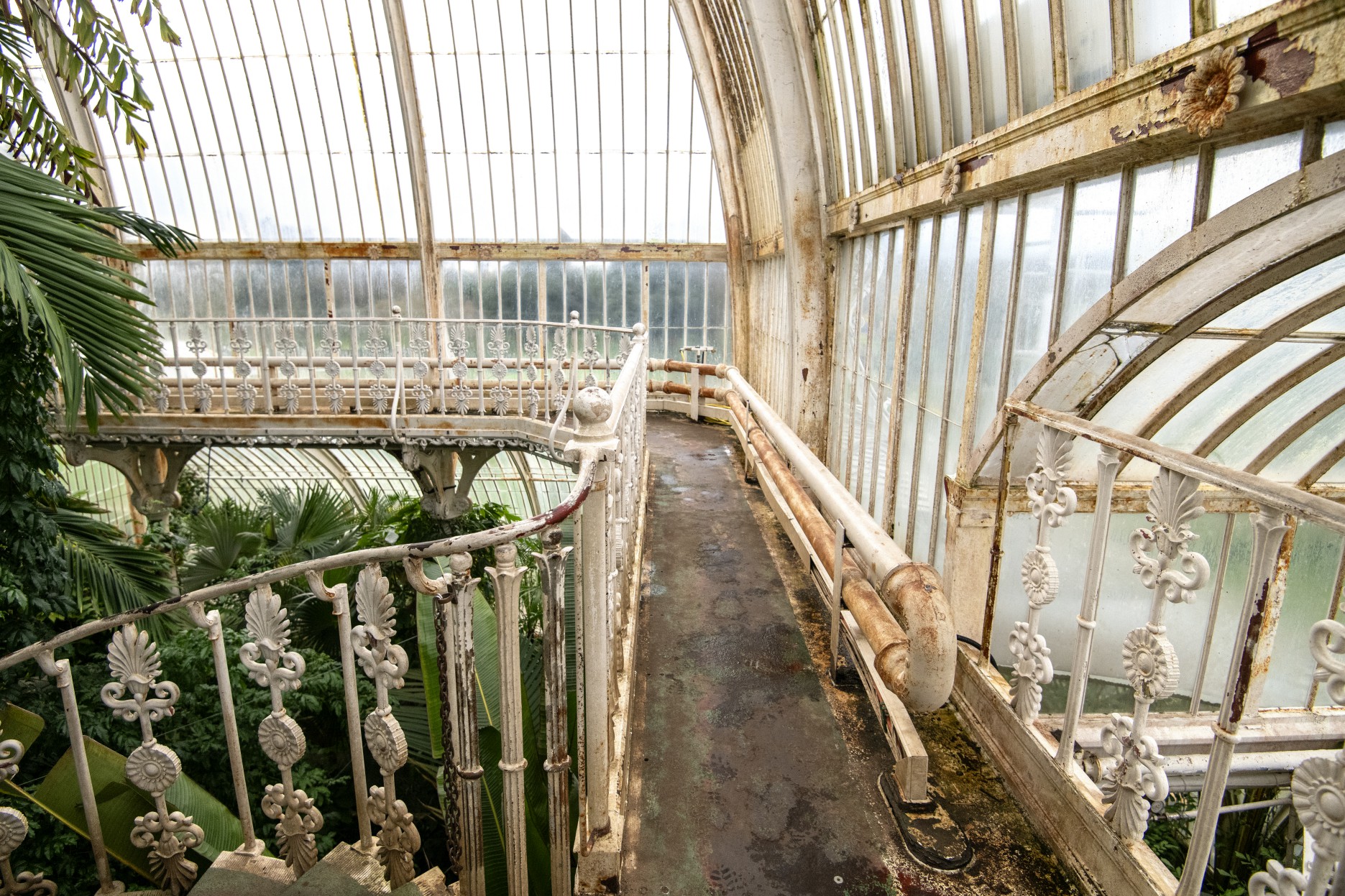
The heat and humidity have led to extensive rust in the Palm House
JEFF EDEN/ROYAL BOTANIC GARDENS KEW
Bosses described it as “validation” for all the work that had gone into the designs and “a moment in time” for the glasshouses.
Tom Pickering, head of glasshouse collections, said: “Those buildings have always been buildings that are pushing the boundaries in terms of engineering. So it’s nice to think that these projects are still pushing boundaries with technology.”
The Palm House was the biggest glasshouse in the world when it was built between 1844 and 1848 using what at the time were cutting-edge techniques borrowed from the shipbuilding industry. The smaller Waterlily House opened in 1852 to house giant water lilies, some reaching over three metres in diameter.
Last year, the glasshouses helped to attract more than 2.7 million visitors to Kew Gardens in southwest London and its sister site at Wakehurst in West Sussex.

Plans for the adjacent hothouses include restoring the original garden layout
The Palm House is 110 metres long and single-glazed. Its interior temperature is kept above 18C by an ancient gas-fired boiler and leaky pipework, and vents open to let heat out once the thermometer reaches 28C. It is a huge carbon emitter and the ironwork has begun to corrode.
Reuben Briggs, head of Kew capital programmes, said: “It is a very aggressive environment in there for the ironworks. You’ve got high temperatures, humidity, and over time that eats away at the paintwork and starts corroding the metalwork.”
The Waterlily House is in a worse condition, he said. “It’s quite bad, the ironwork is quite corroded, we also think that the building is settling or subsiding to one side so the frame is slightly racked so we need to get down into the foundations to understand that.”
Pickering said the ventilation systems had seized up and the pond was no longer watertight, making it hard to regulate the water level and temperature.
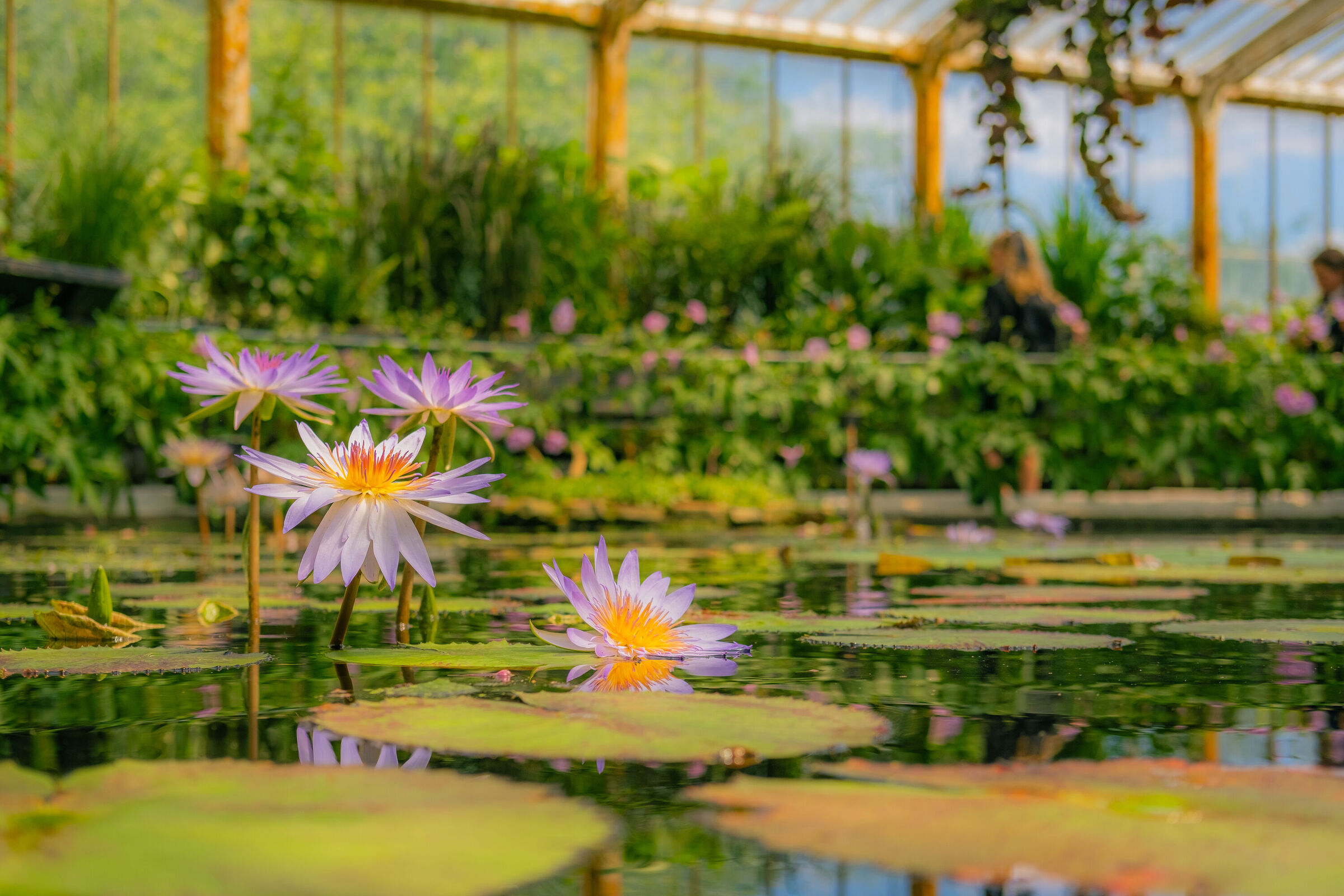
The pond is leaking in the Waterlily House at Kew Gardens
SEBASTIAN KETTLEY/ROYAL BOTANIC GARDENS KEW
The new designs feature high-performance sealed glazing and bespoke silicone gaskets to reduce heat loss. The plants will be protected by fully electrified air and water source heat pump systems, maximised rainwater storage and an upgraded irrigation system.
The interior of the Palm House will have greater accessibility and more places for people to sit, while maintaining the impression of walking into a rainforest.
Outside, Sir William Nesfield’s ornamental garden layout will be restored, while the glasshouse’s ironwork will be finished with a high-tech waterproof paint in the same shade of white used when it opened in 1848.

A CGI image of the Waterlily House as it will look after its eco-friendly upgrade
Briggs hopes scaffolding will go up on the Waterlily House next month and work will start in April. He said the work was not only “essential” but also an important “learning curve” before work on the larger Palm House next year.
The smaller structure will be closed for about a year while engineers replace all its 1980s glass and sand all its ironwork to remove paint and decay.
Briggs said that once the iron had been stripped, repainting had to take place within five or six hours before it started to rust again.
Horticulturalists have already started the process of removing the 1,300 plants from the bigger Palm House into purpose-built facilities. The collection includes 45 plant species on the verge of extinction. Some can be dug up and placed in containers for relocation while others will be subject to a delicate process of propagating new growths from cuttings and roots.
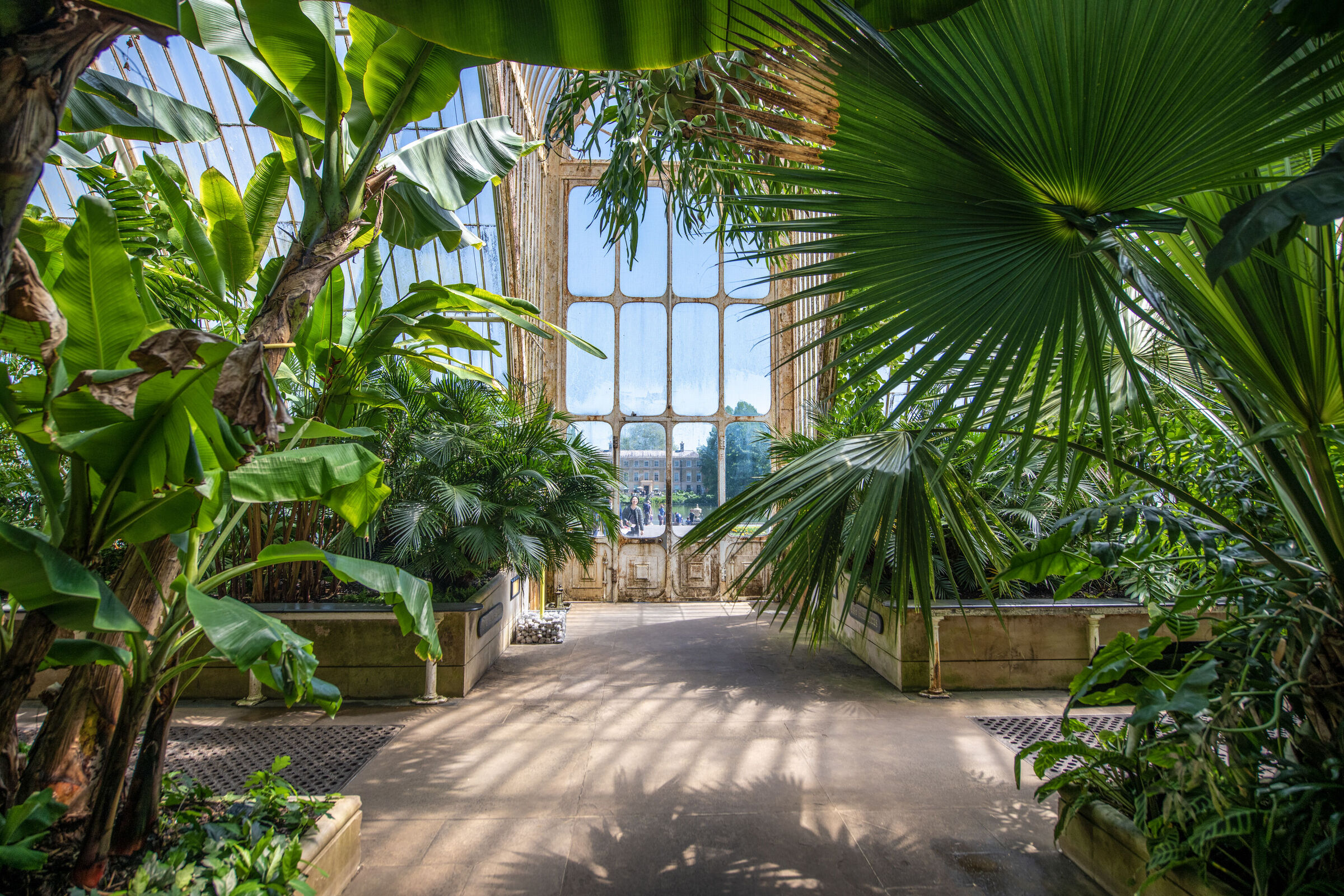
Inside the Palm House in spring 2023
ROYAL BOTANIC GARDENS KEW
Kew has raised a third of the total funds needed from grants and private and public fundraising.
Although Briggs said he was “confident” in their fundraising efforts, he admitted: “It is a challenge, it is a huge amount of money to raise.”
Once funding is secured, work on the Palm House is expected to take five years.
The grade I listed Temperate House, which is even bigger, reopened in 2018 after a five-year refit costing £41 million.
Comments are closed.