
When you’re scooping out the fireplace, save the ashes for your garden. Wood ash contains many nutrients that are useful for fertilizing plants, especially calcium, potassium (potash), magnesium, and phosphorus. In fact, wood ash contains so much calcium that it will neutralize or “sweeten” acidic soil by raising the pH.
You can spread a thin layer of ash over vegetable beds, flower beds, or even your lawn, much like you would lime. Many flowers and shrubs can benefit from wood ash, but you shouldn’t spread it around acid-loving plants like blueberries, azaleas, rhododendrons, and hollies. Don’t apply wood ash to a potato patch, either, as it will make a potato scab infestation more likely. Always use pure, uncontaminated wood ash and test your soil pH before adding.
Here are seven plants that thrive when you add wood ash to your garden.
How To Use Wood Ash In The Garden
Wood ash contains as much as 20 percent calcium and acts to increase the pH of your soil. Because wood ash is about half as concentrated as pelletized lime or aglime, you’ll need to use more. According to the University of Wisconsin-Madison, 4 cups of wood ash is equivalent to 1 pound of lime. Spread the ash evenly on a day that isn’t windy, and moisten the ash before working it into the soil.
Asparagus
Credit:
David Q. Cavagnaro / Getty Images
Botanical Name: Asparagus officinalisSun Exposure: FullSoil Type: Well-drained but moistSoil pH: Neutral (6.5-7.0)
Asparagus is a long-lived perennial vegetable, but it does not tolerate acidic soil. If that describes your garden, you can use wood ash to bring the soil in an asparagus bed closer to neutral. Asparagus also thrives when fertilized with potassium and phosphorus, and wood ash contains both. Adding organic matter and sand to improve drainage also benefits asparagus.
Tomatoes
Credit:
Getty Images
Botanical Name: Solanum lycopersicumSun Exposure: FullSoil Type: Well-drained but moistSoil pH: Slightly acidic, neutral (5.5-7.0)
If you have acidic soil, you can sprinkle wood ash around your tomatoes to fertilize them. The boost of calcium helps to prevent blossom-end rot, a perennial problem in tomato gardens.
French Hydrangeas
Credit:
Paul Fuller / Getty Images
Botanical Name: Hydrangea macrophyllaSun Exposure: Partial, filteredSoil Type: Well-drained but moistSoil pH: Acidic to alkaline (5.0-8.0)
Many Southerners go to great lengths to turn French hydrangeas blue, but there are those who prefer them pink. Wood ash will help you turn blue hydrangeas to purple or pink by neutralizing the soil. Sprinkle a few handfuls of wood ashes around your hydrangea in early spring and water it in. Test the pH of your soil in the fall to see if you should reapply.
Broccoli And Cauliflower
Credit: Barbara Rich / Getty Images
Botanical Name: Brassica oleracea Sun Exposure: FullSoil Type: Well-drained but moistSoil pH: Slightly acidic, neutral (6.0-7.0)
Like many crops in the cabbage family, broccoli and cauliflower prefer neutral or slightly acidic soil. The calcium and trace nutrients in wood ash can help give these plants a boost.
Cabbage, Collards, And Kale
Credit: Douglas Sacha / Getty Images
Botanical Name: Brassica oleraceaSun Exposure: FullSoil Type: Well-drained but moistSoil pH: Slightly acidic, neutral (6.0-7.5)
Cabbage, collards, and kale also thrive in neutral soil. In fact, all members of the cabbage family can be stunted by clubroot, which is more likely to infect roots in acidic soil. Using wood ash to raise the pH can help reduce the likelihood of this disease.
Roses
Credit:
Southern Living Plant Collection
Botanical Name: RosaSun Exposure: FullSoil Type: Well-drained but moistSoil pH: Slightly acidic (6.0-6.5)
You can use wood ash to fertilize roses planted in acidic soil (stick with a commercial rose fertilizer if your soil is neutral or alkaline). Roses particularly appreciate an extra boost of phosphorus while blooming, while potassium helps promote a rose bush’s health.
Flower Bulbs
Credit: Art Meripol
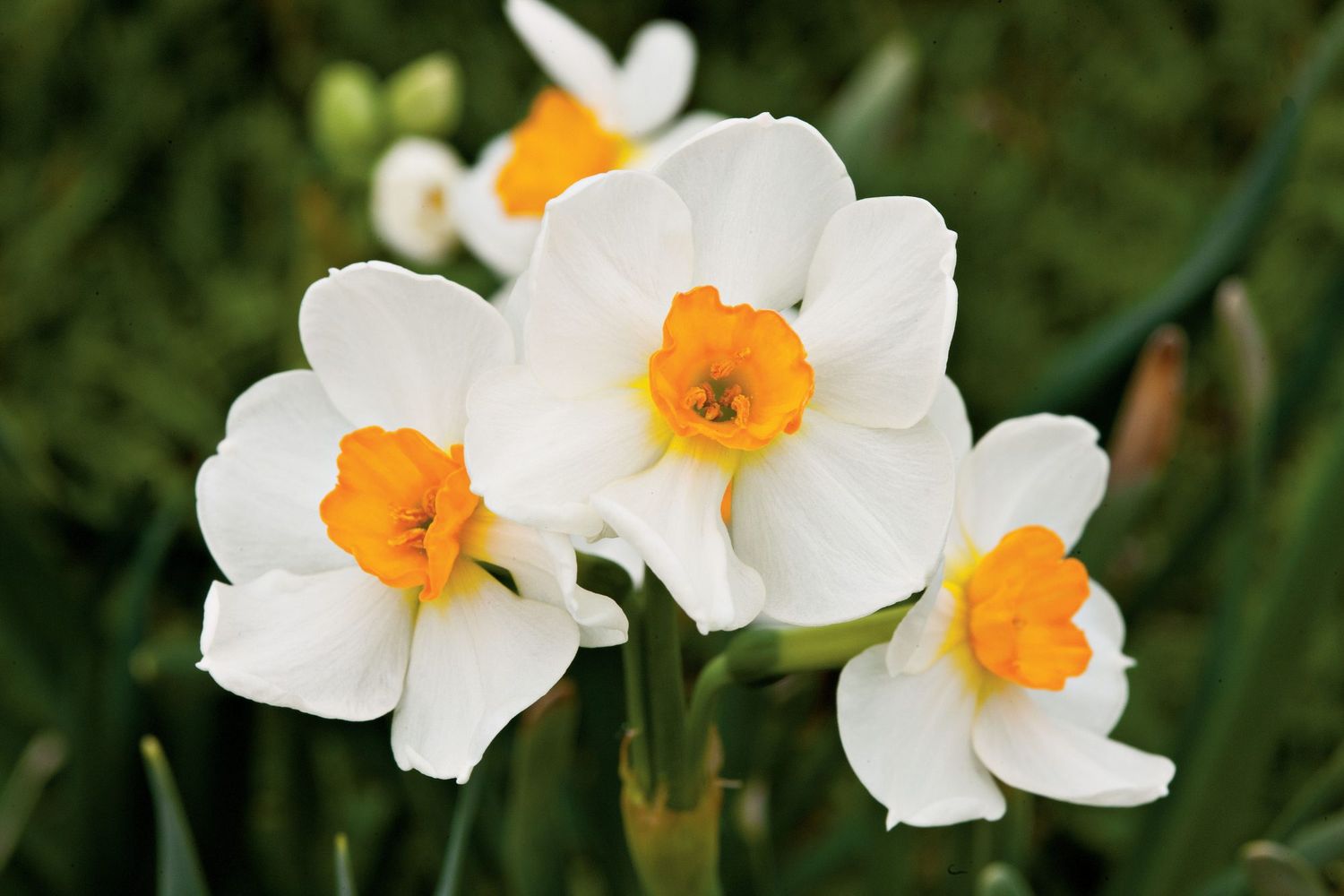
Phosphorus and potassium promote root growth and flowering of spring bulbs. Add wood ashes to the flower bed in late winter or early spring, and the rains will help the nutrients leach into the soil.
Comments are closed.