
Key Points
Vertical gardens save space and are particularly handy for urban dwellers.Vining plants and many vegetables, herbs, and flowers can be grown on trellises and shelves.Growing vertically increases sun exposure and air flow and can reduce pest and disease issues.
Even if you don’t have much outdoor space, you can create a vertical garden on a small patio, porch, or balcony and grow all the veggies, herbs, and flowers you could possibly want.
Whether you purchase a vertical gardening kit or create your own with items you already own, growing vertically has a lot of perks and is particularly helpful for urban dwellers who don’t have the square footage for in-ground beds.
In this guide, plant pros share their top tips on how to vertical garden in any space, the best plants for this type of setup, and simple tricks to help you start “growing up!”
Meet the Expert
Amy Pennington is the author of Apartment Gardening, Tiny Space Gardening, and other gardening books.
Ivonne Vazquez is the owner of Bas Rouge Farm & Forge, located in Orono, Maine.
What Is Vertical Gardening?
Credit:
Natalia SERDYUK / Getty Images
Vertical gardens come in all shapes and sizes and can be as simple as a few hanging baskets on a front porch or a more elaborate setup of trellises, arches, or shelves filled with plant pots.
Regardless of the style, vertical gardens make smart use of vertical growing space, allow gardeners to grow plants in areas where they might not otherwise fit. They’re particularly handy for growing vining plants of all sorts.
“Vertical gardening is kind of a non-negotiable, especially for urban gardeners or anyone with limited space,” explains gardening author Amy Pennington. “It helps get plants off the ground, can protect plants from the sun, boosts sun exposure, and is an excellent way to maximize a small gardening space.”
Pros and Cons of Vertical Gardening
Credit:
L Feddes / Getty Images
Like any gardening style, vertical gardening has its benefits and drawbacks and may not be suitable for every space and every type of plant. Here are some of the main pros and cons of vertical growing so you can judge if this type of garden is appropriate for you.
Pros
Space savings. Vertical gardening takes advantage of vertical growing space and can allow you to fit more plants in a small area.Aesthetic appeal. Well-maintained vertical gardens can be quiet attractive and provide extra privacy to outdoor spaces.Healthier plants. Growing plants vertically also increases air circulation and sun exposure, which helps plants grow better and can reduce the risk of powdery mildew and pests.Easier harvesting. Harvesting plants grown on trellises requires less bending and stretching and can be easier on your back. Harvests are usually cleaner, too.
Cons
Higher initial costs. Vertical gardens can potentially be pricey to get started with, but this also depends on the supplies you use. If you create a vertical garden from upcycled materials, they can be budget-friendly or even free.
More frequent watering. Plants grown vertically need to be watered more regularly than plants in in-ground beds.
Not suitable for all plants. Vining plants and many flowers, herbs, and veggies can be grown in vertical gardens, but vertical beds may not suitable for all plants including large and heavy plants and plants with deep root systems.
Weight considerations. Soil, plants, and growing containers can get heavy and may place too much weight on porches and balconies.
How to Start Vertical Gardening
There are countless vertical gardens to choose from and the right setup for you will depend on the plants you’re growing and your available growing space. Here are just a few types of vertical gardens you may want to try and how to get started creating your own.
Cattle Panel Trellis
Credit:
Philippe Gerber / Getty Images
What you’ll need: 4 T-posts and 1 cattle panel
A simple vertical gardening option for larger spaces, cattle panel trellises can be installed horizontally or bent to create an archway. These structures are quite sturdy and strong enough to hold larger, perennial plants like grapevines, as well as sprawling squash and gourds, melons, and more.
After installing the trellising in an existing garden, use plant clips or twine to encourage vining plants to grow upwards and then plant smaller edibles or flowers that like light shade in the shadow cast by the trellising system.
Living Walls
Credit:
chanakon laorob / Getty Images
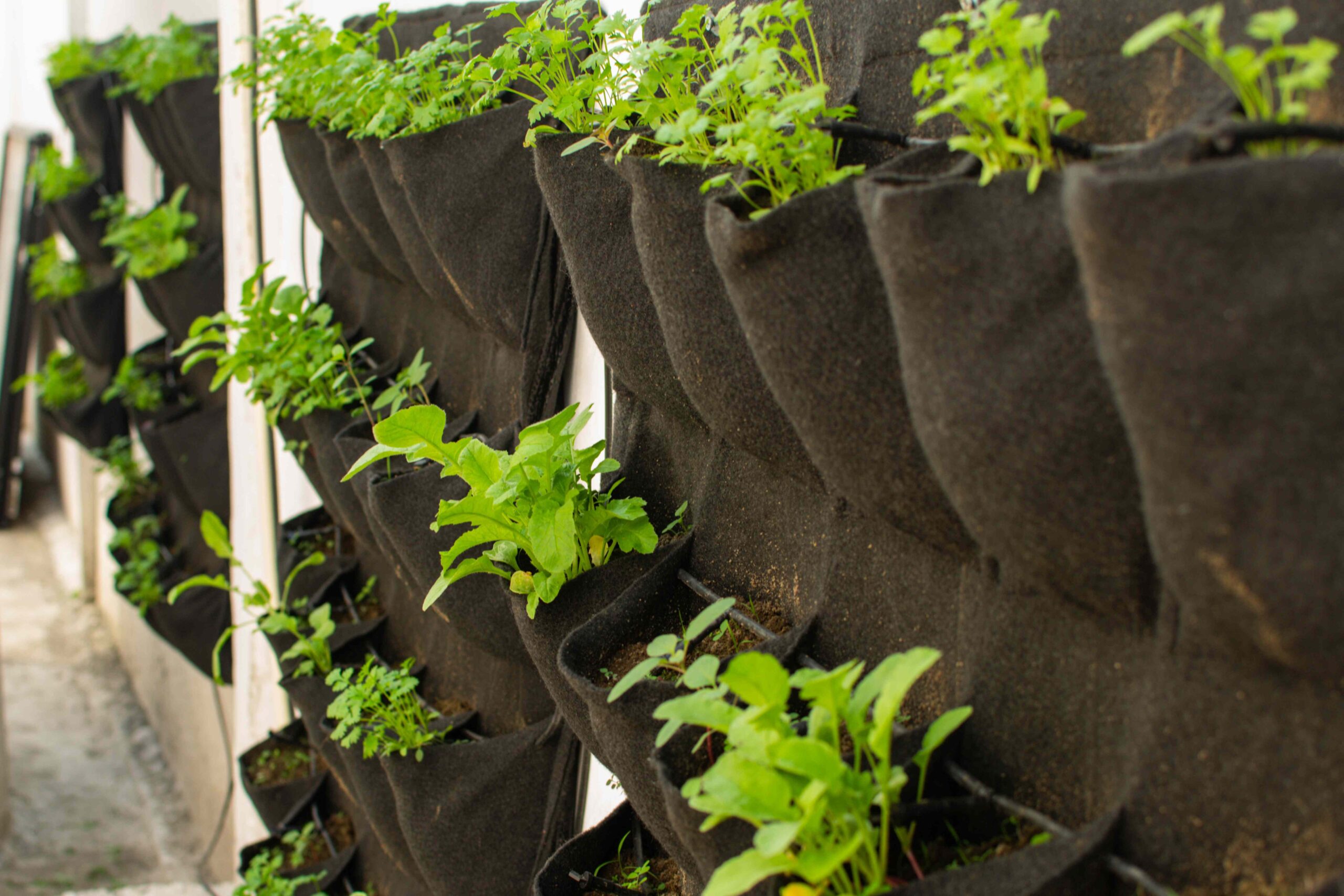
What you’ll need: Hanging baskets, vertical pocket planters, netting, or shelving units filled with pots
Living walls can be built against an existing wall or fence, or you can suspend a netting trellis above pots and coax plants to grow up the netting with plant clips.
These structures are particularly good for vining plants and small potted flowers and edibles, and can provide a lot of privacy to outdoor spaces.
For cost savings, gardening pro Ivonne Vazquez recommends using upcycled items to create your own living wall.
“Think about using items you already have for vertical interest and add color, texture, and visual impact with interesting pots or recycled items,” says Vazquez. “If you don’t have anything suitable, consider making the vertical growing space out of found objects and remember to safely secure anything that is leaning or hanging—potted plants, especially when watered, will be heavier.”
Bamboo Trellises
Credit:
aire images / Getty Images
What you’ll need: 4 6-foot bamboo poles and twine
If you just need to support a few climbing plants in a garden or container, you can create a simple trellis by lashing several bamboo poles together at the top and spreading the poles out to create a sturdy structure.
Suitable for beans, morning glories and other climbing plants, these structures can be nestled over a pot and then stored away at the end of the growing season.
“Crops like peas, cucumbers, tomatoes, and even potatoes thrive when grown upward,” says Pennington. “I’ve also grown sugar snap peas, English peas, snow peas, cucumbers, green beans, tomatoes, and nasturtiums.”
Comments are closed.