
ALEXANDRIA
— Winter Garden College is back for 2026, and the University of Minnesota Extension is excited to bring this popular winter workshop series to six counties across the state, including Douglas County.
It will take place on March 5 from 6 to 8 p.m. in Alexandria at the Douglas County Public Works meeting room, 526 Willow Drive, Room 526.
Designed for backyard gardeners, nature enthusiasts, and small-scale growers,
this two-hour session
offers a blend of practical learning, inspiration, and hands-on experience, all for just $20. Each workshop features two short presentations followed by a 45-minute activity, giving participants a chance to learn new skills and leave with something to grow. It’s a great way to shake off the mid-winter blues and start dreaming about spring.
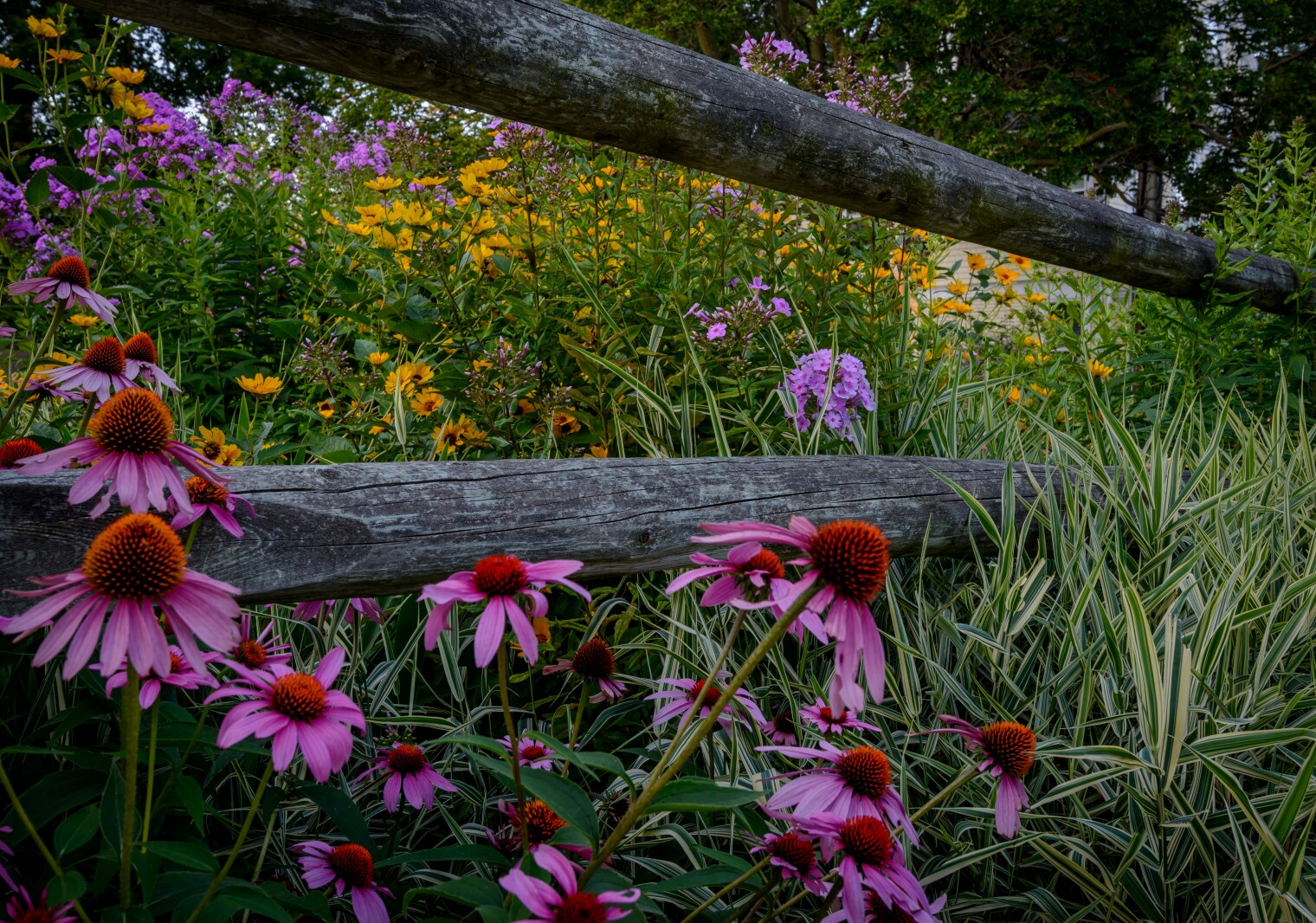
The evening begins with a presentation on how to create a restorative, wildlife-friendly habitat right in your own yard. Participants will explore why native plants are so critical to pollinators, birds, and other beneficial wildlife, and how thoughtful plant choices can transform a yard into a thriving ecosystem.
We’ll talk about keystone species, the plants that support the greatest number of insects and wildlife, along with the ecosystem services healthy landscapes provide, such as improved soil, cleaner water, and increased biodiversity. The goal is to inspire homeowners to design spaces that are not only beautiful, but also part of a larger effort to counter habitat loss. Even small yards can make a big difference when planted with purpose.
As native plants have become more popular, gardeners are also seeing more cultivated varieties, often called “nativars,” appearing in local nurseries. The second presentation dives into the differences among true native species, traditional cultivars, and nativars.
We’ll discuss questions many gardeners are asking: Do
nativars
still support pollinators? How do they compare to their wild counterparts? And how can you combine natives and cultivated plants to create a landscape that’s both ecologically valuable and visually appealing? Participants will leave with a clearer understanding of how to select plants that fit both their aesthetic preferences and environmental goals.
The final portion of the workshop focuses on winter sowing, a simple and effective way to start seeds outdoors during Minnesota’s coldest months. Many native perennials need scarification or stratification, forms of natural dormancy breaking, to germinate successfully.
In this hands-on activity, participants will prepare a
“milk jug greenhouse”
filled with their choice of native perennials, annual flowers, or vegetables. These mini greenhouses can be placed outside to let winter weather work its magic, giving gardeners a head start on spring.
Until next time, happy gardening!
Winter Garden College
Thursday, March 5 — 6 to 8 p.m.
Douglas County Public Works meeting room, 526 Willow Drive, Alexandria.

Robin Trott is a horticulture educator with University of Minnesota Extension. Contact her at 320-762-3890, or at trot0053@umn.
Comments are closed.