
If you want more flowers in your garden this year, you’ll need to do some preparation.This article contains affiliate links, we will receive a commission on any sales we generate from it. Learn more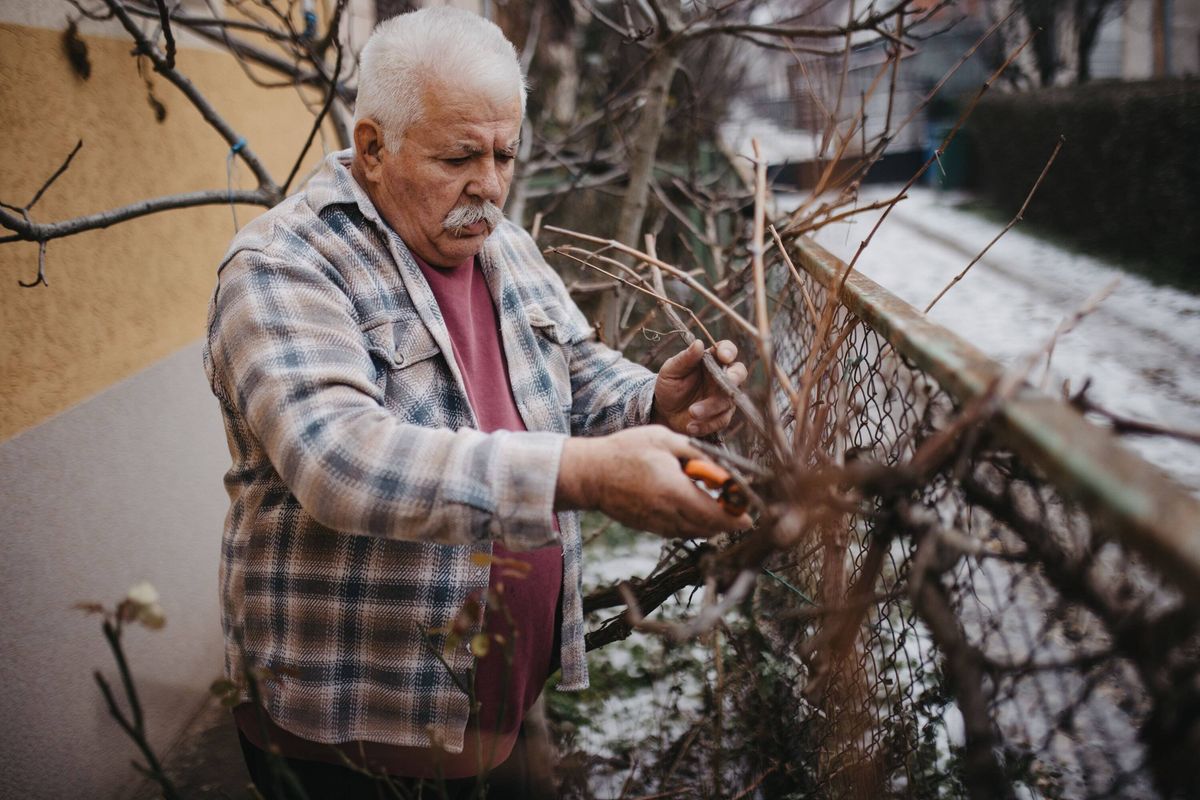
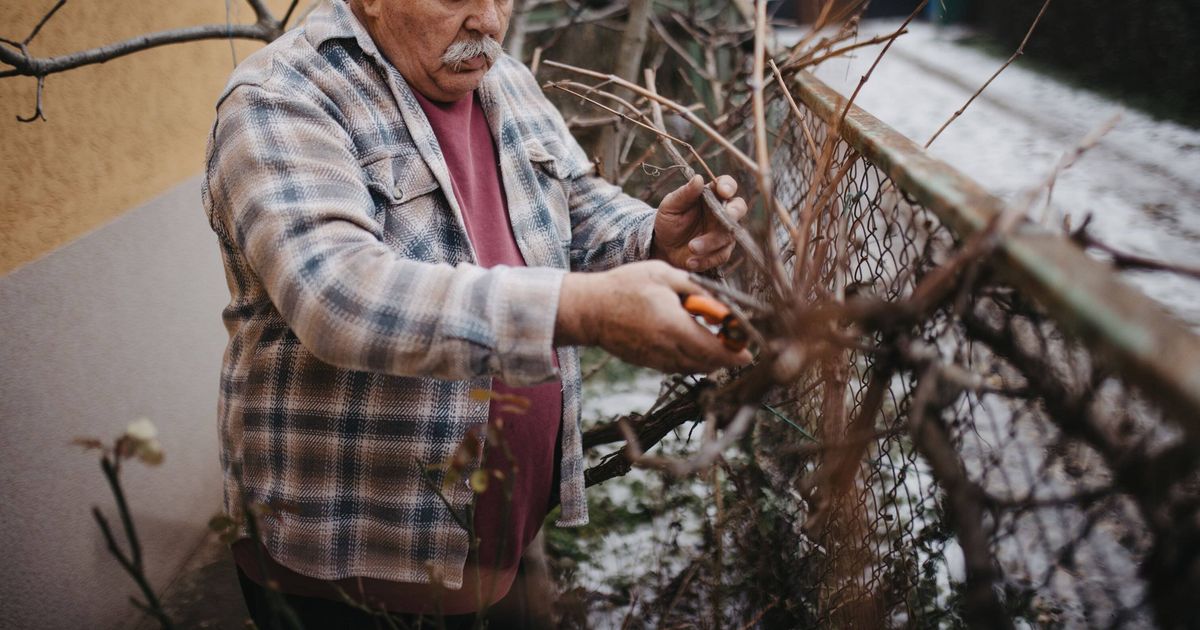
Pruning in winter is an essential task(Image: Getty)
While your garden may appear lifeless during the winter months, there’s actually a wealth of tasks to tackle. To give your outdoor space the best possible start come spring, there are four crucial jobs that need attention this month.
Paul Parker, a gardening expert from bulb and plant specialists J. Parker, has offered his insight on preparing your garden for the milder months ahead.
Despite the seemingly dormant appearance of your plot, your plants are probably crying out for some loving care. From trimming back to getting new growth started, these essential tasks will set your garden up for success, reports the Express.
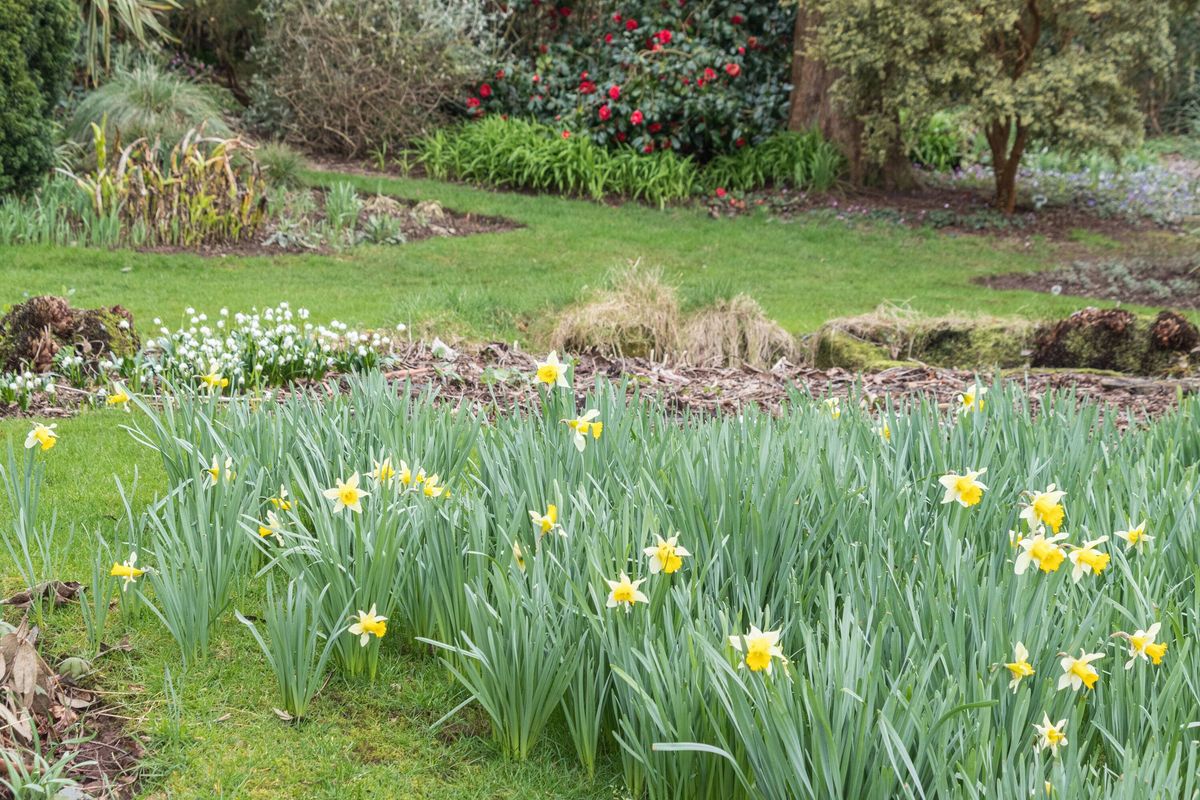
February is a good time to get o top of the garden chores(Image: Getty)
1. Split perennials
Come February, certain flowers will start to emerge, offering a tantalising preview of the spring season ahead. Paul explained: “February is the peak time for snowdrop displays, commonly known as the herald of spring, their nodding bell blooms are an early signal that the new season is just around the corner. Although snowdrops will naturalise without any intervention, if you want to introduce these early spring bulbs to other areas in your garden, now is the time to lift and divide.”
Using a trowel or spade, you can carefully lift these clumps from the soil and then separate them through the roots to create two individual plants.
One section can go back into its original position, whilst the other portion can be relocated to wherever you fancy. These divided plants will establish fresh colonies and spread naturally, yielding even more blooms in subsequent years.
2. Sprout potatoes
Also referred to as ‘chitting’, this task is key for cultivating large, tasty potatoes come springtime.
Paul explained: “For those new to growing potatoes, ‘chitting’ is the process of allowing your seed potatoes to begin sprouting before planting them outside.”
He added that not all varieties require chitting. This step should be taken for first and second early potatoes, while main crop varieties can be planted directly outdoors once the risk of frost has passed.
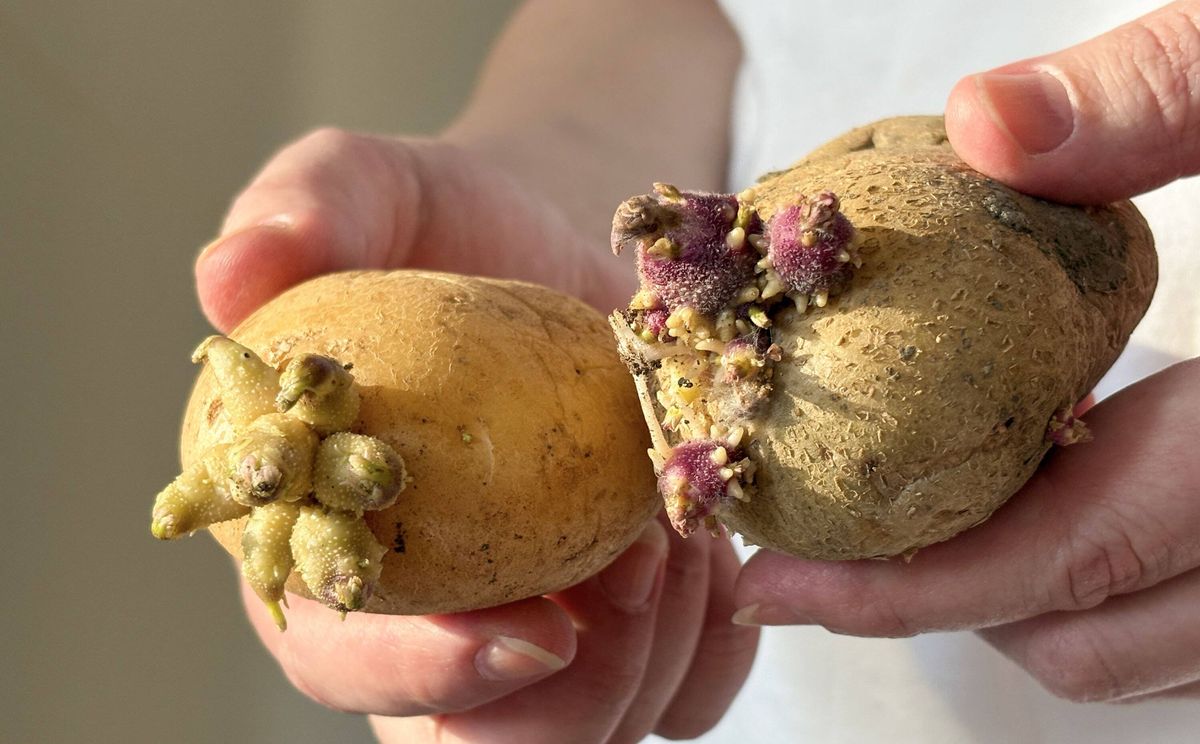
Get your potatoes ready for planting(Image: Getty)
The process is simple – just place your potatoes in a tray or an old egg box and keep them in a cool, light location.
Paul advised: “Don’t keep them in a shed or dark garage, as the sunlight will help to speed up the process. On the other hand, if the room gets too hot, they will shrivel, so find a bright, lightly warm spot for them. For the best results, this should be done roughly four to six weeks before you plan on planting them in the ground or in a grow bag.”
3. Transplant shrubs
February is an ideal time to rearrange your shrubs. As shrubs are dormant in winter, if you’ve noticed some of your plants aren’t flourishing, it might be time to dig them up and re-plant them.
Paul said: “It’s as easy as digging up your shrub from the roots and transplanting it in a new spot, making sure to give it a good drink of water to help it take root. Make sure not to move any winter shrubs that are currently in flower.”
4. Prune wisteria, clematis, and other climbing plants
To ensure a spectacular display of blooms come spring and summer, now is the time to give your climbing plants some attention. Paul highlighted that wisteria, in particular, responds exceptionally well to winter pruning.
He explained: “This is a vigorous climber that requires pruning twice a year, once in winter while the plant is dormant and again in summer to maintain an ideal size and shape. To give a wisteria a winter prune, using a clean and sharp pair of secateurs, cut back stems to three buds from the base of the plant.”
Clematis is another climber that thrives with a good trim. Reduce the stems to a healthy bud, approximately 30cm from ground level.
When new growth emerges, it will appear compact and well-formed rather than sparse and straggly.
Comments are closed.