
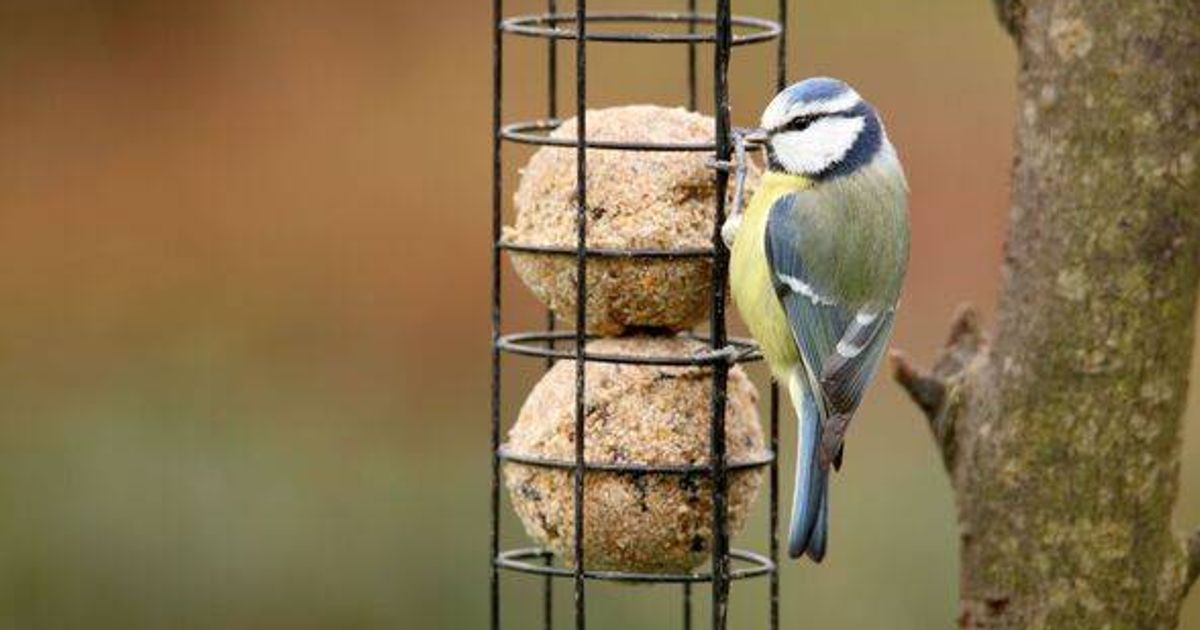
Gardeners hoping to attract smaller birds such as blue tits are advised to make one key change to encourage them to spend more time in their gardens – and it’s not just about the food they put out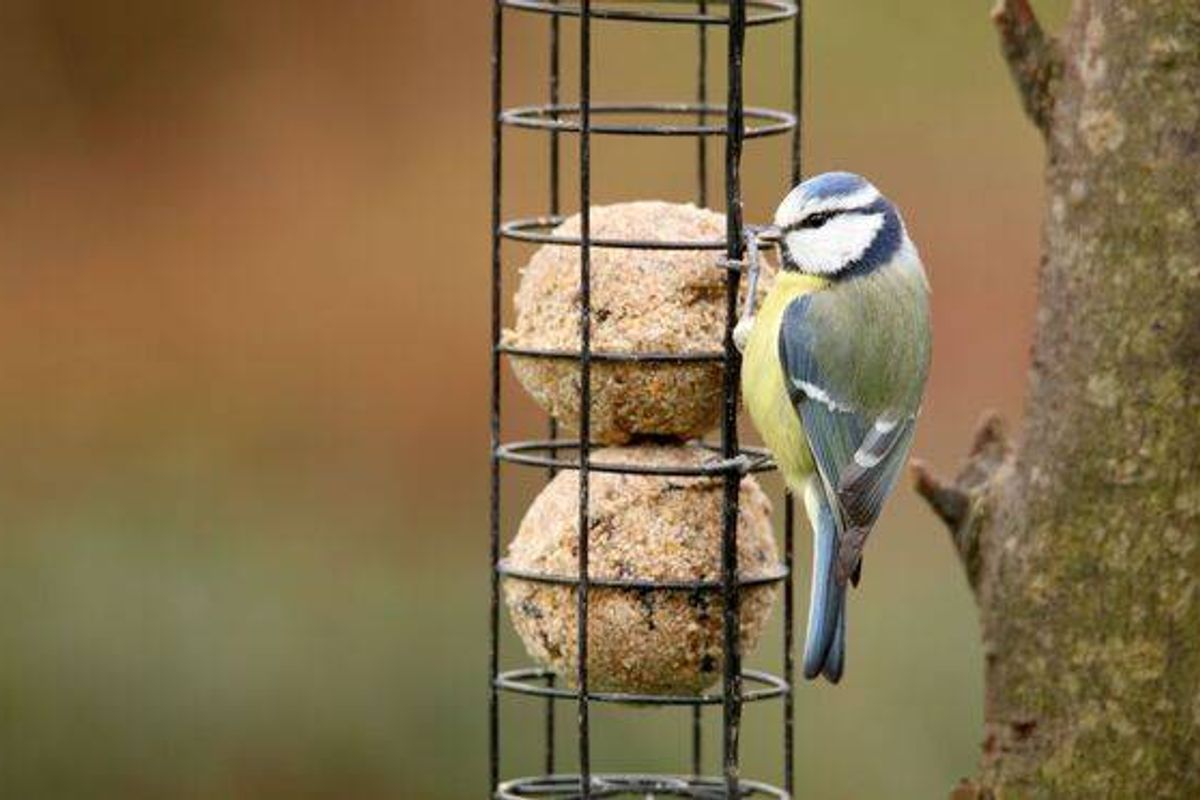
Do you get blue tits in your garden?(Image: Getty)
Everyone loves spotting birds darting about their gardens – they inject vitality, cheer and melodious song into the bleak winter months.
That’s exactly why some gardeners are wondering how to encourage birds into their gardens, having grumbled that they seem to only draw pigeons and blackbirds.
One Reddit poster revealed: “I live in a fairly urban area close to the countryside and I mostly get wood pigeons and blackbirds. Is there anything I should be doing other than the feeders shown in the pictures? There’s suet balls, peanuts, mixed seeds and nyjer seeds. Thanks in advance!”
According to Love Garden Birds, there’s one simple tweak gardeners can make to entice tinier feathered friends – and it’s all down to feeder positioning.
Their guidance states: “Hang your feeders away from fences and trees, as these are ideal perches for cats. Domestic cats are one of the main causes of blue tit mortality.”
Revealing their dietary preferences, the advice continues: “While blue tits enjoy a wide range of feed, they are particularly fond of suet balls and suet pellets.
“Blue tits are known for their lunchtime acrobatics, so provide feeders they can grip onto while feeding – sometimes upside down.
“A mesh peanut feeder is ideal for them to scurry up and hop about on. Peanuts are also a great source of protein and are perhaps their second favourite food.
“However, peanuts should not be left out during the nesting season, as adult blue tits may try to feed them to their chicks, which can be too large and difficult to digest.”
More ways to attract tiny birds to your garden
Following the Reddit discussion, fellow users weighed in with their own tried-and-tested methods for attracting wildlife to their outdoor spaces.
One contributor suggested: “As well as shrubs, a small pond can attract more birds and encourage them to stay longer.”
They explained: “It doesn’t have to be large – a shallow ‘door wedge’ shape works best, allowing birds to paddle and bathe while providing deeper water for insects and amphibians.
“If a pond isn’t possible, a bird bath will also do the job. A small fountain can help too, as birds are attracted to the sound of running water. This is especially beneficial during winter, as it may be the only unfrozen water source available.
“Plants such as teasels and echinops are also great. Not only do the flowers support insects in summer, but finches will feed on the seeds in autumn and winter.”
Another user added: “Feeding-wise, sunflower hearts are a great option, as many species love them.
“Blackbirds may also visit if you put out cut-up apples, and other species can be tempted too – I once had a fieldfare turn up on a snowy day for an apple.”
They concluded: “Providing more plants for cover and berries is important, and if you grow plants that attract caterpillars, birds will follow to feed on them.
“Log and brush piles encourage insects, which in turn attract birds. The same applies to areas of longer grass or meadow patches.
“Thorny shrubs are ideal for nesting, and bird boxes can help if you have suitable locations. Try not to be too tidy in spring so birds can collect twigs, moss and grass for nesting.
“You can also put out natural fibres such as alpaca fleece. A pond will also provide water and attract more insects.”
Comments are closed.