
February is time to start planning and preparing for the upcoming growing season in earnest. Northerners are pondering seed catalogs and starting a few herbs, while snow may continue to fall. Middle region folks are watching the snow melt as they get their seeds started indoors. And those in the South may even be starting to plant outdoors again.
Regardless of your region, February is a perfect time to give houseplants a refresh, before the busy spring gardening season really gets going. Take your potted plants to the sink and give them a long flush to get rid of any accumulated salts in their soil. Let the water run out of the drainage holes for a minute or two, and let them drain completely before returning them to their spot. Rotate the pots so the other side of the plant faces the window.
Northern Region
In the northern tier of states, such as Minnesota, Michigan, and Maine, winter is still going strong, but the days are getting longer. The sap is running, maple buds are getting fat, and it’s time to get some long-lead projects going. February is a perfect time to finalize garden design ideas, make lists of needed plants, and share seeds with other gardeners. And if you’ve got the gardening itch, there are some seeds to start this month.
Vegetable and Herb Garden
If your last frost date is in May, it’s still a bit early to start many plants indoors, but there are a few you can sow now. If your last frost date is in April, you may be in the window for peppers and even tomatoes by the end of the month.
Take the opportunity to fix anything about your seed starting setup that created problems last spring. Were the lights hard to adjust? Did you want to put everything on a timer? Was your watering can too big?
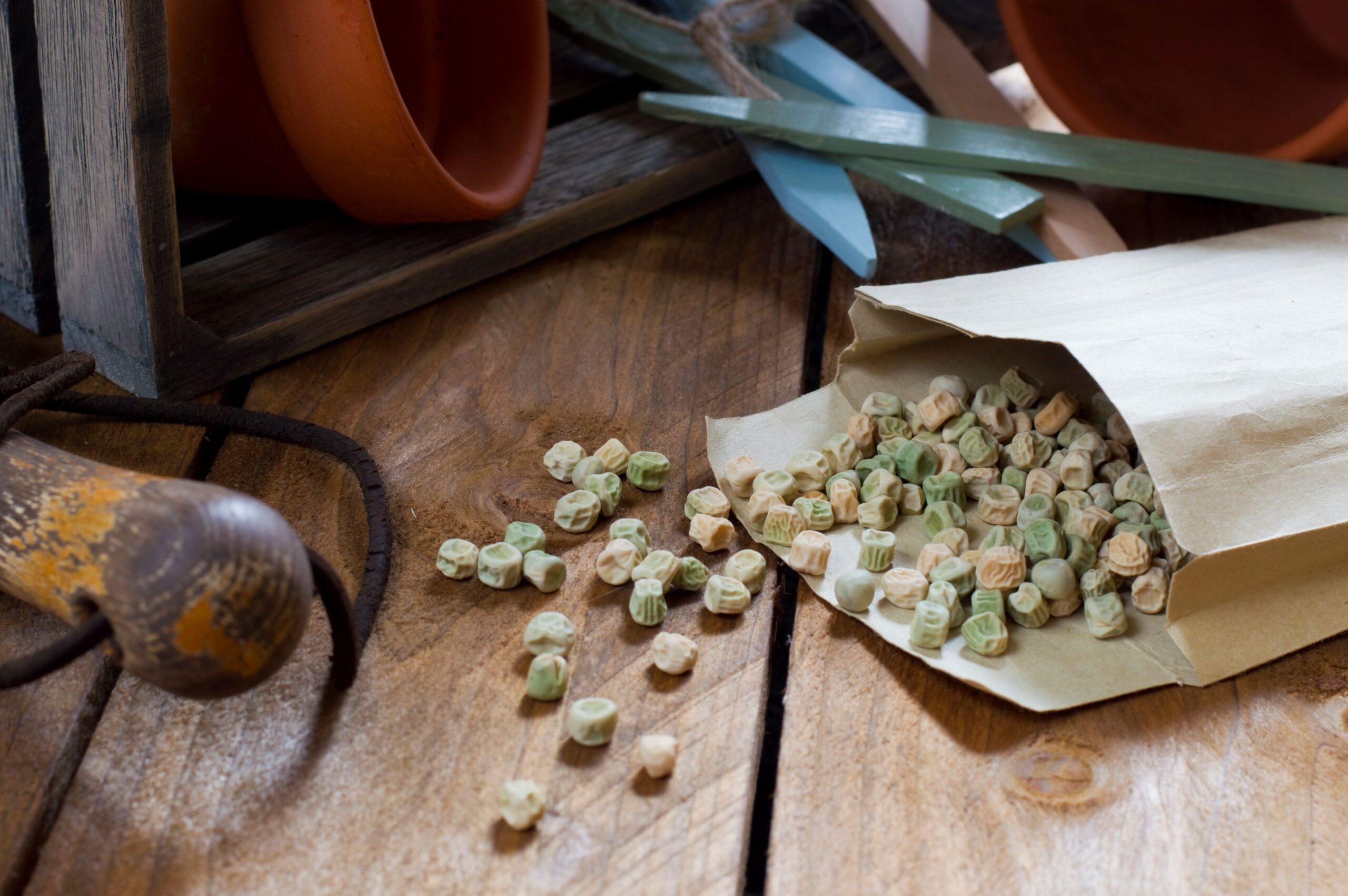
If you saved seeds or found an old packet lying around, now is a good time to do a germination test. If the results are sub-par, you’ll still have time to order replacement seeds.
Start your pepper seeds about 10 weeks before your last frost date. Other slow-starting plants, such as celery, rosemary, sage, and thyme, can also be started this month.
If your last frost date is in April, count back 8 weeks and start your tomato seeds. If your last frost is in May, wait until next month.
Sow some basil and keep it with the rest of your seed starts under grow lights. You’ll be harvesting the first fresh aromatic leaves in just a few weeks for a much-needed spring pick-me-up.
Flower Beds, Perennials, and Ornamentals
Finish up any dormant season pruning tasks on a nice winter day. Don’t forget to get the last of your nursery orders placed.
Double-check your perennial seeds and start stratifying any that need it. Many native perennial seeds need 30-60 days. It’s time to put them in the refrigerator and start the process.
Order any bare root nursery stock if you haven’t already. Think apple trees, rose bushes, berry bushes, and even the rootstock of rhubarb and hops. The earliest orders often get filled with the best stock.
Check your rabbit and deer protection cages and wraps (if they aren’t under snow). Late winter is often when those critters turn to our shrubs and trees.
To-Do Checklist
Start onions from seed.
Check your stored bulbs and any remaining squash, onions, carrots, or other root crops. Make an entry in your garden journal on what varieties are still storing well.
Check the dahlia vendors for spring sales on varieties they still have in stock.
Middle States
In middle-tier states, such as Kansas, Virginia, and Missouri, winter weather is abating. Soil may start thawing and early spring flowers may start appearing toward the end of the month.
Vegetable and Herb Garden
Planting outdoors will have to wait a while yet, but it’s time to get going on some seed starting. Don’t forget to sterilize any seed starting flats and cell packs you will be reusing to prevent last year’s problems from returning. Soaking them in a plastic tub filled with a 10% bleach dilution works well. After soaking, rinse them with clean water. Just be careful not to splash your clothes.
It’s time to start many seeds indoors, including tomatoes, lettuce, brassicas, and snapdragons. Hold off yet on any cucurbits like melons or cucumbers (if you start those indoors to beat the critters).
If you haven’t already, start your celery, peppers, onions, leeks, and herbs, including lavender, rosemary, sage, and thyme.
Set up your cold frame to get a start on some cool-season crops. Even if you aren’t quite ready to plant, the soil underneath will begin to warm.
Flower Beds, Perennials, and Ornamentals
As you wait for warmer days, do an inventory of your shovels, rakes, forks, hoses, and hose timers. Make any needed replacements. If the ground is thawed and dry, water young evergreens on a warm day.
Check that late winter winds haven’t blown away your mulch, and reapply if needed.
If the ground is thawed, you can start sowing sweet pea, snapdragons, and other cool-weather flowers outdoors now.
Tamp down any frost-heaved soil around your perennials.
Cut some forsythia stems and force them into bloom indoors for a splash of color.
To-Do Checklist
Sharpen shovels, hoes, and trowels. Oil wooden handles.For edibles or ornamentals you’ll be direct seeding, place a quick last-minute order for any packets you’re missing or are too old.Check the tire on your wheelbarrow to see if it’s gone flat over winter. It’s much easier to pump it up than it is to try to reset the bead if it comes off.
Southern Region
In Texas, Georgia, Florida, and other southern states, February feels like early spring. Nice days are good for getting prep work done in the garden, and even for planting early spring crops. For many in the South, it’s the start of garden season.
Vegetable and Herb Garden
Overwintered brassicas may be doing well now. There’s cool-season planting to do, and hopefully your tomato seedlings are looking healthy indoors under grow lights.
It’s time to plant root vegetables, including carrots, beets, and onion sets.
Plant your peas, if you haven’t already.
Start hardening off transplants and get your cabbages, kales, and broccoli in the ground.
Get those annual weeds when they are still young and easy to hoe, but take care around young plants.
Flower Beds, Perennials, and Ornamentals
Plants are waking up, and you can take stock of anything that might not have made it through the winter. Be patient. Some plants take longer than others to emerge. Cut back ornamental grasses and dead stalks on perennials to make way for fresh growth.
Early spring is a great time for dividing perennials.
Transplant snapdragons and pansies. Direct seed poppies and sweet peas.
Plant bare root ornamentals and fruit trees as they arrive.
Add a layer of compost to perennial beds.
To-Do Checklist
Give the compost pile a flip. If you’ve got a multi-bin system, shift to a new bin.
Gather any additional compostable materials, such as pine straw or leaves, for later use.
Now is a good time to prune roses, while they are still dormant.
Comments are closed.