
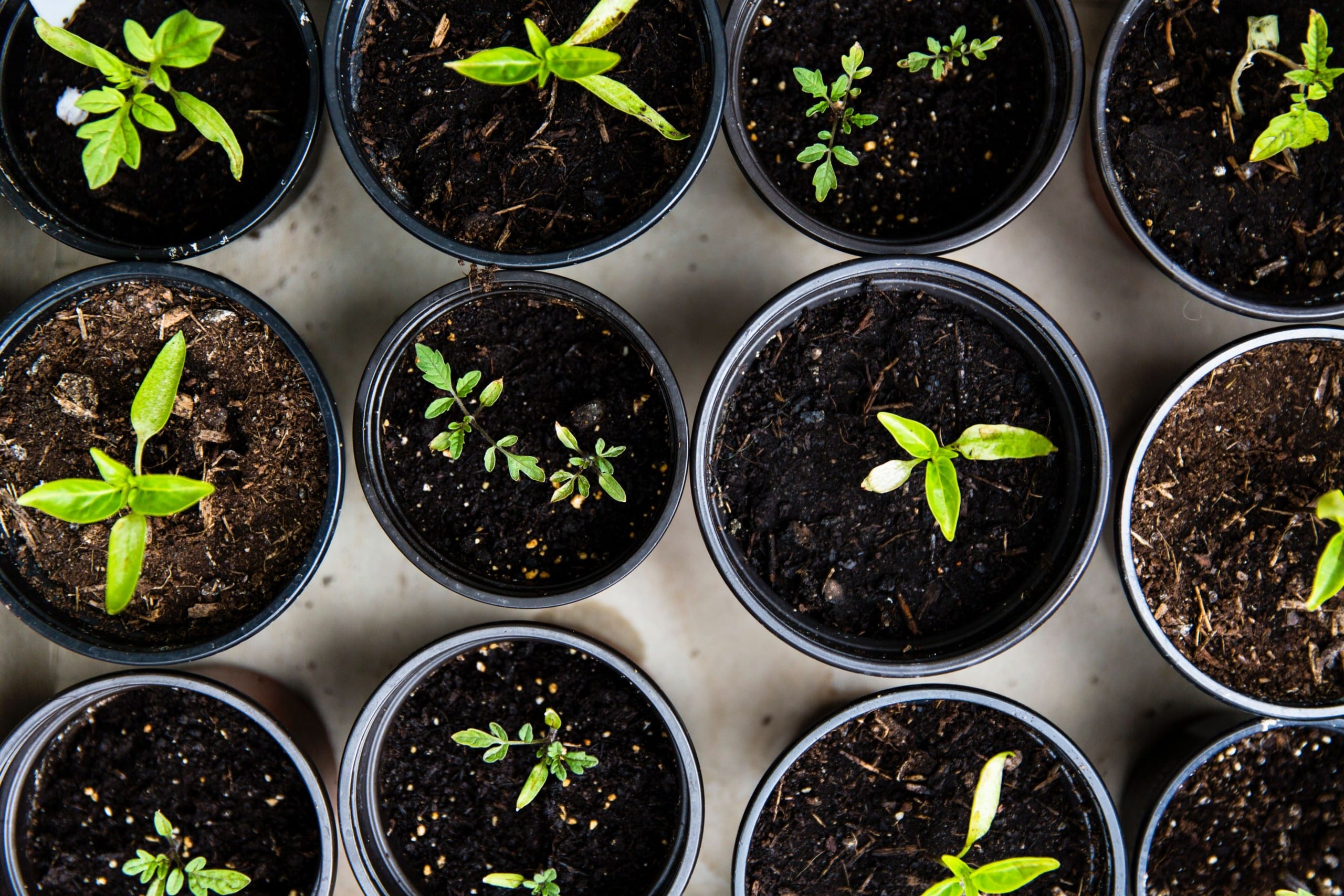
 Master gardener, Rosann Kent, offers several steps to take in ensuring a healthy spring garden, from testing your soil and rotating crops to preparing an effective watering system. Photo from University of Georgia.
Even with recent cold weather across Middle Georgia, spring gardening in Zone 8b often arrives sooner than expected. A few warm days can quickly ignite the urge to plant early.
To make the most of that brief spring window, focus on a few key steps that prepare your soil, your space and your plants before the season is fully underway. These tasks may not be as exciting as flipping through seed catalogs, but they are research-based practices that help turn gardening hopes into healthy, productive plants. A little planning now can make the difference between a garden that thrives in spring and one that struggles once summer heat takes hold.
Step 1: Test your soil before you add anything
Soil testing is the single most important step you can take to improve your garden — and one of the most overlooked. Without a soil test, it’s impossible to know whether your soil needs lime, fertilizer or nothing at all. Adding amendments without guidance can waste money and, in some cases, create more problems than it solves.
Many Middle Georgia soils are naturally acidic, which affects how plants absorb nutrients. A soil test measures pH and nutrient levels to provide clear, crop-specific recommendations. Testing early allows time to adjust soil conditions, so nutrients are available when plants need them most.
Step 2: Plan your garden layout and rotate crops
Before planting, take a few minutes to sketch your garden beds or containers. Identify areas that receive full sun, spots that stay wetter and locations where taller crops may shade smaller ones. This simple planning step helps prevent overcrowding and improves air circulation and light exposure.
Crop rotation is equally important. Avoid planting the same vegetable families in the same location year after year. Rotating crops helps reduce disease and insect pressure while balancing nutrient use in the soil. Even small gardens benefit from thoughtful rotation.
Step 3: Cleaning and preparing
Many spring garden problems begin with remnants from the previous season. Old soil, dirty containers and unclean tools can harbor plant diseases that affect new growth. Wash pots and seed trays thoroughly and sanitize them before reuse. Remove plant debris from garden beds and refresh mulch as needed.
Taking time to clean now can prevent disease issues later, when they are more difficult to manage.
Step 4: Match crops to the right planting window
Planting too early can slow growth and stress plants, while planting too late can shorten the harvest period. Following recommended planting dates helps crops establish quickly and produce before intense summer heat arrives.
Cool-season crops such as lettuce, potatoes and English peas can be planted early, while warm-season vegetables like tomatoes, peppers and okra should wait until soil temperatures warm.
Step 5: Prepare watering and protection systems
Before planting begins, make sure your watering system is ready. Check hoses, drip lines and sprinklers for leaks or clogs. Inconsistent watering can stress plants and reduce yields.
Keep lightweight row cover or frost cloth on hand in case of late cold snaps. Quick protection can make all the difference for tender seedlings.
By following these simple steps now, you can set your spring garden up for a strong, healthy start.
Rosann Kent is a Master Gardener Extension Volunteer for Bibb County Extension.
Click here for additional resources from UGA
Soil Testing
https://fieldreport.caes.uga.edu/publications/C896/soil-testing-for-home-lawns-gardens-and-wildlife-food-plots/
Home Gardening
https://extension.uga.edu/publications/detail.html?number=B577
UGA Vegetable Planting Chart
https://fieldreport.caes.uga.edu/wp-content/uploads/2023/06/vegetable-planting-chart-for-Georgia-C963-UGA-extension.pdf
Comments are closed.