
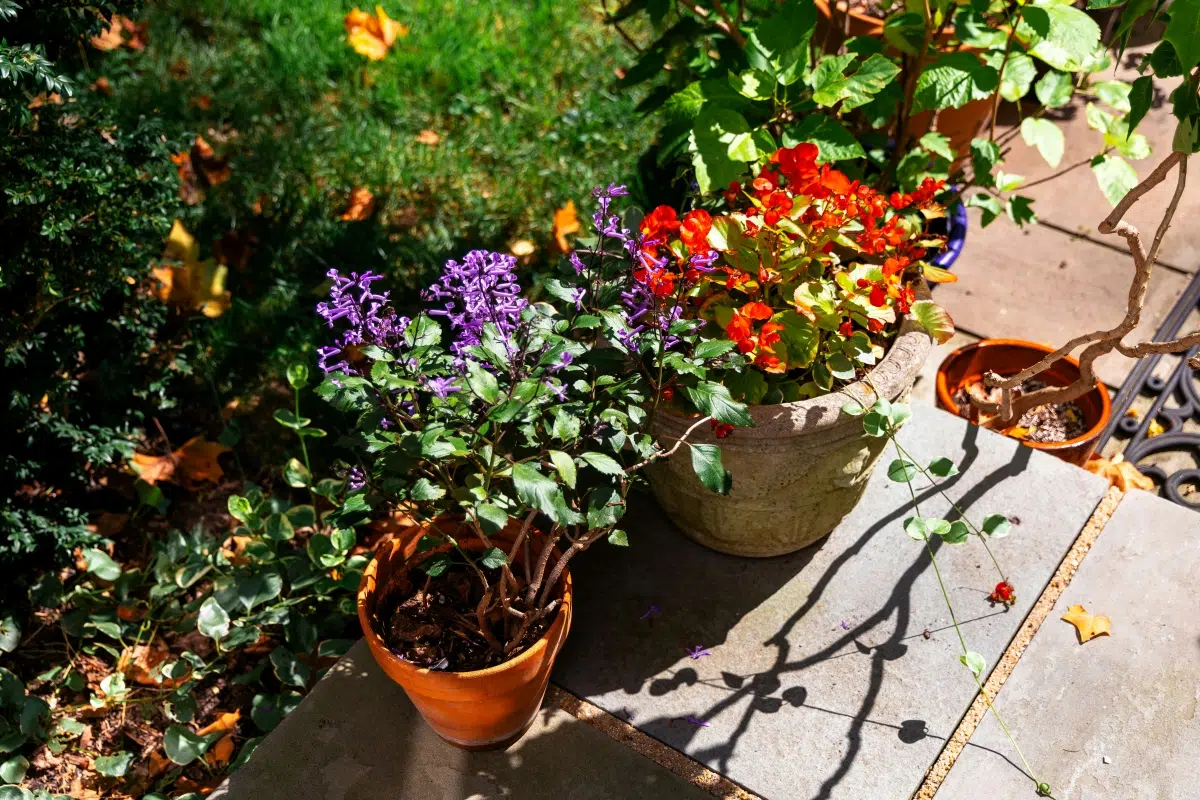
The Argentinian summer no longer gives a break and the thermometer shows unprecedented values both in cities and rural areas. In this scenario, gardens, orchards, and green spaces feel the direct impact of sustained heat, which is why learning how to care for plants becomes key.
Moreover, the intense solar radiation and the lack of regular rains accelerate the deterioration of leaves, stems, and roots. Therefore, taking care of them becomes a concrete environmental practice. Thus, maintaining greenery is not just aesthetics, but adaptation to climate change.
Location and watering: first barriers against thermal stress
Correctly choosing where to place each plant is the first step to reduce the sun’s impact. Some species require partial shade or filtered light to avoid burns.
At the same time, the natural shade of trees and shrubs creates cooler microclimates. This helps to retain moisture and stabilize soil temperature.
In parallel, watering should be done early in the morning. In this way, water is better utilized and excessive evaporation is avoided.
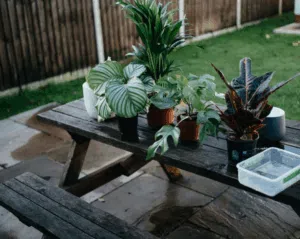 How to care for plants during heatwaves. Photo: Unsplash.
Protected soil and physical solutions
Exposed soil loses moisture quickly during summer. Therefore, the use of organic mulches becomes a key tool.
Materials like straw, dry leaves, or wood chips keep roots cool. Additionally, they reduce weeds and improve the quality of the substrate.
When temperatures soar, shade nets, awnings, and veils are also useful. These barriers mitigate the direct impact of the sun.
Resistant species and conscious fertilization
Selecting plants adapted to heat makes summer care easier. Succulents and Mediterranean species tolerate drought and intense radiation.
Likewise, flowers with deep roots better withstand periods of water stress. This reduces the need for constant watering.
Regarding fertilization, organic fertilizers and potassium supply strengthen plant tissues and improve resistance.
 Spraying leaves with a little vinegar mixed with water will help keep plants healthier. Photo: Unsplash.
The best plants to beautify the garden in summer
Among the most recommended options are lavender, rosemary, sage, and thyme, ideal for warm climates and well-drained soils.
Also noteworthy are succulents like Sedum, Kalanchoe, and Aloe, which store water and offer varied shapes and colors.
They are joined by gaura, echinacea, sunflower, and globe thistle, rustic species that bloom even under intense sun.
Final care and ecological perspective
During summer, it is advisable to avoid intense pruning, as it exposes sensitive tissues. Instead, removing dry branches helps optimize resources.
Additionally, heat favors pests, so constant observation is essential. The balance of the soil is the best natural defense.
In short, a healthy garden in summer arises from small daily decisions. Adapting practices and choosing well the species allows maintaining greenery even in times of extreme heat.
Comments are closed.