
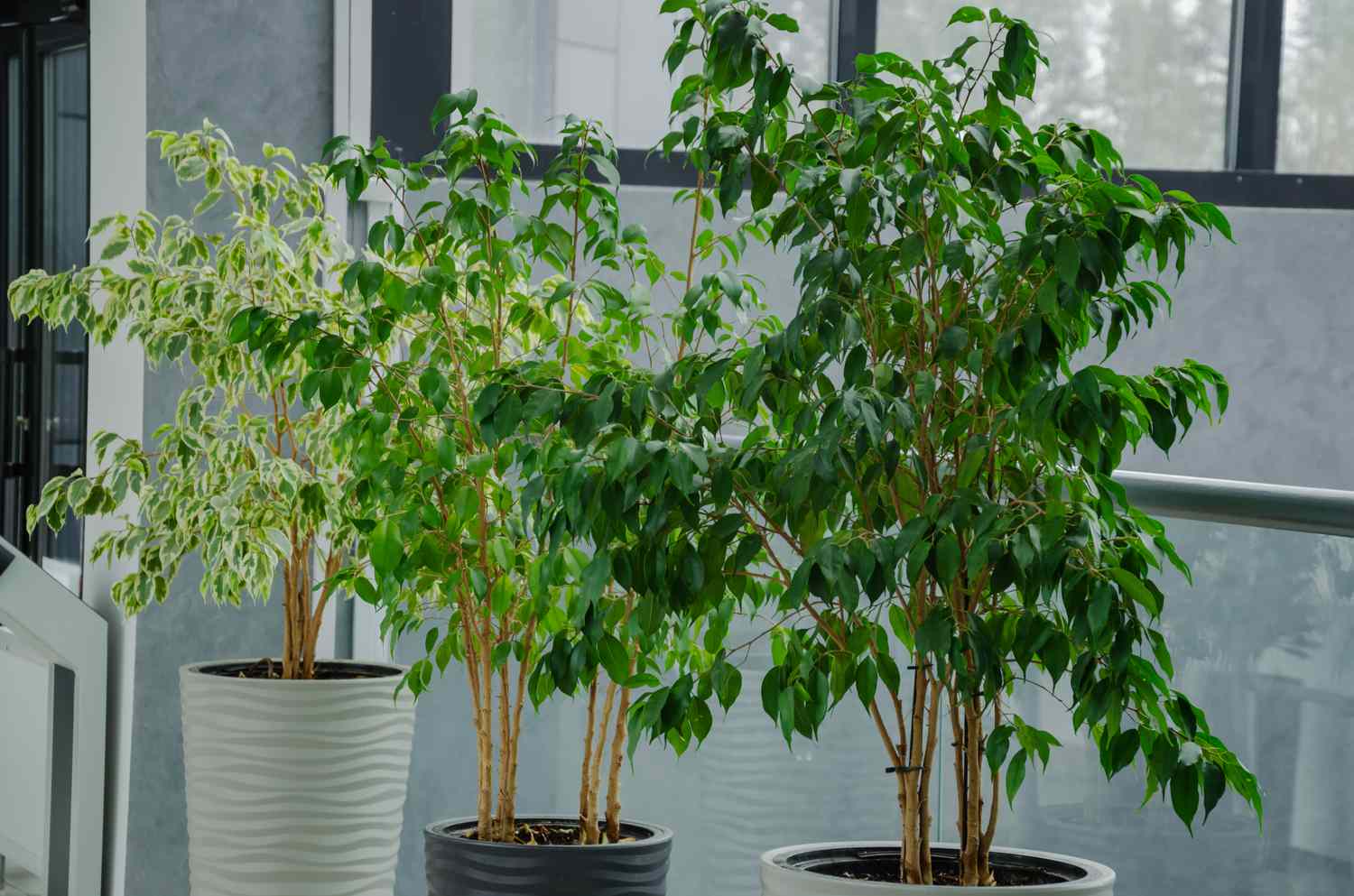
There’s no denying Ficus is having a moment. Home gardeners, designers, and growers alike have all found the Ficus to be worthy of a crowning moment in 2026, with the National Garden Bureau even declaring it the year of the Ficus. But what’s all the fuss? From their glossy green leaves to their indoor suitability, finding reasons to love this easy-to-grow species won’t be hard to come by.
“Ficus is an on-trend houseplant with a wide array of varieties, giving plant parents a lot of choice,” says Justin Hancock, horticulturist at Costa Farms. “Many Ficus are large statement plants, which is also a trend with plant parents.”
But beyond aesthetics, they’re also lauded for their versatility with a vast array of species available to suit a plethora of styles, environments, and maintenance levels, says Elin Harryson, plant expert for Planta.
Here, Hancock, Harryson, and Gail Pabst, marketing director for the National Garden Bureau, share the reasons you’re going to fall in love with Ficus this year.
Why Ficus Is Having a Moment
Call 2026 the year of the Ficus, just don’t think this house plant is going anywhere once we start singing “Auld Lang Syne.” “While some Ficus have a reputation of being finicky and losing their leaves when moved, most are incredibly resilient once settled and can last for years, being handed down from generation to generation,” says Pabst.
If you don’t have a green thumb, rest assured, there might be a Ficus variety for you yet. Due to their strong root systems that develop as they mature, a Ficus will thrive once you find the right environment for your species. It’s likely the temperature in your home is ideal for the hardy houseplant, which can be found natively throughout the tropics.
Beyond their easy care, lush growth, and resilience, there’s a certain nostalgia that deems these green beauties winners in our book. “Ficus plants are a tried-and-true houseplant that’s been enjoyed by generations of plant parents—there’s something comforting about that and a great way to connect with the past,” says Hancock. “If your grandmother had a Ficus, there’s a sense of connection if you grow one, too.”
Ficus Care 101
Let Your Ficus Be
Harryson says Ficus like to be slightly root-bound, meaning you might not need to be repotted yearly. Instead, the plant expert advises only repotting when roots circling the pot become visible and/or when growth slows.
Prune and Propagate
Giving your Ficus a good prune will keep both its height in check and encourage fuller growth. But before you toss those clippings, use them to create more little Ficus plants, as Harryson says most Ficus varieties are easy to propagate from clippings.
Mix and Match
Ficus make beautiful companions when different species are mixed and matched to create a textural, layered plant collection, says Harryson.
Wipe Leaves
Your indoor Ficus will begin to collect dust that could interfere with photosynthesis if not given proper care. Harryson and Hancock advise regular dusting to give leaves greater access to light.
Give Them Light
“The more light [Ficus] get, the more energy they’ll have to grow and the more stress resistant they’ll be,” says Hancock. Harryson suggests placing them near a south- or east-facing window outfitted with a sheer curtain for best results.
Ficus Mistakes You Should Never Make
Don’t Overwater
“Ficus roots need to breathe, and if the potting mix stays too wet, roots suffocate and die,” explains Hancock. Only water when the top layer of soil is dry, and never let puddles sit in the saucer.
Don’t Let Pets Get Too Close
Keep your pets away from your Ficus as the sap can be an irritant, causing skin, stomach, and mouth discomfort.
Don’t Place Your Ficus Near an Air Vent
Hancock warns Ficus aren’t fans of drafts—whether from heating or A/C—so keep your plants well out of their path. Failing to do so can make leaves drop prematurely.
Don’t Move Your Plant Around Too Much
“In nature, Ficus stay rooted in the ground so changing environments—like going from room to room in your home—can be stressful and cause them to drop leaves in response,” Hancock says. Once you find a spot they like, it’s best to let them stay put.
Don’t Let Your Ficus Get Cold
While you can bring your Ficus outdoors during the warmer months, don’t let the cold creep in before you bring your plant back indoors, as temperatures even just in the upper 50s could cause your Ficus stress.
Don’t Panic
Don’t call in the cavalry at the first sign of dropped leaves. Harryson says this can be a normal effect of age, or a reaction to a change in environment, light, or watering. Give it time to settle in before determining what, if any, course of action is needed.
Comments are closed.