
Happy snowy time of year gardening friends February is the month where we’re squinting at our white yards, stepping over frozen ground, and making big promises to ourselves like: This is the year I’m going to get my gardening act together.
Good news: you don’t need to do it all. February is a great month for picking your “spring shortlist”,the few plants that will make the biggest difference once local garden centers like Primex are stocked and the soil is workable again (typically March, April, and May around here).
This column theme came from a DM on Instagram and asked a simple question: “What are your top five native plants for our area?” I love that question because it’s exactly how most of us actually garden: what works in my soil, this area and actually helps support the ecosystem. DM me your yard questions (sun/shade, wet spots, deer drama, “help, I kill plants”). If you’re wondering it, someone else probably is too.
My 5 Native Powerhouses for Southeastern PA
If you plant nothing else native this spring, choose one of these and you’ve done an incredible job. (I’ll even come visit your home to say thank you)
1. Oak (Quercus spp.) The One-Plant Habitat
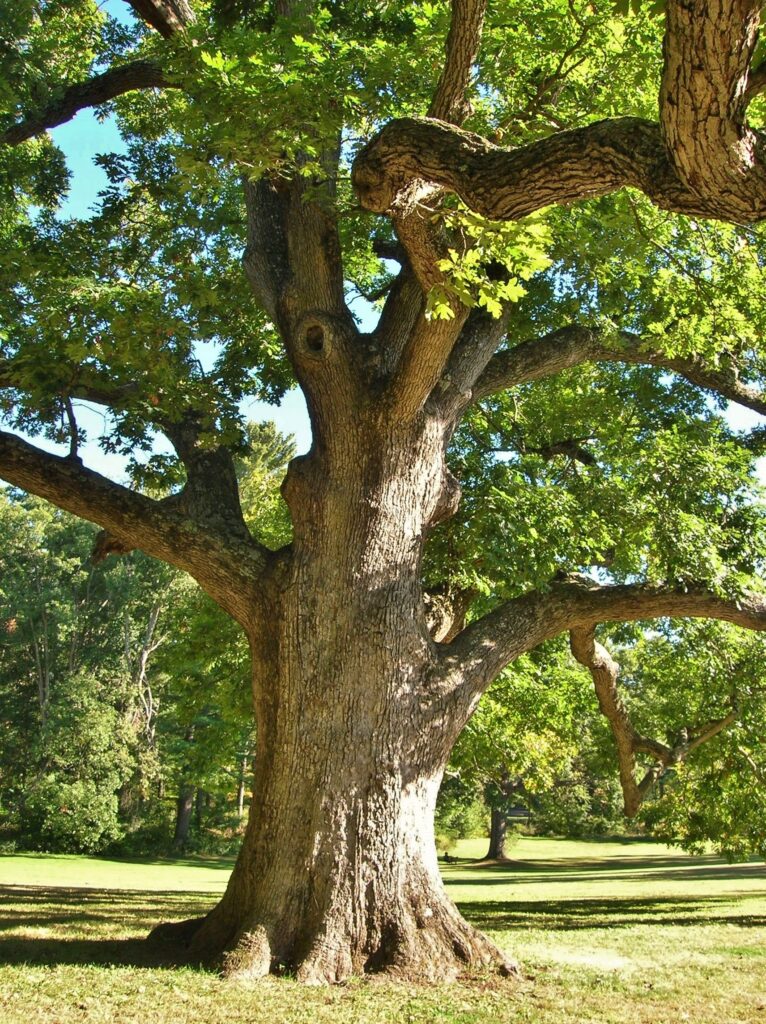 An oak tree supports over 2,300 species of bird, insect, fungi and mammal
If you have room for one “big impact” plant, make it an oak. Oaks support an enormous amount of local life and by enormous, I mean over 2,300 different species of birds, insects, fungi, and mammals, wow! One tree really can change what your yard can feed and shelter over time and it looks beautiful.
Best for: sun to part shade, room to grow.
Mediocre gardener note: plant it once and know that you’re doing something for your generation and those to come.
2. Serviceberry (Amelanchier spp.) Small Yard, Huge Payoff
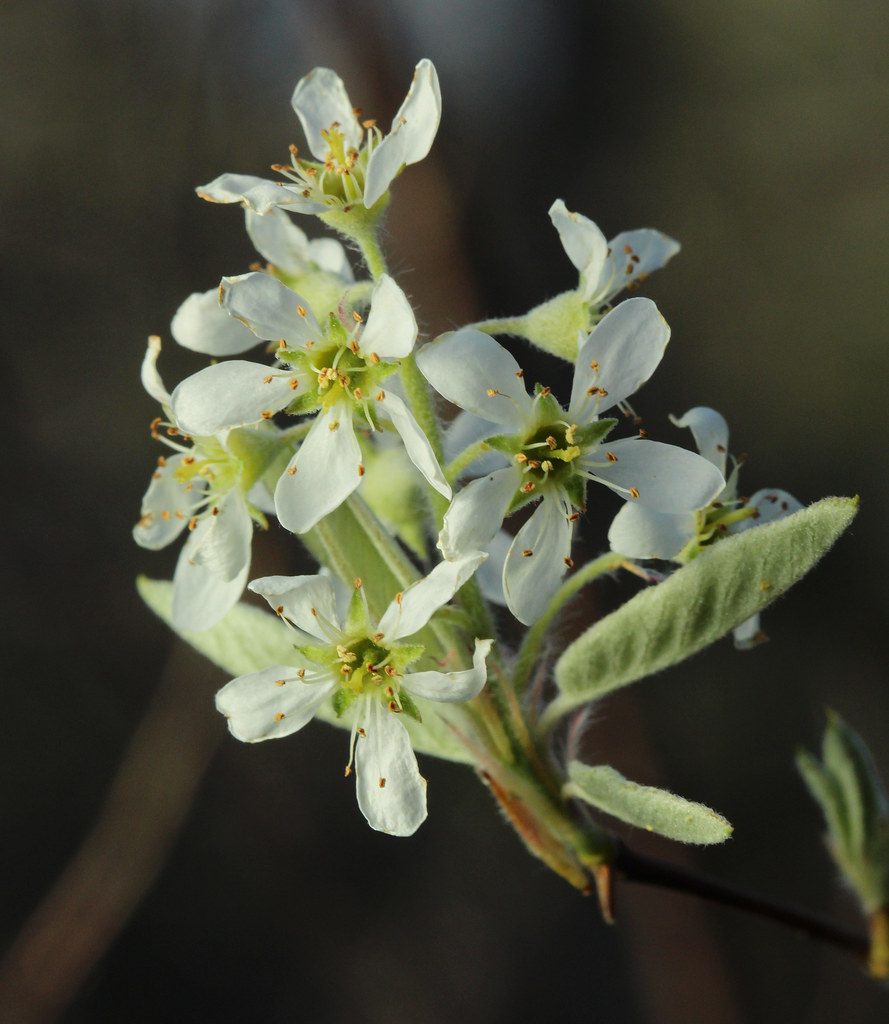 Serviceberry supports several caterpillars including that of the Eastern Tiger Swallowtail
No room for an oak? Serviceberry is the small-yard MVP: early spring blooms, berries for birds, and it makes your yard look like you planned it on purpose. This plant hosts several caterpillars, including the Striped Hairstreak,Eastern Tiger Swallowtailand several sphinx moths. Now that’s a high performer!
Best for: sun to part shade
Mediocre gardener note: it’s the “I really, really, really, really want a native tree but make it manageable in my space” option.
3. Willow (Salix spp.) Early-Season Lifeline
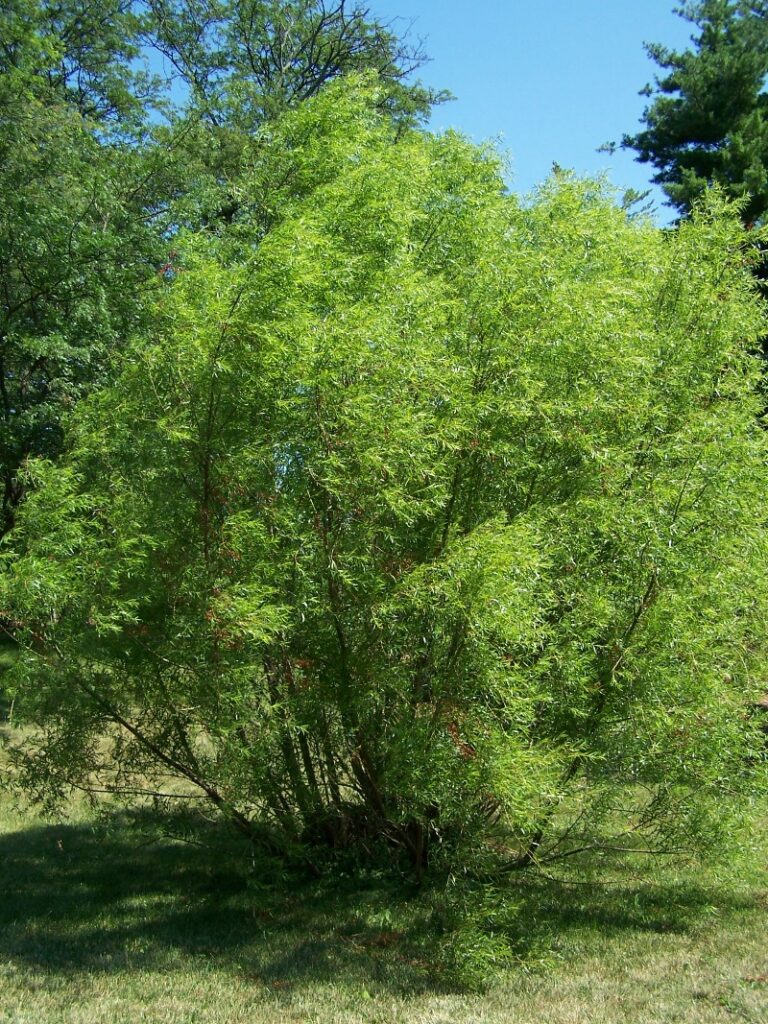 Salix is a great early spring plant for pollinators
Willows show up early for pollinators, offering resources when not much else is blooming yet. They’re especially great if you’ve got a damp area that you’re not sure what to do with. And birds like the Willow Flycatcher like to nest in them, woodpeckers, finches and warblers find insects in their foliage and bark. One of my favorites though is that beavers can use the trunk and branches for dam construction and food.
Best for: moisture-friendly spots
Mediocre gardener note: this is how you turn a “problem area” into a feature.
4. Spicebush (Lindera benzoin) The Shade-Friendly Workhorse
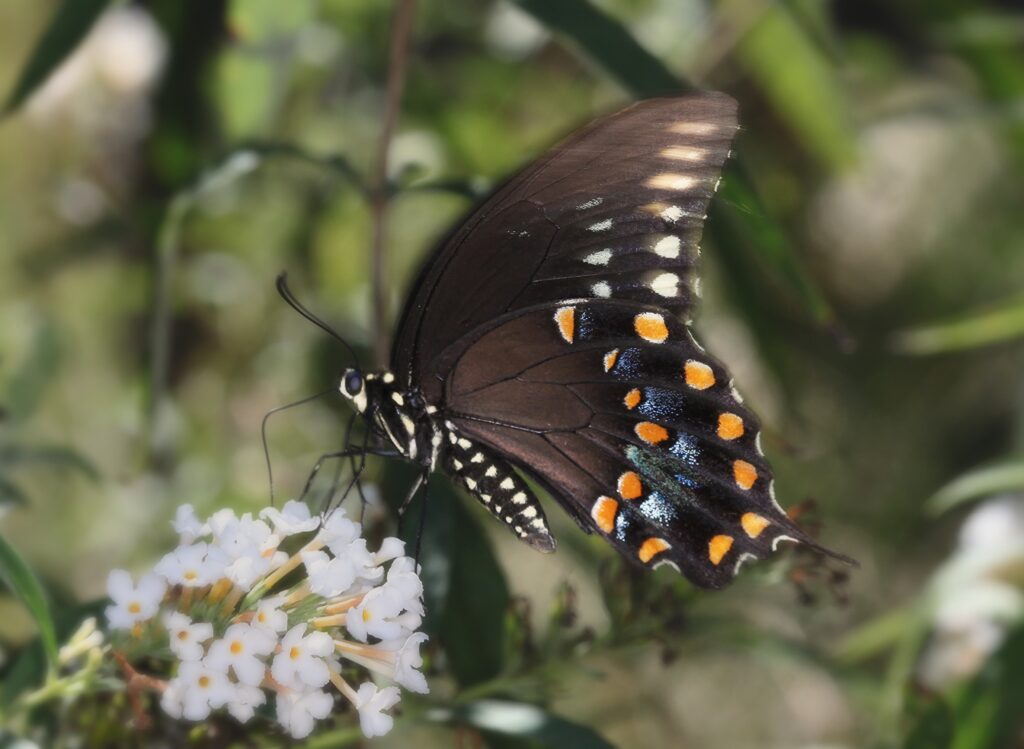 Spicebush works great in the shade and hosts the Spicebush Swallowtail butterfly
If your yard is shady and you’ve assumed natives won’t work, spicebush is your permission slip. It’s a great native shrub for woodland edges and part-shade spaces, and it supports a lot of wildlife, including the beautiful Spicebush Swallowtail butterfly.
Best for: part shade to shade
Mediocre gardener note: low drama, high payoff, the ideal personality and deer resistant.
5. Little Bluestem (Schizachyrium scoparium) or Pennsylvania Sedge (Carex pensylvanica) The Garden Glue
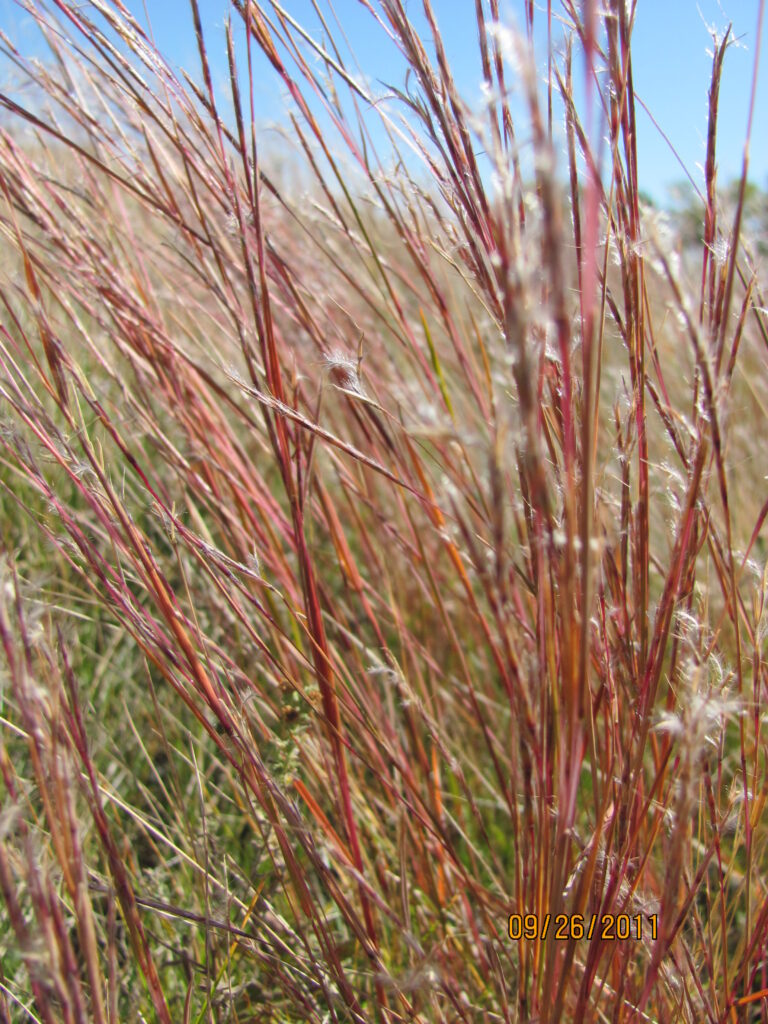 Little bluestem loves a sunny spot and is inviting to insects to overwinter
Here’s the secret ingredient that makes native gardens easier: “glue plants.” Native grasses and sedges fill space, add structure, reduce weeding stress, and make the whole garden look more intentional. These are great for overwinter shelter for insects and small mammals too.
Best for:
Little bluestem = sunny spots
Pennsylvania sedge = shadier spots
Mediocre gardener note: if you want “low maintenance but still looks good,” start here.
Want a ready-made shopping list for spring?
If you’re the kind of person who wants a starter pack you can follow without overwhelm , Primex Garden Centerpublished a Pennsylvania Native Plant Starter Pack with additional easy-to-grow options, great “supporting cast” plants to fill in around your backbone choices from above. It includes picks like purple coneflower, bee balm, wild ginger, Virginia bluebells, switchgrass, black-eyed Susan, inkberry holly, and ninebark, the kind of plants you’ll typically be shopping for once spring has sprung.
Neighborhood Notes
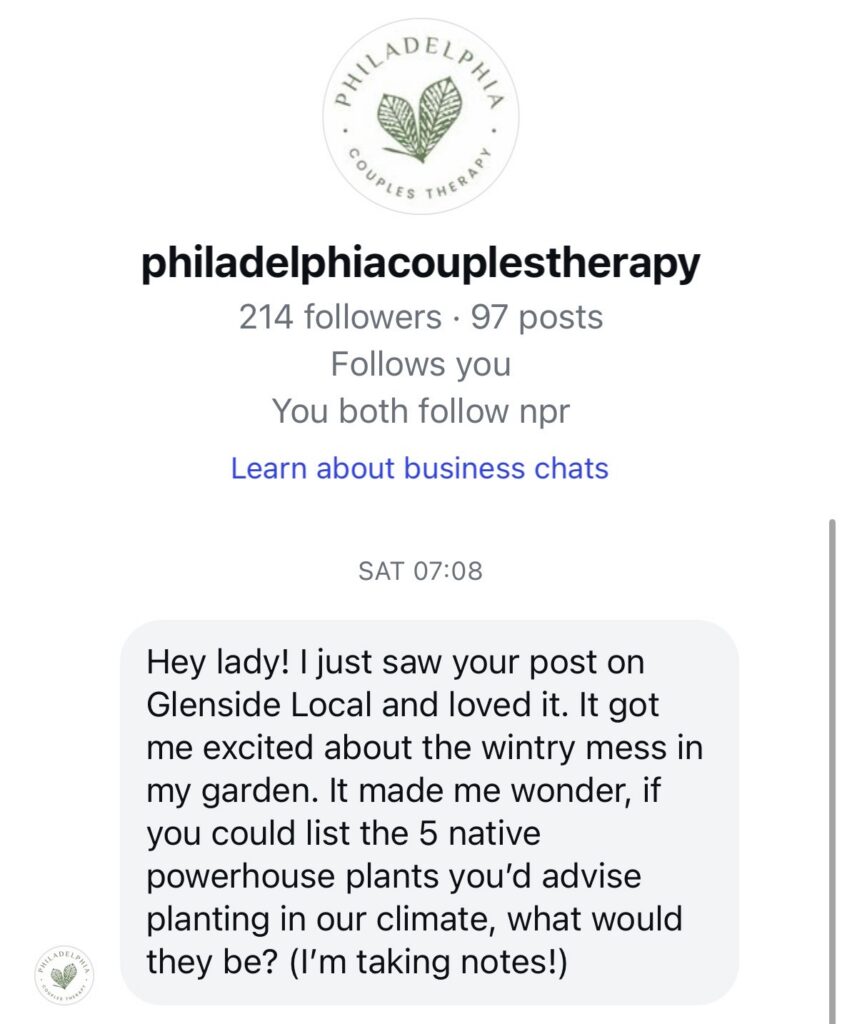
A single DM turned into this column, so keep them coming. What are you trying to solve this spring: shade, soggy soil, deer, bare spots, “more birds,” or “I want it to look nice with minimal effort”? Message me on Instagram and I’ll build future “mediocre gardener” shortcuts around real-life yards.
Yours in mediocrity, Edel
For more of The Mediocre Gardener’s column with Glenside Local, you can click here. For more on Primex Garden Center of Glenside, you can visit their website and Facebook page.
For all the latest news, follow us on Facebook or sign up for Glenside Local’s “Daily Buzz” newsletter here.
Photos: Edel Howlin
Comments are closed.