
Key Points
Winter compost doesn’t generate enough heat to remove contaminants.Don’t add animal waste and chemically treated grasses and weeds to winter compost.Keep winter compost going by layering basic green and brown materials in a 1 to 4 ratio and cover.
Composting in winter requires a different approach. The amount of heat generated is insufficient to break down certain materials due, in part, to reduced microbial activity. Certain materials can also add long-term adverse effects.
Here are examples of what to avoid in winter, including the number one item that could turn your black gold into a stinky, unusable mess.
How is Winter Composting Different?
Small compost piles in extremely cold environments may freeze and become inactive. Larger piles may continue to break down but at a slower rate, with activity only in the center. Turning and mixing isn’t practical and allows heat to escape.
Slower decomposition of food scraps can attract rodents and other unwanted critters. The pile may not generate enough heat to kill weed seeds or infected plant tissue, which could be transferred back into your gardens.
Cover Winter Compost
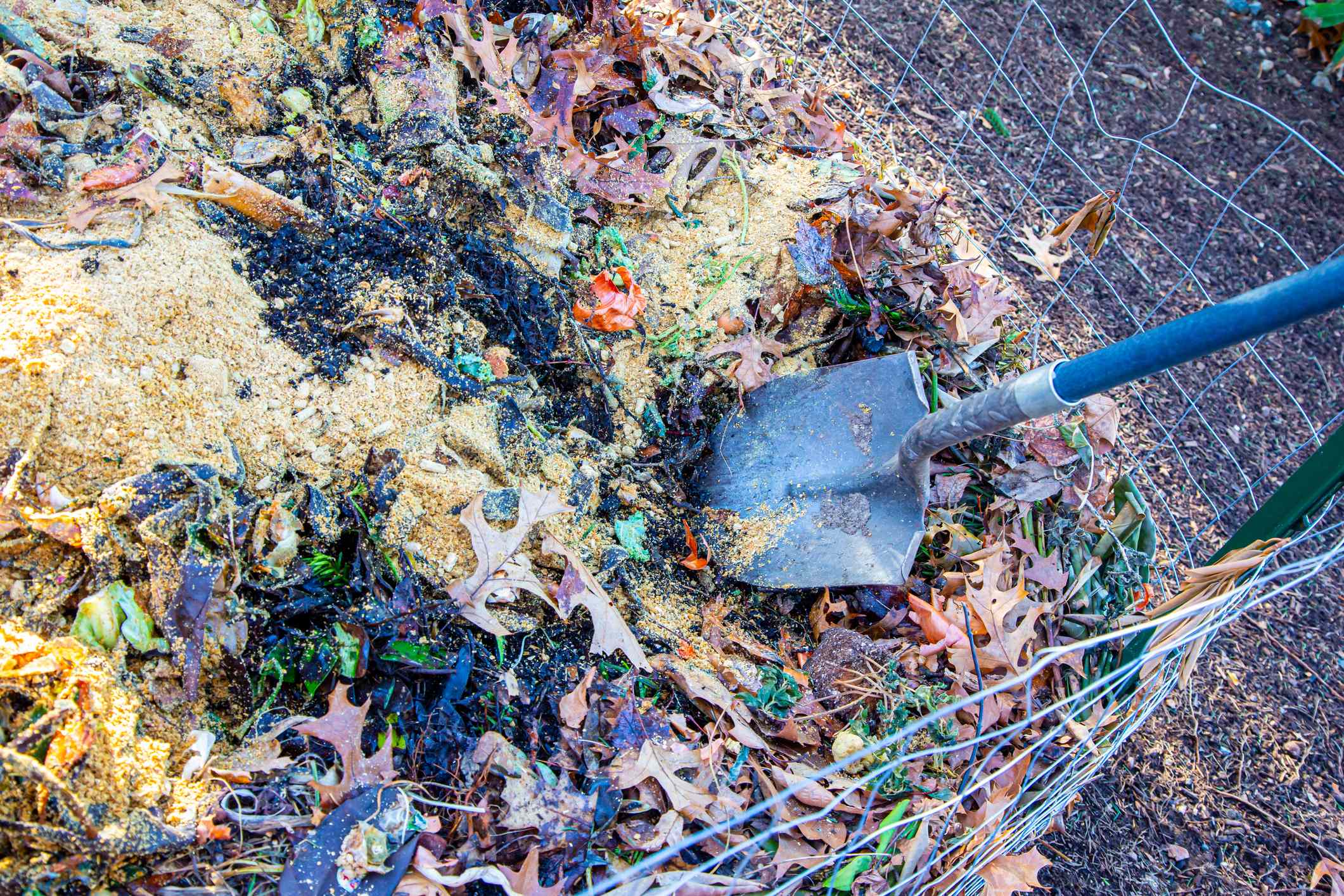
Cover compost during cold months to deter rodent pests and retain heat in the pile. Even if you don’t add new material, a cover protects against excess moisture.
Kitchen scraps will still be plentiful, but the ‘brown’ portion of your mix, including fallen leaves and dried grass, may not be as available. Too much green creates a pH imbalance, resulting in strong odors, lack of nutrient availability, and less microbial activity.
What to Avoid Composting in Winter
Eliminate problems by sticking to basic greens and browns using a ratio of four parts brown material to one part green material. Here are items to avoid.
Animal Waste
Animal waste includes manure from livestock and pets, along with discarded bedding, and can contain pathogens, parasites, and bacteria like E. coli. Winter compost doesn’t generate temperatures high enough to destroy these contaminants, which are harmful to soil, plants, and humans.
Sustained temperatures of 130°F to 160°F are necessary to destroy the eggs of insect pests. A late-season addition of free livestock waste in my own compost pile resulted in a green June beetle infestation that took a number of years to control.
Fly species, beetles, and cockroaches are just some of the pests attracted to animal waste that can multiply in low temperature compost.
Treated Straw, Hay and Turfgrass
Be selective about offers of free products like community mulches or used livestock bedding and manure from area farms.
If you purchase straw, ask if it’s been treated. Some herbicides used on pastures to improve forage don’t break down and can damage garden plants. Formulated to pass through the digestive tract of animals without causing harmful effects, they become concentrated in waste. Treated lawn grass should also be avoided.
Clopyralid, aminopyralid, and picloram are common ingredients in persistent herbicides. Infected compost can contaminate garden soil, causing distortion, stunting, and even loss of vulnerable plants, including tomatoes, peppers, beans, and some flowers.
9 More Items to Leave Out of Winter Compost
Reducing egg shells, citrus rinds, and paper products into smaller pieces makes them easier to break down. It also discourages the accumulation of excess moisture, which can lead to unpleasant texture and odor. Continue to layer in a 1 to 4, green to brown ratio on top of your pile. Turn it in next spring once warm temperatures return.
Meat, dairy, oils, and bones: Items attract pests and can develop and spread bacteria. The Bokashi method works for these materials, except for bones, which deteriorate extremely slowly and are best discarded.
Citrus peels and rinds: Whole rinds break down slowly, reducing microbial activity and lowering soil pH. Try chopping them into smaller pieces.
Whole, unwashed eggshells: Unwashed eggshells attract pests and, if left whole, are slow to decompose. Break clean shells into small pieces.
Weed seeds: Most weed seeds require sustained temperatures between 130°F and 150°F for at least seven days to prevent germination. Bag plants that have gone to seed and dispose.
Walnut hulls: Walnuts contain the chemical compound juglone, which inhibits the germination of many common garden plants. Composting leaves destroys juglone in 6 to 12 months, but hulls take much longer.
Infected plants: High temperatures are needed to destroy viral, bacterial, and fungal plant diseases. Burn infected plants or bag and dispose.
Excess alliums: Garlic and onions contain strong sulfur compounds, which reduce microbial activity when added in large quantities. Small amounts of kitchen waste are fine.
Coated paper: Plenty of papers are coated with a thin layer of plastic, including those tiny tags found on produce rinds and peels. The paper breaks down, leaving behind non-biodegradable microplastics.
Wood ash: Use sparingly. Too much raises pH and adds soluble salts to compost, rendering the mix too alkaline for most plants.
Comments are closed.