
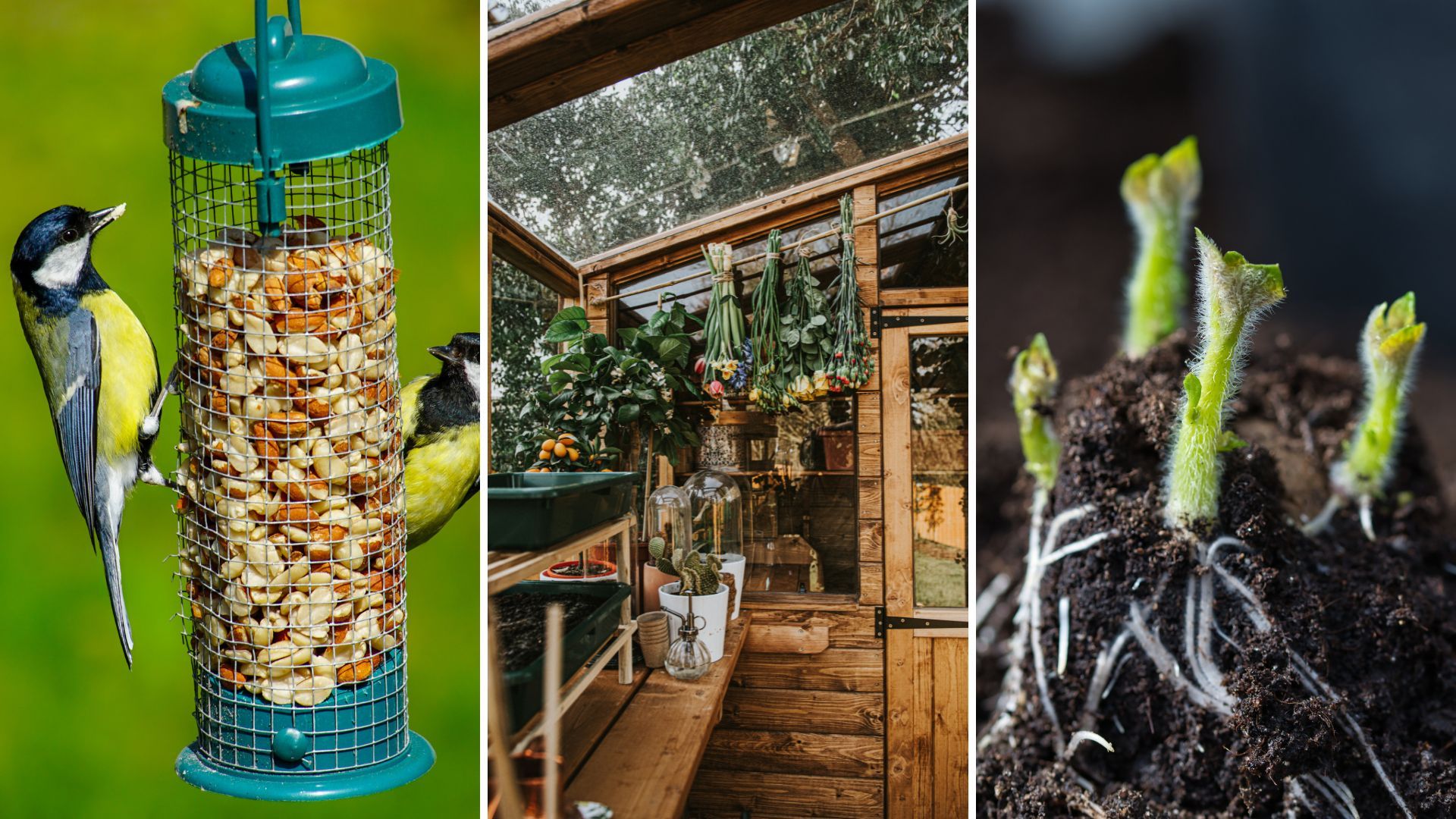
Whilst the rain and cold that come with the winter months aren’t exactly gardening motivation, there’s so much to be done at the beginning of the year. And February is no exception.
It’s time to crack out your gardening tool essentials and brave the winter weather. Although there might not be much growth in your garden at this time of year, there’s more than enough prepping, sowing and pruning to get done before spring rolls around and really picks things up.
Essential February gardening jobs
In the same way, there are various essential January garden jobs to get done, and February brings with it its own set of tasks and to-do lists.
These are the seven must-do jobs the gardening experts recommend you tick off this month…
1. Clean and tidy your space
(Image credit: Getty Images)
Aside from sorting your garden out more generally, some smaller tidying tasks will make a huge difference when you start getting busier in the garden.
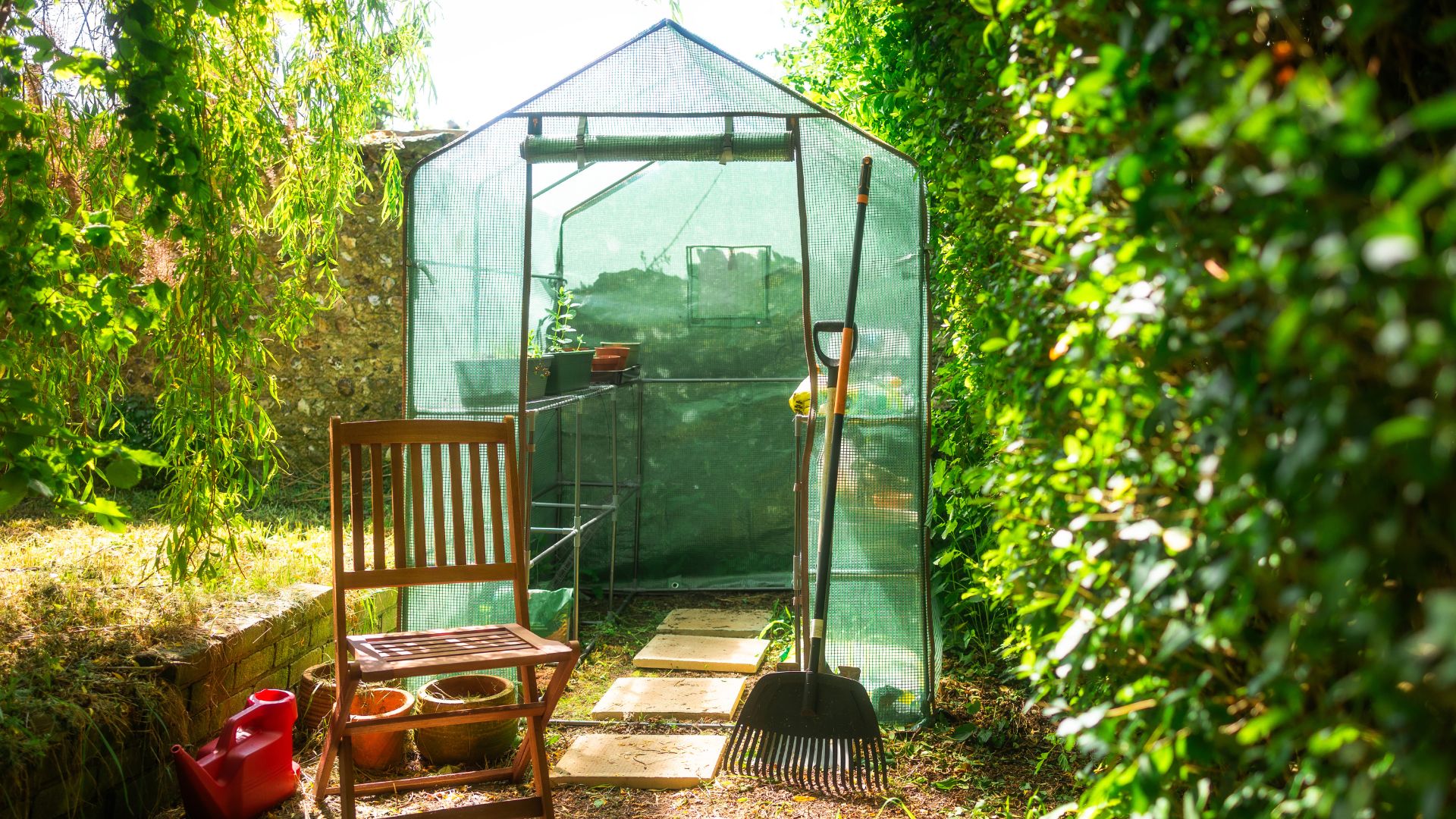
“February is the month to sterilise greenhouses and polytunnels ahead of propagation, and tidy up the garden after winter (especially if there have been storms),” starts Dr Russell Sharp, Founder of Eutrema.
“Clean and disinfect greenhouses and propagators, check heaters and grow lights are safe and accurate. Clean any grow lights with a cloth to remove dust (when turned off) and to prolong their lifespan,” he adds.
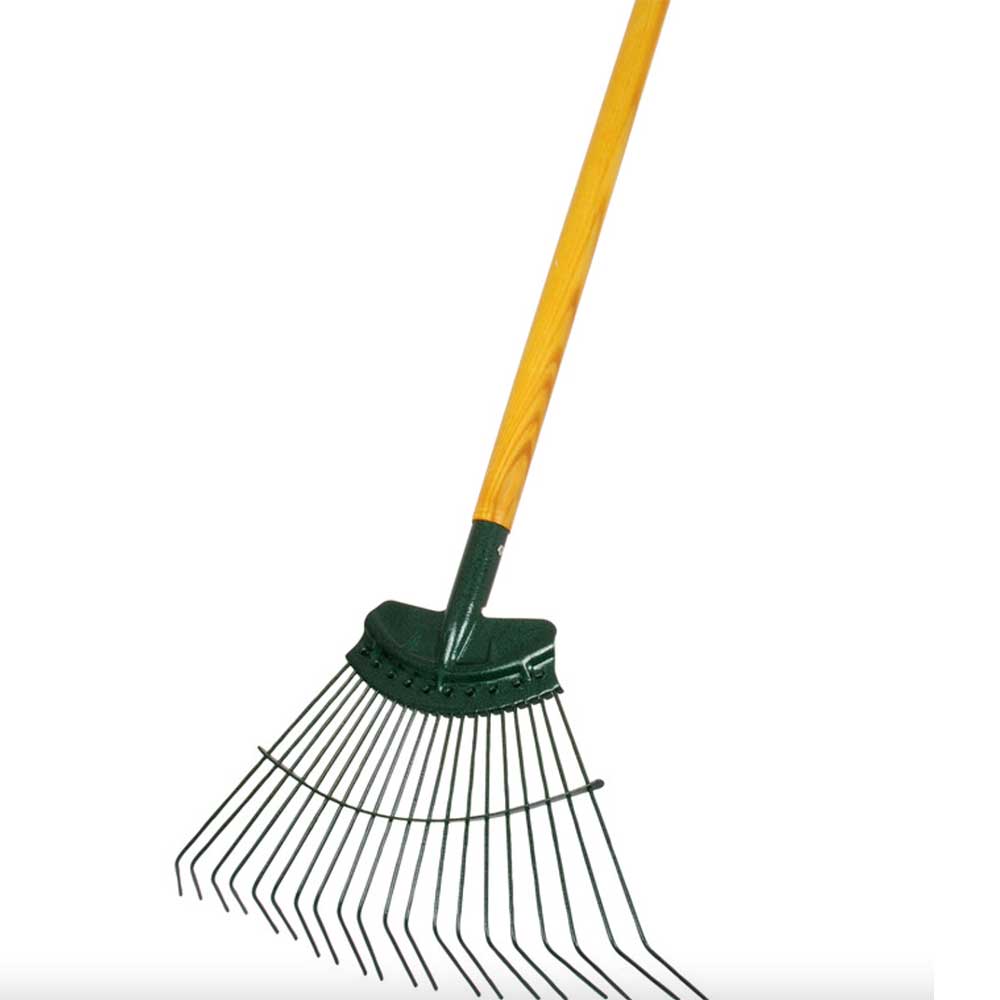
Garden rake
This model’s head has 20 oil-treated tines for extra strength, making it ideal for removing grass clippings, dead grass, moss, or leaves.

Composting bin
Outdoor Clip on Locking Lid Waterproof Waste Bin
Use this large compost bin for leaves or other kinds of larger garden waste. With a secure locking lid and waterproof finish, no mice or other pests will be able to get in.
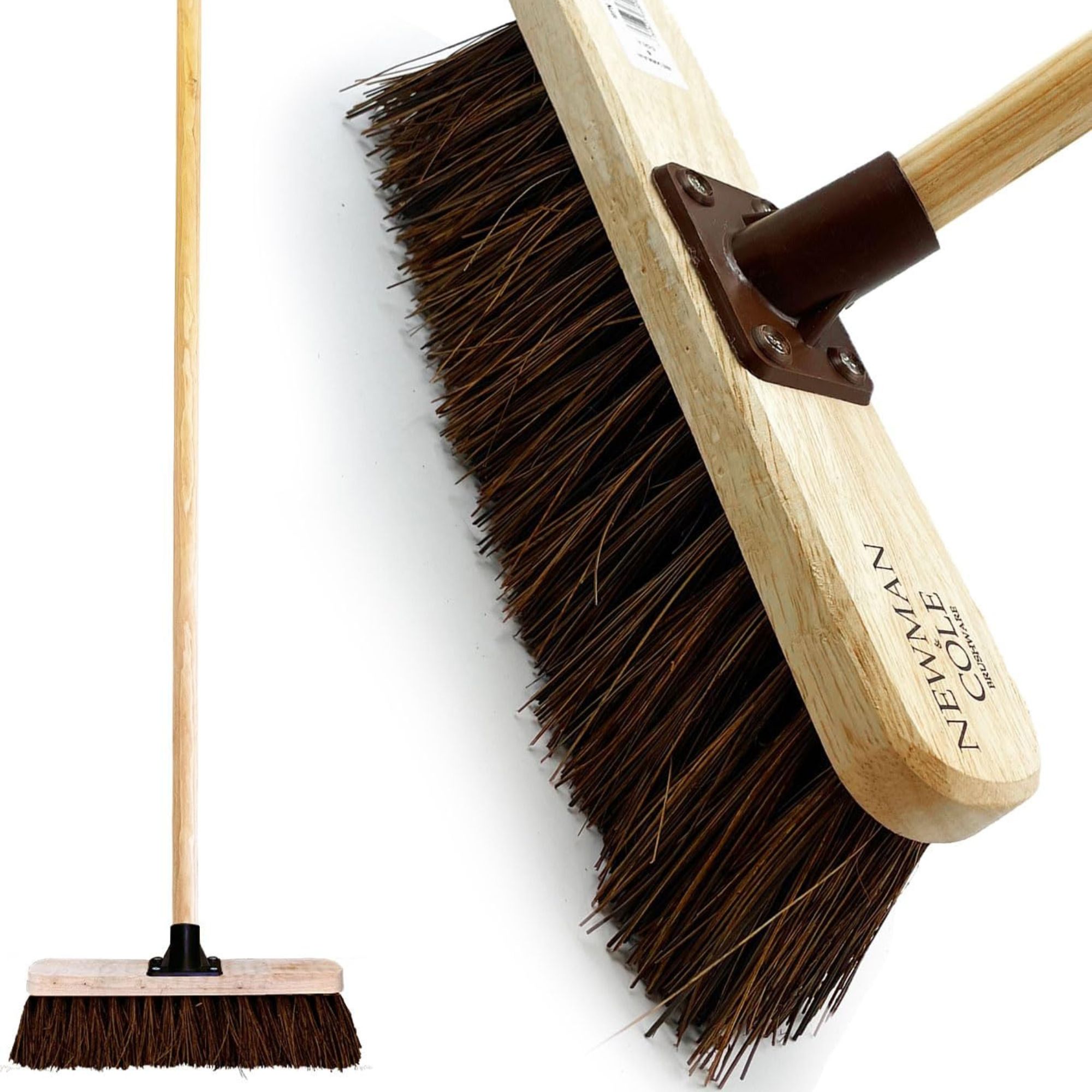
Stiff-bristled broom
12” Heavy Duty garden Brush
This high-quality brush will make quick work of various garden tasks, including cleaning away garden debris. With a support bracket and a thick wooden handle, sweeping will feel that much easier.

Dr Russell Sharp
Plant scientist and Founder of Eutrema
Dr Russell Sharp is a plant scientist and innovator, best known for developing the range of plant care products offered by his company, Eutrema. He previously served as Senior Lecturer in Horticulture at Moulton College and Northampton University, where he shared his expertise with the next generation of plant enthusiasts.
2. Plant bare root plants
Is this the year you learn how to grow roses? If so, February is a great time to get started and plant bare-root trees whilst you’re at it, too.
“Winter is a fantastic time to plant bare-root trees and roses, making February an ideal month to tackle this job while plants are still dormant. One top tip to help bare-root plants thrive is to soak their roots before planting, as they arrive without soil, and their roots can become vulnerable and dehydrated during shipping,” says Angharad James, Brand Manager at Maxicrop. “Soaking them helps rehydrate the roots and encourages them to start growing once planted.”
“While the roots are soaking – usually for around thirty minutes – prepare a hole in the earth that is wide and deep enough to give the root ball plenty of room to spread out. After soaking, place your plant in the hole, gently teasing out the roots, before backfilling with soil and firming it in to remove any air pockets. Water the plant thoroughly,,” she continues.
 Angharad James
Social Links Navigation
Brand Manager
With nearly a decade of experience in the horticultural industry, Angharad helps gardeners and plant-parents get the best from their plants, whether indoors or out. As Brand Manager for Baby Bio and Maxicrop at SBM Life Science, she specialises in helping plants thrive, from lush houseplants to vibrant flowers, productive fruit and vegetables, and healthy lawns.
3. Freshen up your borders
(Image credit: Getty Images)
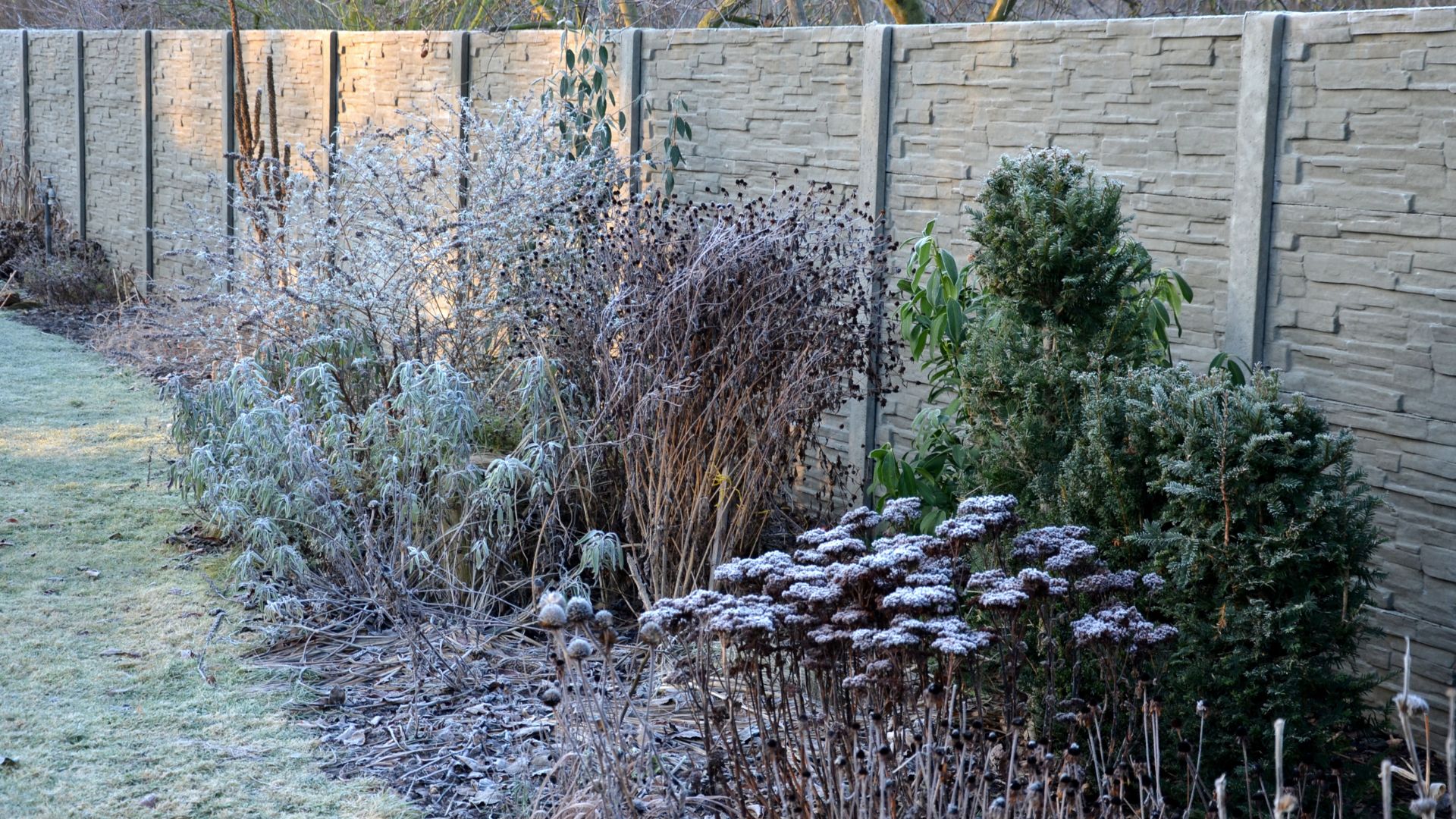
Adding garden borders to your space is a great way to transform your garden on a limited budget. They do, however, need to be maintained year-round, and February is no exception.
“Cut back last year’s dead growth in beds and borders to a few inches above ground level. I’d also recommend lifting and dividing herbaceous plants that have spread, replanting the healthiest pieces. When the ground is not frozen, mulch your borders using whatever organic matter is available, including homemade compost and leaf mould, or buy well-rotted horse or farm manure,” explains David Glass, Head Gardener at Bowood House and Gardens.
“Mushroom compost is particularly useful, as it contains no weed seeds. Mulching brings many benefits, including adding nutrients, protecting plants from frost, reducing weeds, and improving the soil’s ability to retain moisture during dry periods,” continues David.
 David Glass
Social Links Navigation
Head Gardener
David started his career in the agricultural industry before moving to horticulture. After receiving a diploma and training to HND (Higher National Diploma) level in agriculture at the University of Plymouth, David returned to work on his family farm for 11 years. After 20 years in agriculture, David turned to his other passion, horticulture. David joined Bowood in 2005 as a Garden Foreman, working closely with Rosie Abel-Smith as a gardening consultant.
4. Prune wisteria and apple trees
Knowing when and how to prune wisteria will ensure it grows impressively and stays as healthy as possible. However, it’s not the only plant you’ll need to prune in February.
“Wisteria should be pruned by the end of the month. All long shoots can be removed and cut back to two or three buds, which helps encourage flowering later in spring. Roses can also be pruned now to keep the plants in shape and maximise the number of blooms. I’d reduce shrub roses by about half, cutting back to an outward-facing bud, and remove any dead or weak growth. Old, unproductive stems are best cut back to the base to encourage new growth,” instructs David.
Wondering when you should be pruning your apple trees? February is also a great time to get this job done while you’ve got your loppers out.
“At this time, I’d also prune apple trees to thin growth, avoid overcrowding and improve airflow. Many soft fruits can be pruned, except those in the Prunus family, including plums, peaches, apricots and cherries. As a general rule, cut back autumn-fruiting raspberries to ground level, thin blackcurrants, and remove low branches. Redcurrants will also benefit from removing their congested stems to increase airflow,” explains David.
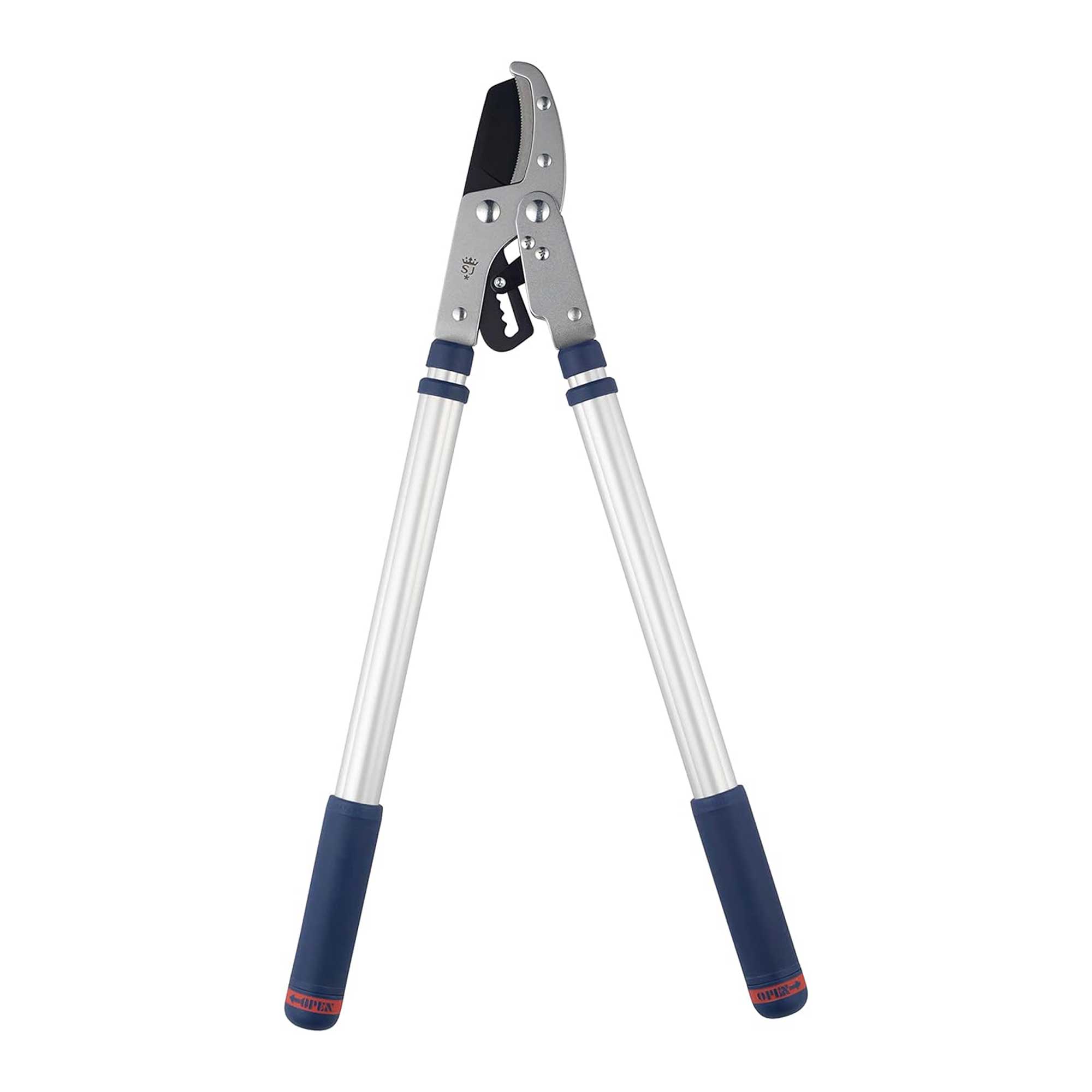
Extendable loppers
Ideal for cutting tougher stems, these loppers have durable, rust-resistant, carbon steel blades and an extendable mechanism. They’re a particularly useful tool for taller apple trees.

Protective Gloves
These gardening gloves have been awarded ‘Amazon’s Choice’, and it’s easy to see why – they’re breathable, comfortable, and stylish.
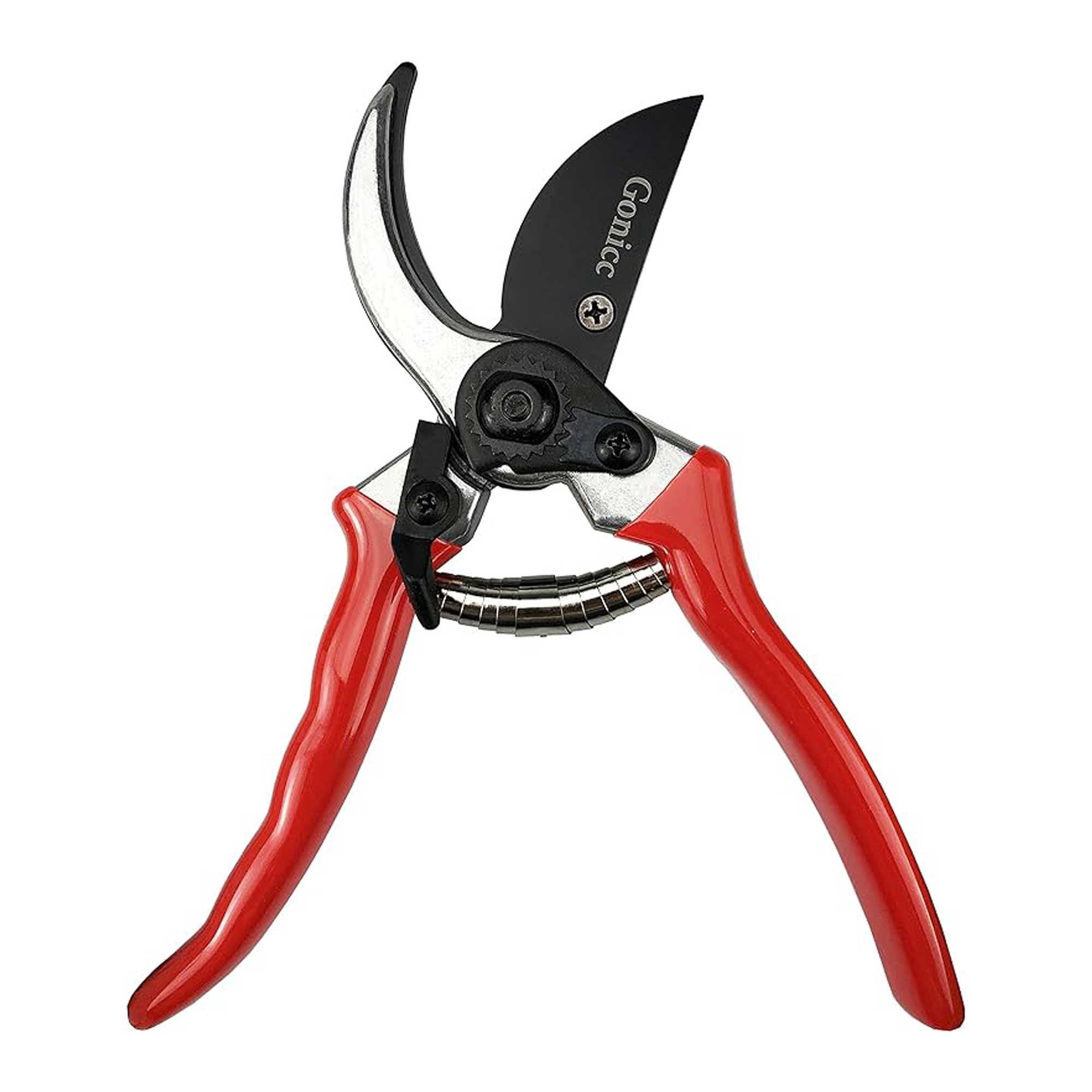
Essential tool
These popular secateurs have over 8,000 5-star ratings on Amazon. They feature a carbon steel blade and lightweight, non-slip handles, making pruning and deadheading easy.
5. Chit potatoes
(Image credit: Getty Images)
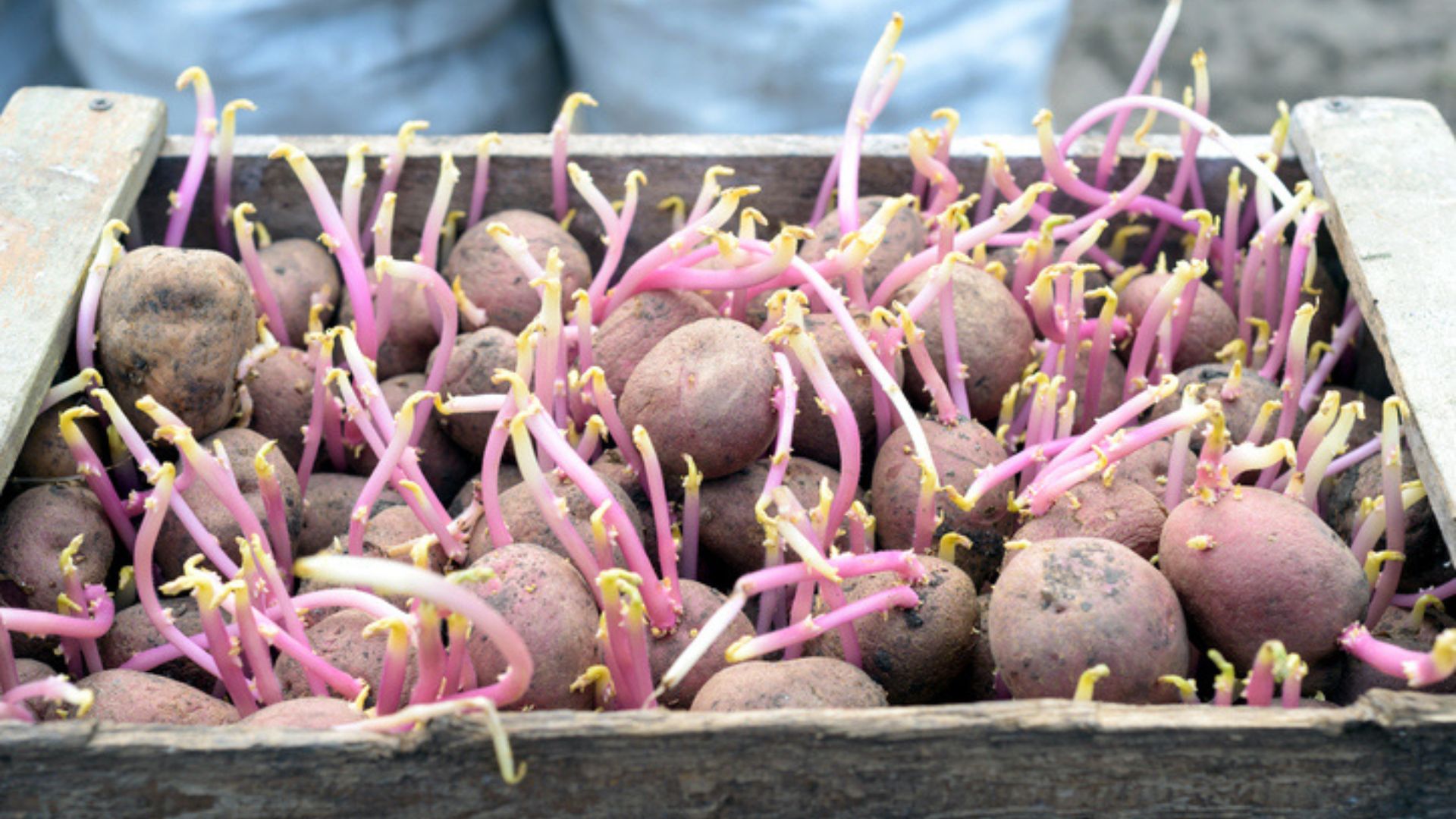
Whether you’re starting vegetable gardening for beginners or have been growing your own food for years, February is a great time to get started on your potatoes.
“If you are growing early potatoes, these should be chitted before planting in a light, frost-free area. Chitting potatoes refers to allowing the potatoes to start sprouting shoots, and it can also be done for maincrops too,” says Richard Barker, a horticultural expert from LBS Horticulture.
 Richard Barker
Social Links Navigation
Horticulture expert and Commercial Director
With 4 years in the industry, Richard is an expert in horticulture and the commercial director at LBS Horticulture. He is keen to share his knowledge with both experienced and beginner gardeners, and prides himself in keeping up to date in the latest horticultural trends.
6. Plant spring bulbs
It’s important to know when to plant your spring bulbs, as getting the correct timing will mean you’re met with colourful blooms once spring arrives.
“As long as there is no frost in the ground, planting spring-flowering bulbs will create a beautiful display of seasonal flowers once winter is over. You can also create bulb lasagnes, using bulbs that flower at different times, to ensure your garden stays full of colour for months to come,” says Chris Bonnett, Founder of GardeningExpress.
 Chris Bonnett
Social Links Navigation
Gardening expert and Founder
Chris is the founder of the online garden centre GardeningExpress and has been in the horticulture industry for over 20 years. Whilst he was young he combined his passion for the outdoors with the internet to deliver quality plants across the UK and Europe.
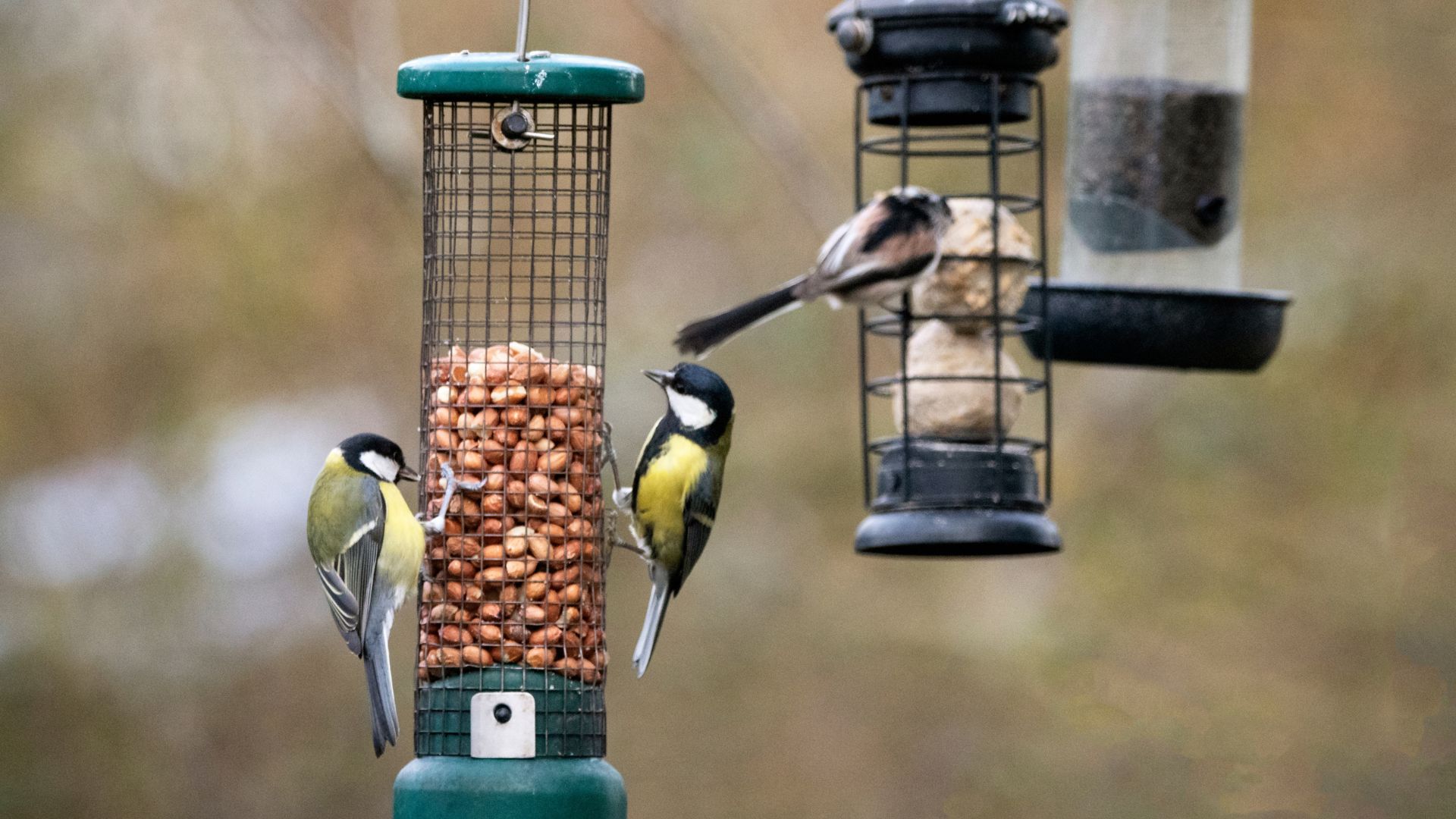
7. Supporting birds and wildlife
(Image credit: Getty Images)
Taking the time to help garden wildlife in autumn and winter won’t just attract more birds and animals to your garden, but it’ll also improve the ecosystem of your space.
“During the winter months, birds are often searching for food when many plants have lost their flowers and berries. It’s important to support them and help them survive the winter so they can enter the breeding season in good condition,” recommends Chris.
“Incorporating evergreen berry-producing shrubs into the garden is a great way to attract and support birds, and you can also provide seeds and fresh water daily to ensure they are well cared for.”
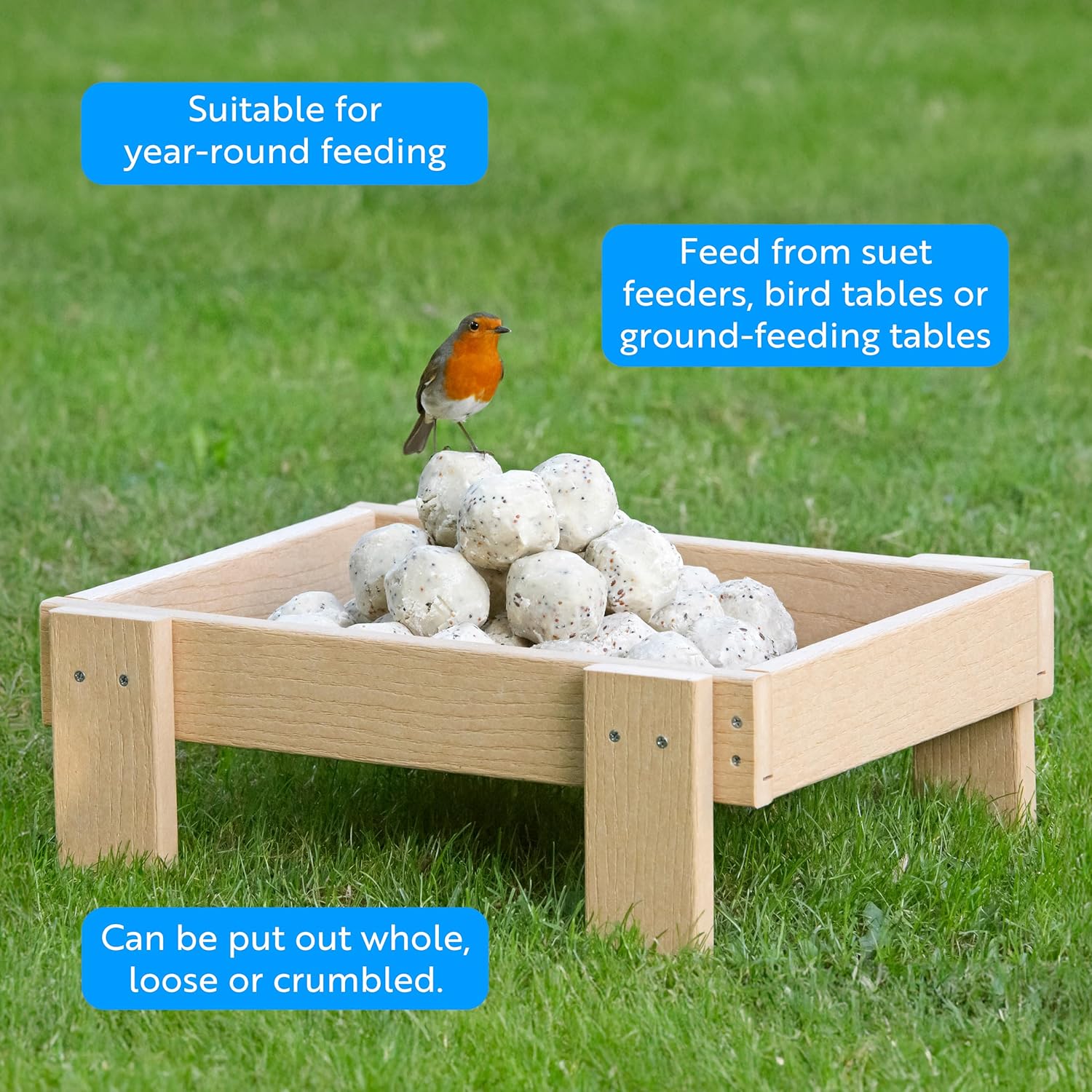
RSPB food source
This pack of 6 fat balls provides brilliant energy-rich treats for all birds with a nutritious blend of suet, wheat flour, peanut flour, millet seed, rapeseed and linseed.
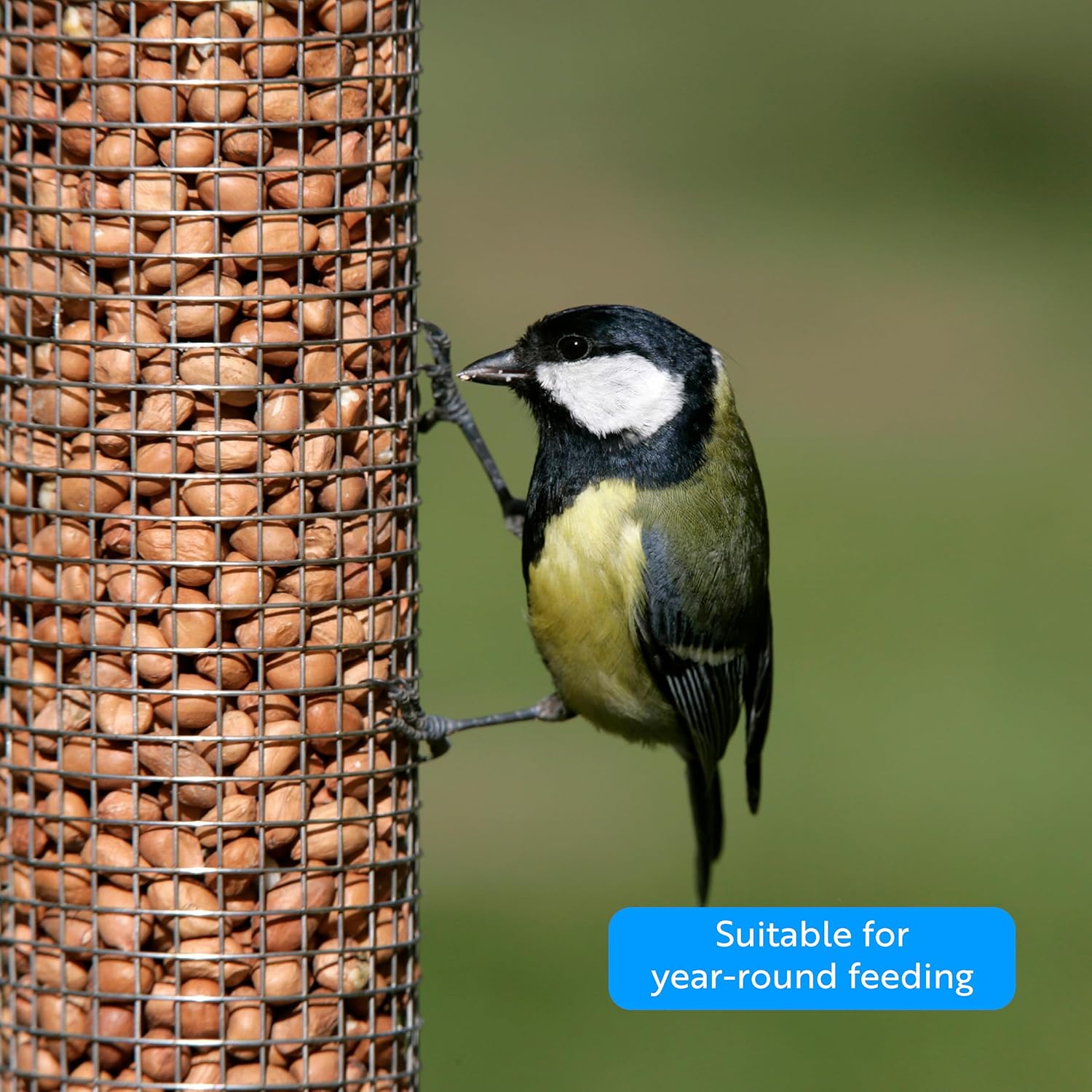
Safe unsalted peanuts
RSPB
Premium Peanuts 900 Grams
The best way to feed birds peanuts is to use a trusted source that doesn’t contain any salt, such as these best-selling RSPB premium peanuts.
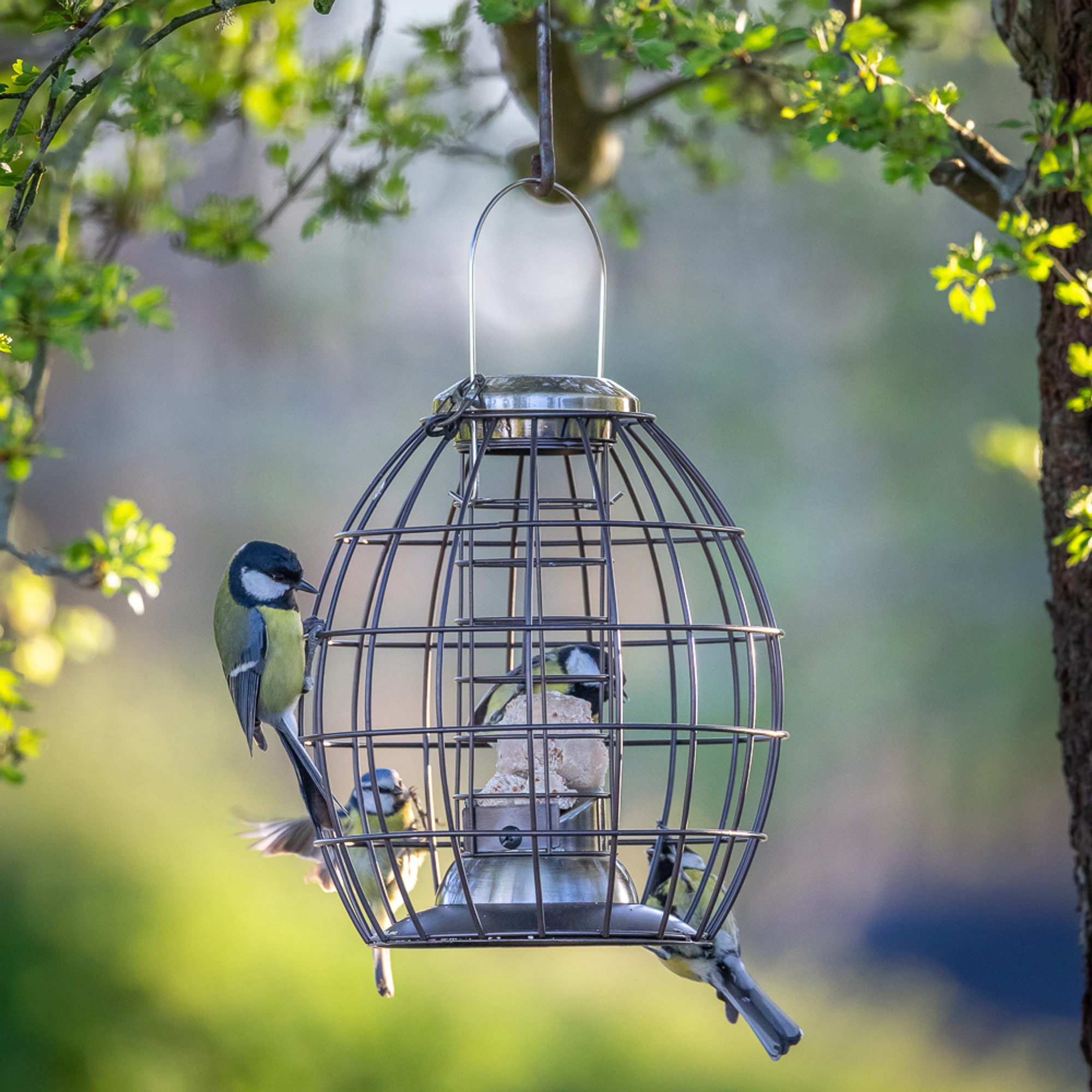
Squirrel-proof
Sarah Raven
Squirrel Proof Fat Ball Feeder
Entice birds into your garden by providing a safe space to perch and eat, a place free from squirrels eating their food.
FAQsWhat to sow in February in the UK?
Aside from the things you can plant in February, there are also a few seeds you’ll need to sow at this time of year, too.
“Prioritise undercover sowing and choose crops that handle cool light levels. I start onions and leeks, broad beans, early peas or pea shoots, lettuce and salad mixes, spinach, kale and cabbage, spring onions and parsley, along with ornamentals such as sweet peas and hardy annuals like cornflower and calendula; tomatoes can begin late in the month with consistent heat inside a propagator,” says Dr Russell.
“Use a fine, free‑draining seed compost, sow thinly, give 12 to 14 hours of good light, and water sparingly. Begin feeding only once the first true leaves appear with a mild plant feed at quarter strength, and consider biostimulants such as seaweed to boost early root vigour.
Keep trays around 15 to 18°C for most crops, warmer for tomatoes and chillies, and ventilate to limit damping‑off,” he continues.
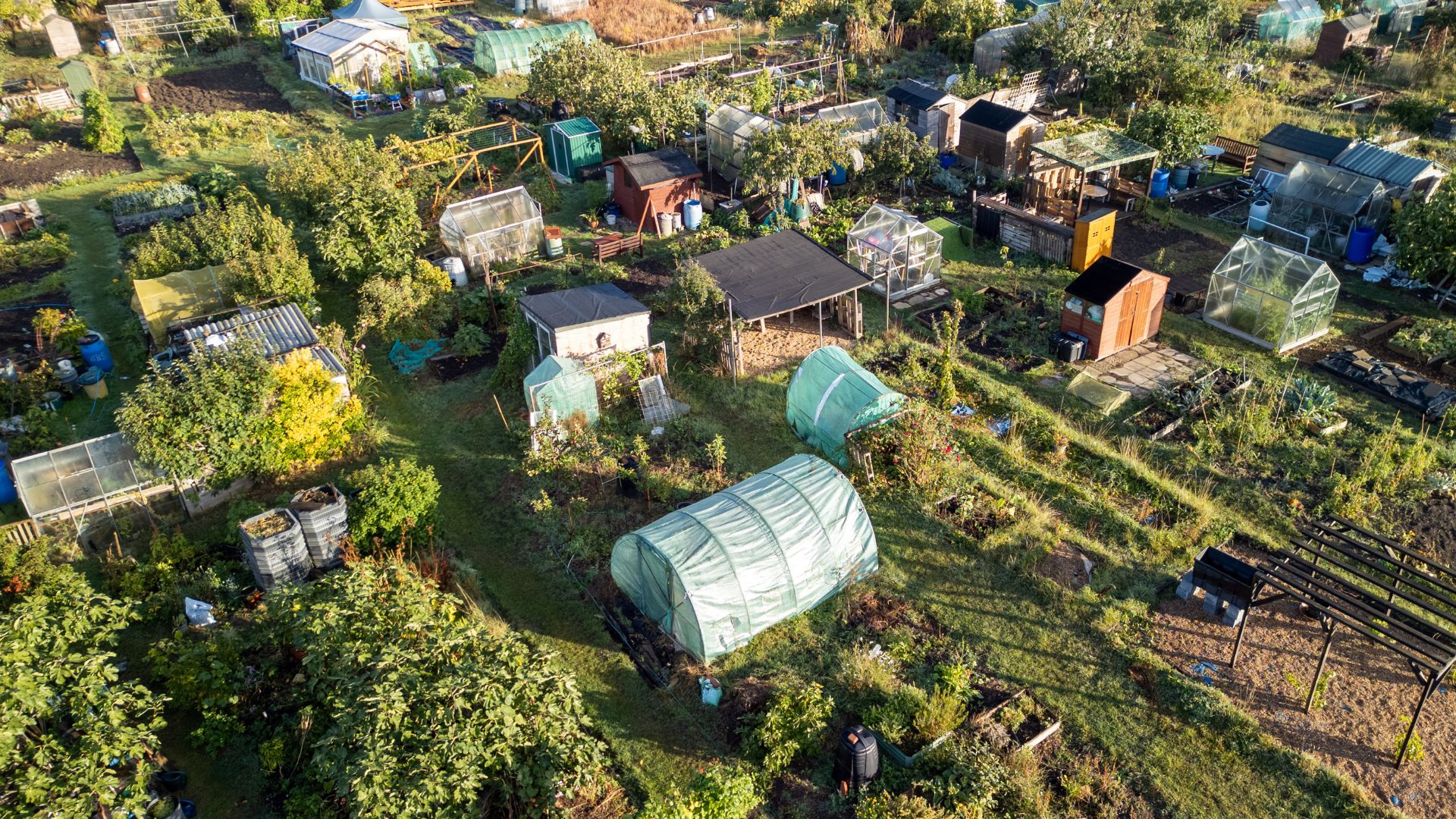
What to do at the allotment in February?
If you’re lucky enough to have an allotment spot in your local community, there are plenty of February gardening jobs to be done there this month. “The best work at the allotment in February is groundwork when the soil is workable and a protection plan for young plants,” suggests Dr Russell.
“Top‑dress beds with compost or mulch, cover bare soil to warm and dry it, and set up hoops, cloches and fleece now so they are ready for cold nights. Prune currants and gooseberries, tie in raspberries and blackberries, and repair supports and paths to improve drainage and access.” He also recommends starting modules of brassicas, peas and beans at home to transplant into your plot later.
“Protect against pigeons while managing slugs with a drench of Slugger; reserve biologicals such as nematode biological pesticides until soils are reliably above about 10°C. Lay out paths and boards to avoid compacting wet areas and plan where water will flow off beds after heavy rain. Hold off fertiliser until growth picks up in late March,” adds Dr Russell.
(Image credit: Getty Images)
While you needn’t cross off everything on this list urgently, there are a few winter gardening mistakes you need to avoid in the process.
Comments are closed.