
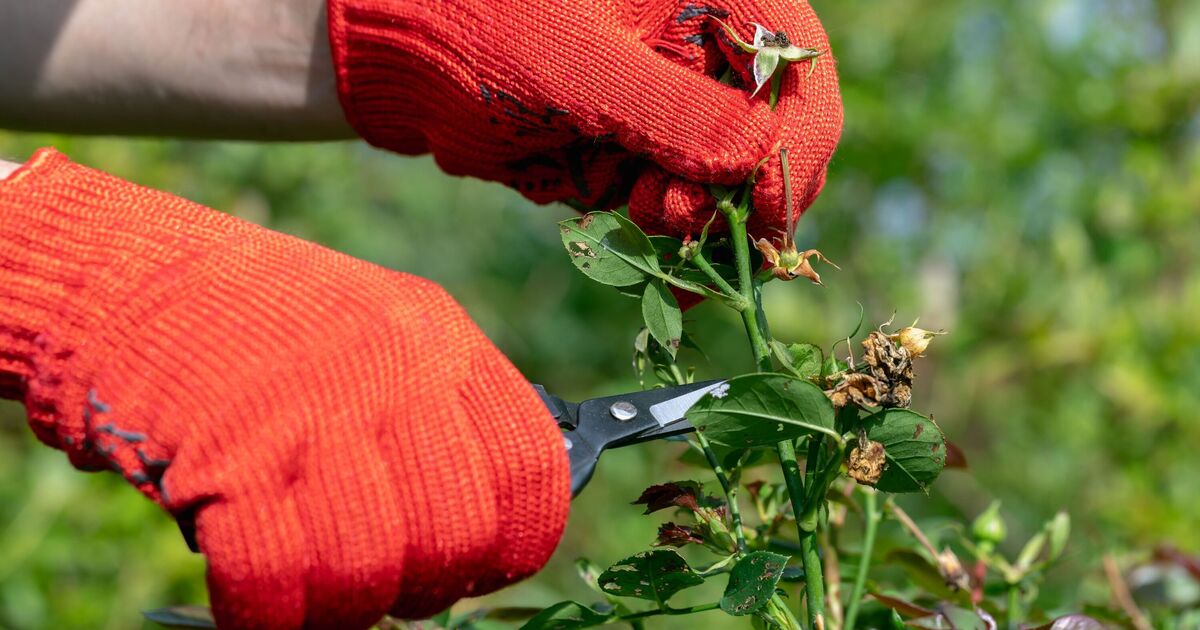
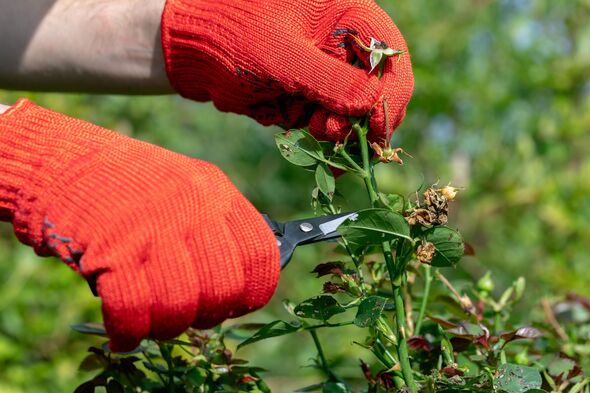
Monty Don always prunes 3 popular plants in February to get ‘extra flowers’ by summer (Image: Getty)
Pruning is an excellent method to keep your plants in top shape, with the primary aim being to remove any dead, dying or diseased wood to encourage vigorous growth. Given that most woody plants enter a dormant state during winter, along with many diseases and pests that could infest pruning wounds, choosing to prune in the colder months can help prevent infections in freshly cut trees and shrubs.
In his February blog post, Monty Don offered invaluable advice on pruning specific plants. The gardening guru wrote: “Pruning should be completed whether for roses, fruit trees or remedial pruning of outgrown hedges or shrubs. There are a number of pruning jobs that can be done in February if you live in the south of the UK.”
Read more: Magpies will never get close to gardens with simple item they see as ‘dangerous’
Read more: Hydrangeas give you ‘glorious blooms’ yearly if you stop making common mistake
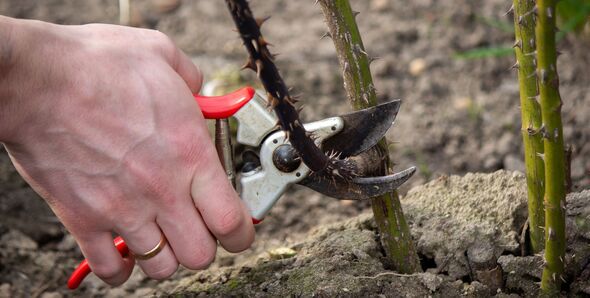
When it comes to pruning, Monty emphasises that gardeners should “always” use ultra-sharp tools (Image: Getty)
When it comes to pruning, Monty emphasises that gardeners should “always” use ultra-sharp tools. He explained: “Not only does it make life much easier, but it also makes for much cleaner cuts and therefore causes less damage to the plant. Sharp tools are also much safer.”
1. Roses
Despite widespread misconceptions about pruning roses, Monty clarified that they are all hardy shrubs that “can take a mauling by anything” from secateurs to a flail cutter and still bounce back. However, there are “three considerations to bear in mind” when pruning roses.
According to Monty, these require “very little pruning”, and a quick trim with a hedge trimmer has proven to be “very effective”. He continued: “I prune mine in winter and early spring by removing exceptionally long growth, damaged or crossing branches and then leave alone. There is a strong case for doing this in late summer or early autumn.”
This category can be divided into two distinct groups. The first encompasses true climbers, which usually feature single, substantial blooms that flower from early summer well into autumn.
Monty suggested: “These should be pruned in autumn or winter, aiming to maintain a framework of long stems trained laterally with side branches sprouting from them. These side branches will bear the flowers on new growth produced in spring. Ideally, a third of the plant is removed each year – the oldest, woodiest stems – so that it is constantly rejuvenating itself.”
The second category comprises ramblers that yield clusters of smaller flowers only once in mid-summer. The expert counselled: “These require minimal pruning but should be trained and trimmed immediately after flowering as the flowers are mostly borne on stems grown in late summer.”
2. Clematis
Monty disclosed that late-flowering clematis varieties can all be cut back hard from mid-February onwards. This collection includes clematis jackmanii, clematis viticella, Gypsy Queen, Hagley Hybrid, Perle d’Azur and Ville de Lyon.
Monty explained: “They all flower on growth made in spring, so all the previous year’s growth should be cleared away now. I always cut down to about two feet from the ground, leaving at least two healthy pairs of buds.”
3. Buddleias
For those residing in the south or a sheltered location, February is “the best time to prune the butterfly bush”, buddleia davidii, whilst those in colder areas can prune anytime within the next month.
As it produces flowers on new growth, cutting it back hard now, just as it begins to grow, will “stimulate new shoots and extra flowers”.
If a plant is growing freely in an open space, Monty suggested it can be pruned back substantially, leaving only two or three sets of new shoots from the base.
However, for plants growing within a border, he recommended cutting back to approximately two or three feet from the ground. This method ensures that the new growth doesn’t have to compete with neighbouring herbaceous plants for light and air.
Comments are closed.