
Walker: The charm of passalong gardens
Published 10:23 pm Saturday, January 31, 2026
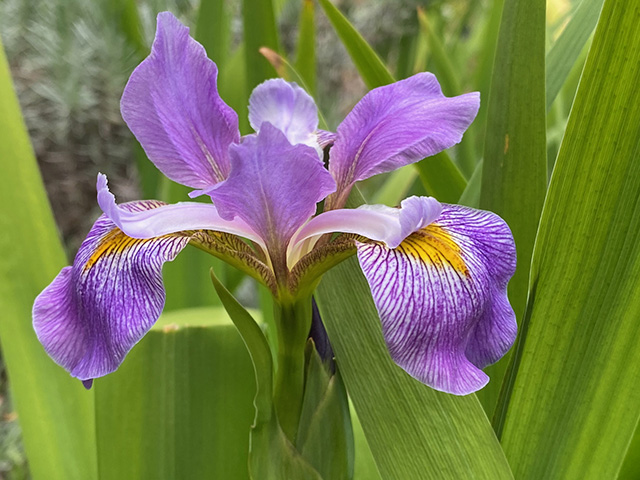
My name is Iris, and I have lived many lives.
I first bloomed decades ago beside a farmhouse fence, where my roots learned the rhythm of East Texas rain and heat. I survived long summers, sudden freezes, and years when no one remembered to water me at all. One spring morning, a gardener knelt beside me, gently lifted part of my rhizome, and carried me to a new home. That was my first journey as a passalong plant.
Passalong gardens are built on stories like mine. They are gardens filled not just with plants, but with memory, resilience and community. Instead of starting life in a plastic pot from a garden center, passalong plants begin as gifts, shared between neighbors, friends, and family members who know their value.
From my leafy point of view, this sharing makes perfect sense. Plants like me thrive because we are already adapted to our environment. We know the soil. We understand the rainfall. We have proven we can survive. That is a principle long encouraged by research-based guidance from Texas A&M AgriLife Extension, which promotes using well adapted plants that require fewer resources and less maintenance.
When gardeners share plants, they are quietly practicing Earth-Kind values, even if they do not call it that. Sharing reduces waste, conserves water and limits the need for fertilizers and pesticides. A passalong plant rarely needs coddling. We settle in, stretch our roots, and get to work growing.
I have been divided many times since that first move. I have watched children grow up beside me, dogs nap in my shade, and new gardeners learn patience as they waited for my first bloom. Each time I was shared, I carried knowledge with me. “This one likes morning sun,” the gardener would say. “It blooms better if you leave it alone.” That wisdom is just as important as the plant itself.
Texas A&M horticulture educators often emphasize that gardening is as much about observation and stewardship as it is about planting. Passalong gardens embody that idea beautifully. They reward patience. They encourage learning. They remind gardeners that success does not always come from buying something new, but from nurturing what already works.
Many of my companions in these gardens have similar stories. Daylilies passed down for generations. Antique roses with names long forgotten. Spider plants that have lived on kitchen windowsills for decades. None of us are flashy or trendy, but we are dependable. We bloom when expected. We forgive missed waterings. We show up year after year.
From where I stand, rooted firmly in East Texas soil, pass along gardens are about trust. Gardeners trust plants that have already proven themselves. Plants trust gardeners to share them wisely. Together, they create landscapes that are resilient, sustainable, and deeply personal.
So, the next time someone hands you a plant wrapped in newspaper or tucked into a bucket, remember this. You are not just receiving a plant. You are becoming part of a story. And if you listen closely, as the roots settle in, you might hear us whisper, “We’ve done this before. You’re going to do just fine.”
— Smith County Master Gardeners are volunteer educators certified and coordinated by the Texas A&M AgriLife Extension Service.
Karen Walker
Smith County Master Gardener
Comments are closed.