
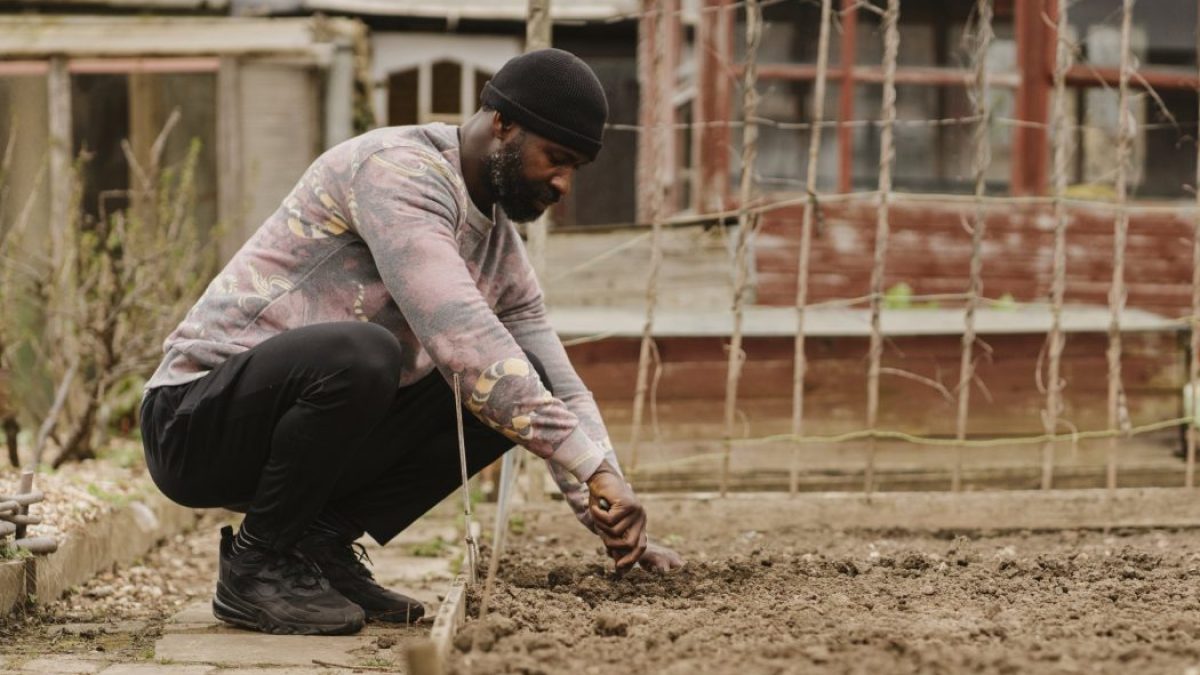
Some vegetables can be planted from late winter as tubers, bulbs (sets) or young dormant plants (crowns) as soon as the soil is dry enough. They get a useful head start over seed-raised plants.
Seed potatoes are on sale now and it is worth buying early – and not just to get the seed tubers you want. Placing the tubers with buds or eyes uppermost in an egg tray and leaving in a cool but not cold, light place induces new shoots – a process called chitting.
New FeatureIn ShortQuick Stories. Same trusted journalism.
Chitting “ages” tubers so that the resulting plants mature early. This is ideal for getting early potatoes as soon as possible, and allows later spuds to mature before blight disease arrives in late summer.
Early potatoes such as “Casablanca” and “Accord”, which mature in June/July from March planting, are especially rewarding, but their early foliage will probably need some frost protection, such as a double layer of fleece, until mid-May.
Second-early potatoes, especially the firm-textured, finely flavoured salad types such as “Anya”, are good garden crops.
Maincrop potatoes maturing from September are liable to blight disease and are arguably best left to farmers. However, strongly blight resistant varieties such as “Java” are very productive garden choices.
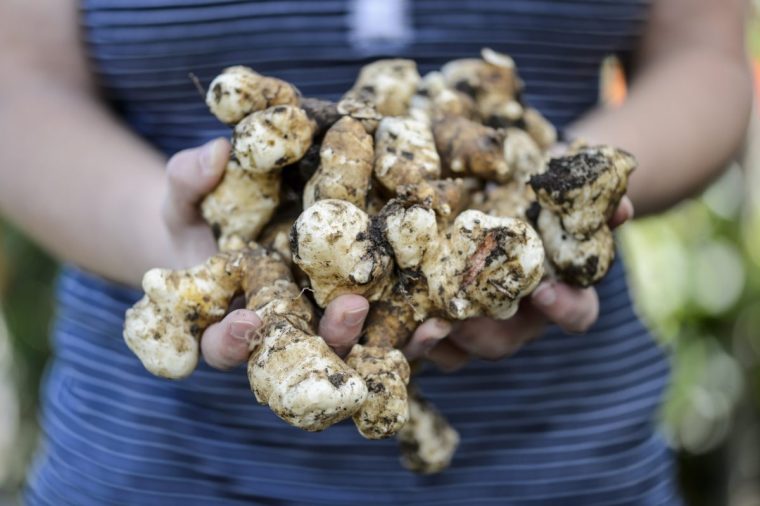 Harvesting Jerusalem artichoke at RHS Hyde Hall. They make an interesting change for winter roasts and soups (Photo: Jason Ingram/RHS)
Potatoes grow really well in large pots filled with peat-free compost. Plant one tuber per 45cm diameter pot.
Sweet potatoes are tricky, as the tubers form late, just before winter arrives. Order unrooted cuttings, called “slips”, now. Alternatively, plant a supermarket tuber in a warm place now and take your own cuttings later, after it sprouts.
After rooting the cuttings in a pot of peat-free potting compost under a plastic bag on a window sill, set the rooted plants outdoors from late May.
Most onion and shallot sets can be planted as soon as the soil is dry enough in February. Place them with the tip just showing. Covering with horticultural fleece prevents birds from tugging them up and gives the crop a mild boost.
Be warned: don’t plant red onion sets or heat-treated ones early, because these are very prone to premature flowering if planted before April. For a quality home-grown onion, consider “Pink Panther”, which has large, flat, pink tinged bulbs in the style of Brittany onions.
Garlic needs a period of cold after planting to make good bulbs. Aim to plant as early as feasible. Plant as you would onion sets.
Asparagus is one of the few vegetables to crop in April, May and early June, so plant as much as you can. Crowns or dormant plants, usually about a year old, are the most practical way to start asparagus. To plant, make a shallow trench about 20cm deep and 30cm wide, with a raised central strip 10cm high, on to which the crowns are placed 30cm apart with dormant bud uppermost. Replace the soil to just cover the crowns so the bud just shows. Delay cutting until the crowns have been growing for two years to get a strong, long-lived bed.
Jerusalem artichoke and Chinese artichoke, both very hardy and useful in moderation, should be planted now, before they start to grow.
Jerusalem artichokes make an interesting change for winter roasts and soups. A square metre is enough for most people. Chinese artichokes produce finger-sized, coiled white roots with a nutty flavour when boiled or steamed. Unlike Jerusalem artichokes, they don’t have to be lifted and replanted every year and can just be left to grow, with occasional harvesting as required.
The RHS is a charity inspiring everyone to grow via its research, advisory, outreach, shows and gardens. For more information, visit: rhs.org.uk
Comments are closed.