
Planting and pruning of deciduous fruit trees are priorities for winter.
Evergreen fruit trees are not as much of a concern. For them, planting and pruning should happen after winter.
However, most citrus trees are most productive with their summerish fruit through winter. Oranges, lemons, limes, Mandarin oranges, grapefruit and more are ripening about now.
With the exception of Mandarin oranges, most citrus fruits are impressively durable.
Most can last for months on their trees, which is likely why they seem so summerish.
Mandarin oranges have loose skin, which causes them to oxidize faster than the others.
“Valencia” oranges, though, can linger for a year after ripening. They actually sweeten as they age.
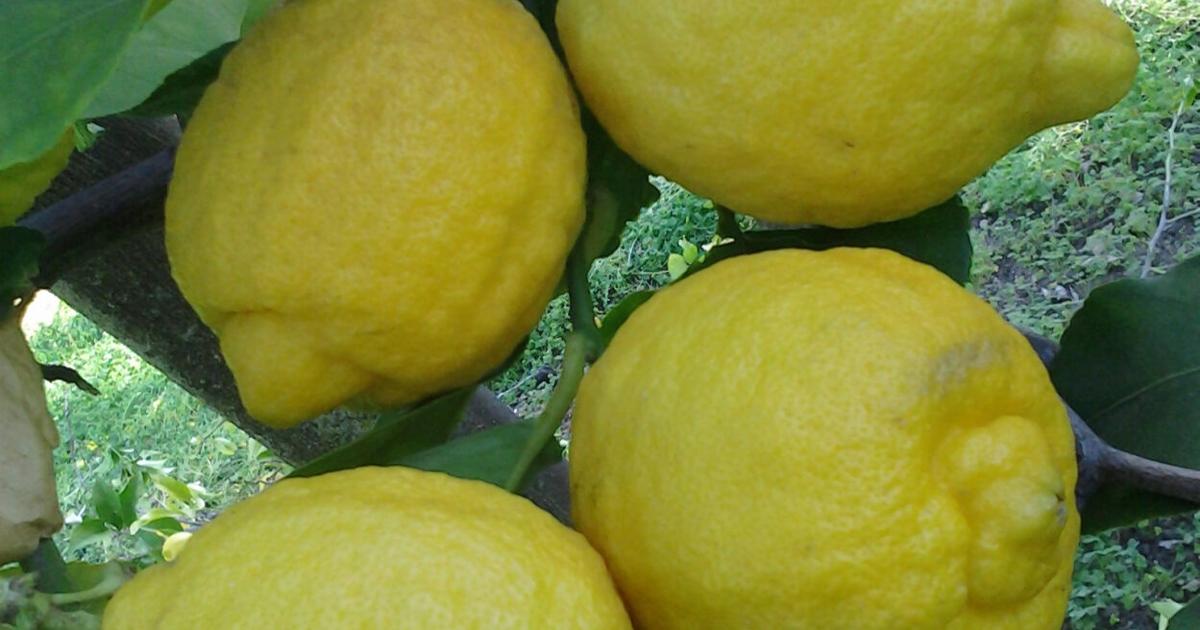
Also, some cultivars of citrus extend their production with sporadic fruiting. While “Lisbon” lemon fruits only for winter, “Eureka” lemon fruits more sporadically.
Eureka is actually a cultivar or cultivated variety of Lisbon. Although a bit less productive in season, Eureka produces several fruits out of season. It rarely disappoints by failing to provide a few fruit.
Oranges and lemons are the most familiar of citrus. They are surprisingly diverse though. “Meyer” lemon is almost as acidic as other lemons, but with a richer flavor like an orange.
Most oranges are dessert oranges for eating out of hand, but Valencia is for juice. Blood oranges are for juicing, but “Moro” is a dessert orange. Sour oranges are for marmalades.
Mandarin oranges that developed in the Americas formerly classified as tangerines.
Now they seem to qualify as Mandarin oranges, like more traditional Mandarin oranges.
They collectively might be the most diverse class of popular citrus. More cultivars of Mandarin orange are available than the others. “Rangpur” lime is actually a sour Mandarin orange.
There is so much variety among citrus. Besides oranges, lemons and Mandarin oranges, there are too many to list. Grapefruit, limes kumquats, pomelos, calamondins and citrons are a few examples.
Limequats are hybrids of limes and kumquats.
Tangelos are hybrids of grapefruit and Mandarin oranges. Orangequats are hybrids of oranges and kumquats.
Blood orange
As weird as they seem, blood oranges are a class of common orange, Citrus X sinensis.
Their fruit may resemble common sweet oranges externally, or may be blushed with red. Internally, the flesh exhibits red streaks or blotches, or is more uniformly garnet red.
Cool autumn weather enhances red fruit color. “Tarocco” may not develop any red color locally.
“Sanguinelli” is likely the most popular cultivar here. It produces relatively small fruits with peachy external blush. Their trees are relatively large and upright.
Moro produces larger unblushed fruits with darker and more uniformly red flesh. Their trees are relatively broad and low. While Sanguinelli is more of a juicing orange, Moro is more a dessert orange.
Blood oranges are quite popular in Europe, particularly within the Mediterranean region.
Their flavor is more tart and berry-like than that of sweet oranges which are popular here. Blood orange trees are quite happy with the climates and soils here. They prefer regular irrigation while young, but become less demanding as they mature.
Dwarf trees are most proportionate to gardens.
Comments are closed.