
These days, the morning sun on the snow is almost blinding, but the cold and snow are going to be around for a long time.
Looking at the spot in the yard where the snowdrop plants are planted, I find myself wondering when they’ll be out of the ground this year. I’m sure it won’t be in February like it’s been some winters.
The crusty deep snow seems to have affected the movement of white-tailed deer. There are, of course, some tracks in the yard and in the parts of the fields that I can see. However, they haven’t increased much, an indication that even wild animals are having problems with our current weather.
I could be wrong, but I’m guessing a lot of people, in addition to watching more TV than usual, are doing either crossword puzzles or actual puzzles to pass some of the time. But I don’t think I’m wrong in saying that, like me, gardeners who receive nursery catalogs are spending a lot of time looking at them.
Even if you never order from some of them, there’s a lot of nature-related information that you can glean from them. One catalog I get deals exclusively with native plants, and it gives the names of pollinators, butterflies and moths that rely on each plant for healthy existence.
For instance, where it offers different penstemons, commonly known as beardtongues, it says that this genus is exclusive to the Americas and is a great nectar source for bees, hummingbirds and butterflies. It also points out that they’re called beardtongues because of hair-covered stamens that stick out from the tubular blossoms.
It also lists native grasses like two bluestems, switchgrass, Indian grass and others that are just as important to wildlife as flowers are. Many of these grasses were the foundation plants of the wild prairies that have mostly morphed into the suburbs.
Another catalog offers a winterberry holly shrub (Ilex verticillata} that reportedly gets more and bigger red berries on it than the ones previously sold. I have one of these small shrubs, and in the recent extremely cold days robins found it and ate all the berries. But even if you’re not into its bird-attracting qualities, it’s just nice to look at in the winter.
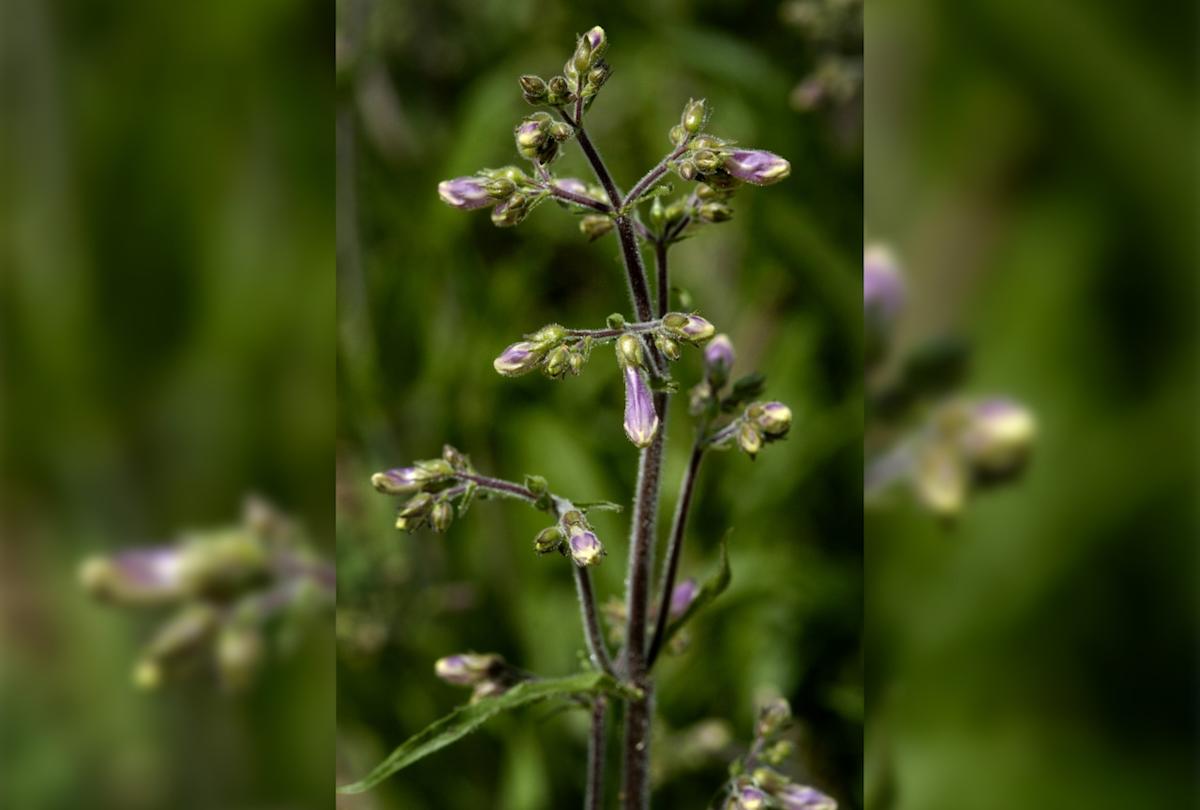
There’s a plant spotlighted in one catalog that I’m going to get because I know almost nothing about it. It’s a figwort, commonly called the “honey pot” plant because of the enormous amount of nectar its small flowers produce. It grows 5 or 6 feet tall and reportedly is easily grown in this part of the country. So, we’ll see.
Obviously, the flowers and vegetables listed in most of the catalogs I get aren’t native, but some of the exotics are real interesting. One offers a white fern indigenous to Japan that has ivory fronds with white centers. But I can’t imagine having a white fern in with all the green native ones.
I’d be remiss if I didn’t mention all the birds currently coming to the cracked corn we put out in a spot David plowed out with the tractor. To date I’ve had eight sparrow species: song, white-throated, chipping, tree, Savannah, field, fox sparrows and juncos (which are also sparrows).
more outdoors news
Read the original article on lehighvalleylive.com.
Comments are closed.