
Hold on to your jasmine, because despite the frozen havoc in the northern half of the state, not all is lost in this year’s cold-ravaged Mississippi gardens. Many of us are in the midst of a real disaster and will deal with it as best we can, but there are hopeful surprises already returning to landscapes zapped by woeful winter weather.
No question, crushing ice storms, tornadoes and hurricanes turn otherwise healthy pines, oaks, towering crape myrtles and naturally brittle pecan trees into ragged horticultural revenants. While consulting with fellow arborists on what is happening in the northern half of the state, we understand the losses – and the effort, expenses, emotions and time it takes to recover.
Before diving into the damage, here is a calm bit of advice for folks with devastated landscapes: Truth is, there is little we need to do, at least for now. Take stock, breathe deeply, and allow yourself and your community time to work through this. After clearing enough to keep yourself and your property safe, take a wait-and-see approach. Resist the impulse to rush out and prune broken trees and shrubs; other than emergency removals, there is no urgent reason to cut.
Important tip: This experienced tree consultant, along with fellow trained arborists, urge you not to grab at straws when it comes to professional tree work – especially if homeowner insurance may be involved. Though busy, the good crews – the ones who can show proof of required licenses and insurance – can get to you. But poorly trained, uninsured fly-by-night crews are already roaming neighborhoods and can end up costing far more than you think. Bottom line: If they can’t show proof of insurance, they don’t have it.
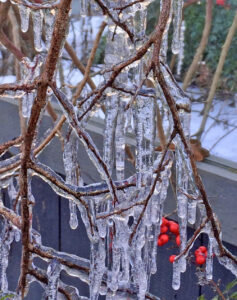
Thick ice coats a plant in northern Mississippi following a severe ice storm this past week. The storm caused widespread damage, leaving hundreds of trees down and many plants harmed across the region. Photo Courtesy of Felder Rushing
That said, as we have seen countless times after wind and ice storms, even severely damaged trees that appear doomed can survive for many years, sprouting new growth in the spring. At most, they may need a bit of cleaning up to remove badly damaged material or to make smoother cuts that heal faster. There is no rush. Once immediate safety concerns are addressed, broken trees and shrubs can be pruned in spring or summer.
Worst of all – and what horticulturists dread most – is how sudden deep freezes kill the living, sap-pumping tissue just under the bark, causing older stems and woody trunks to split wide open. We see this often with pittosporum, Japanese maples, sweet olive, star or confederate jasmine, and evergreen azaleas. Check low on these plants and, harsh as it seems, prune below the splits.
My advice for now is simple: If you haven’t already chopped dead-looking material to smithereens, don’t – at least not yet. Clean fallen debris and plan to remove broken branches this spring or summer. Make neat rows or piles that may become plantable areas. Create a trendy, convenient “stumpery.” Where possible, leave dead trees as wildlife condo “snags.”
Meanwhile, over the next three or four weeks, go ahead and prune roses, hydrangeas, figs and other summer-blooming shrubs as usual. Remove brown palm fronds. Then look for silver linings: bees enjoying every mild winter day, ever-cheery (and cold-hardy) daffodils, painted arums, violets and even dandelions.
And remind yourself that gardening is not just about maintaining a static landscape; it is about moving forward while coaxing brighter new days.
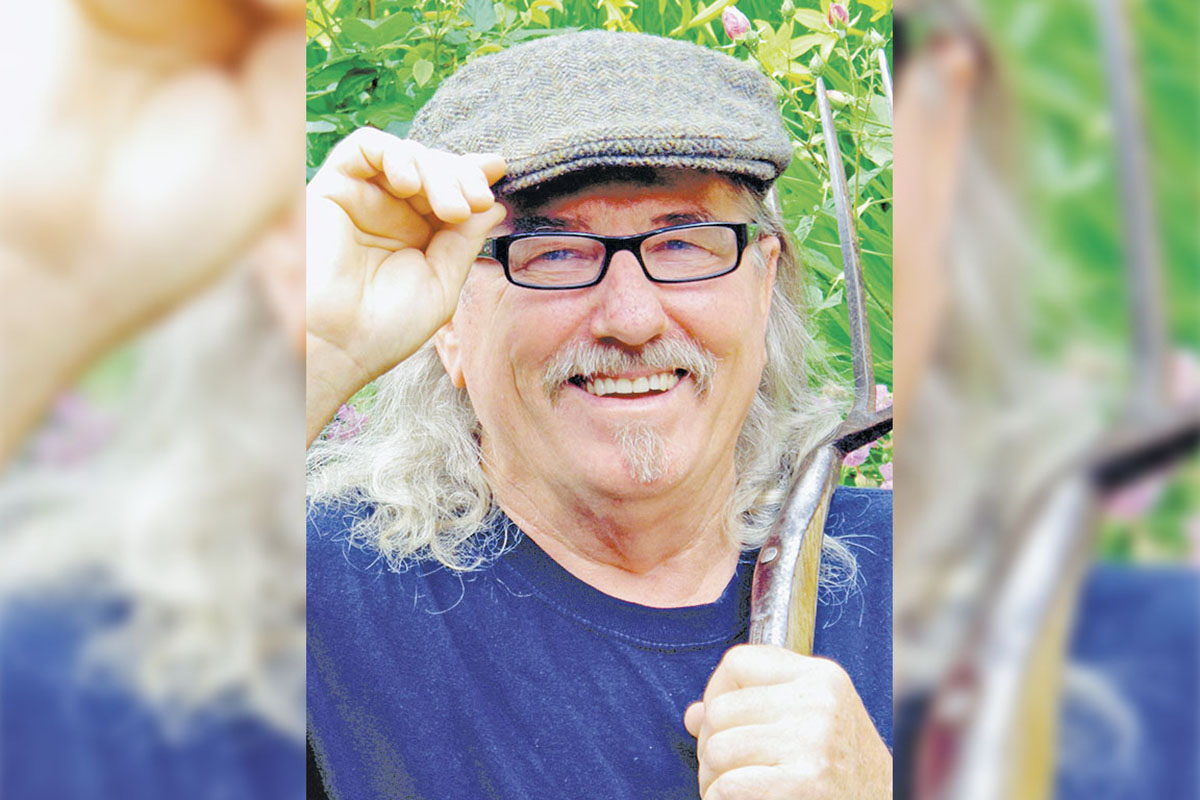
Felder Rushing is a Mississippi author, columnist and host of the “Gestalt Gardener” on MPB Think Radio. Email gardening questions to [email protected].
Posted in Columns
Quality, in-depth journalism is essential to a healthy community. The Dispatch brings you the most complete reporting and insightful commentary in the Golden Triangle, but we need your help to continue our efforts. In the past week, our reporters have posted 33 articles to cdispatch.com. Please consider subscribing to our website for only $2.30 per week to help support local journalism and our community.
Comments are closed.