

We all know what landscaping is, but have you heard of ‘birdscaping’? The practice of designing your garden in a way that supports the birds that visit. This wildlife-friendly approach not only results in a beautiful outdoor environment but also attracts birds.
The goal of any wildlife garden is, of course, to attract and support a wide variety of flora and fauna. And for many gardeners, attracting birds is a top priority – they are, of course, always a joy to see and watch.
You may like
What is birdscaping?
I first learned of the term birdscaping from James Ewens, gardening and wildlife expert for Green Feathers.

(Image credit: Getty Images/ nitrub)
‘Birdscaping boils down to creating a sanctuary for birds, through landscaping your garden, mindfully, with birds being the priority,’ he said.
‘It’s essentially making your garden a haven for birds, prioritising a garden that is rich in native plants and shrubs, avoiding chemicals and pesticides, providing fresh, replenished water, a safe habitat for nesting, like bird boxes, regular nutritious, high-energy food, and just letting your garden ‘grow free’.
‘There’s a misconception that birdscaping gardens need to be messy and unkempt, but they don’t necessarily need to be to make them extremely beneficial – it’s mainly about making sure your birds have all the resources they need in order to survive, be safe, and thrive, in your garden.’
How to birdscape your garden
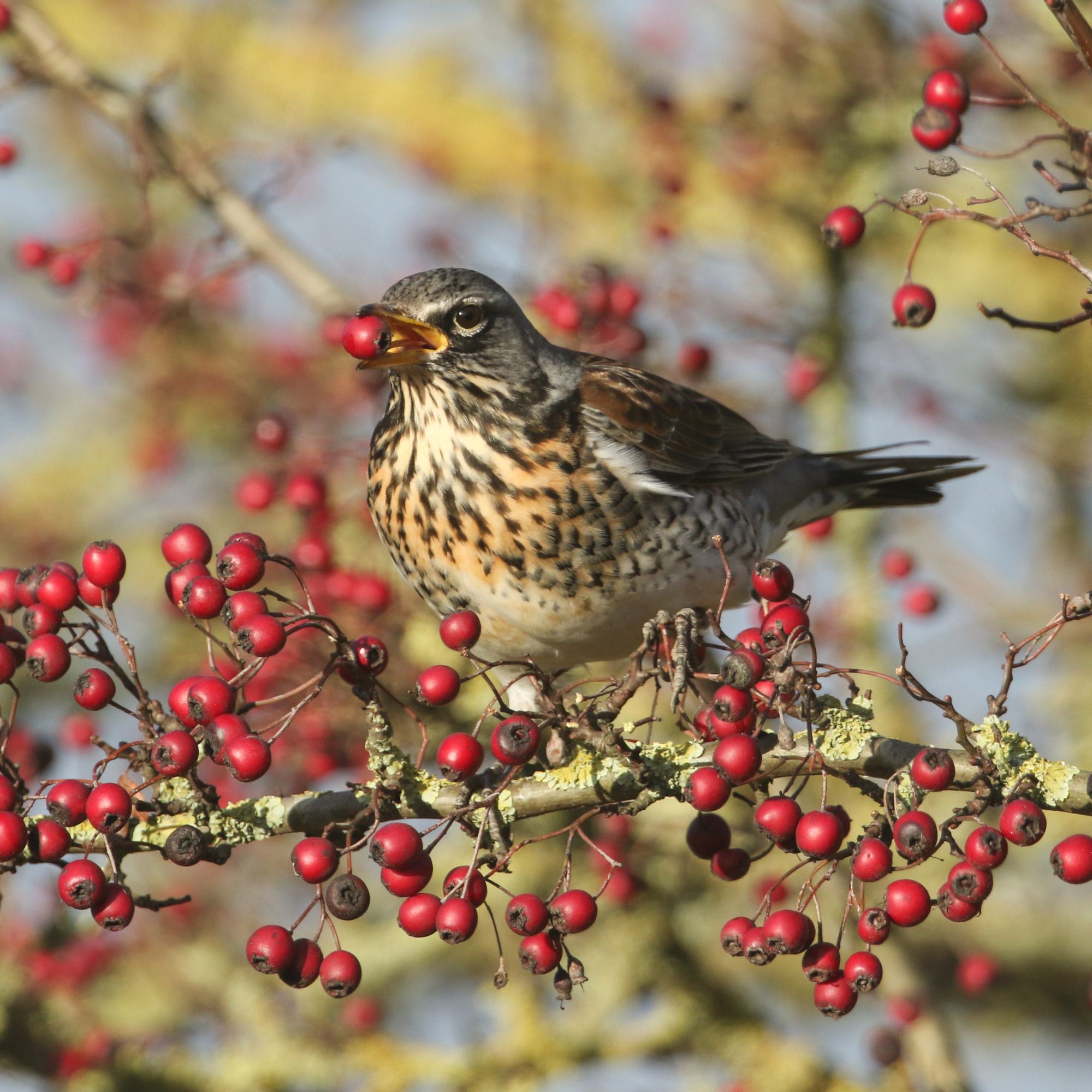
If you’re wondering what people who attract lots of birds always have in their gardens, the good news is that there are loads of different options to include, from bird-friendly plants to adding nest boxes and feeders to your trees.
(Image credit: Getty Images / Sandra Standbridge)
‘Variety is key. Different bird species rely on different foods and nesting sites, so the more diverse your garden is, the more wildlife it will support,’ says Dr Elliot Goodwin, Practice Owner at Vets for Pets Hereford.
‘A shallow, wildlife-friendly pond or even a washing-up bowl with stones can give birds a place to drink and bathe. Adding native shrubs and small trees — even in pots on a balcony or terrace — provides cover and natural food.
You may like
‘Where possible, choose native plants. British birds and insects have evolved alongside them, so they tend to offer more benefits than heavily cultivated varieties. Berry-producing shrubs are especially helpful in Autumn, and flowering ivy is excellent for attracting insects, which many birds depend on.’
(Image credit: Getty Images / Ballygally View Images)
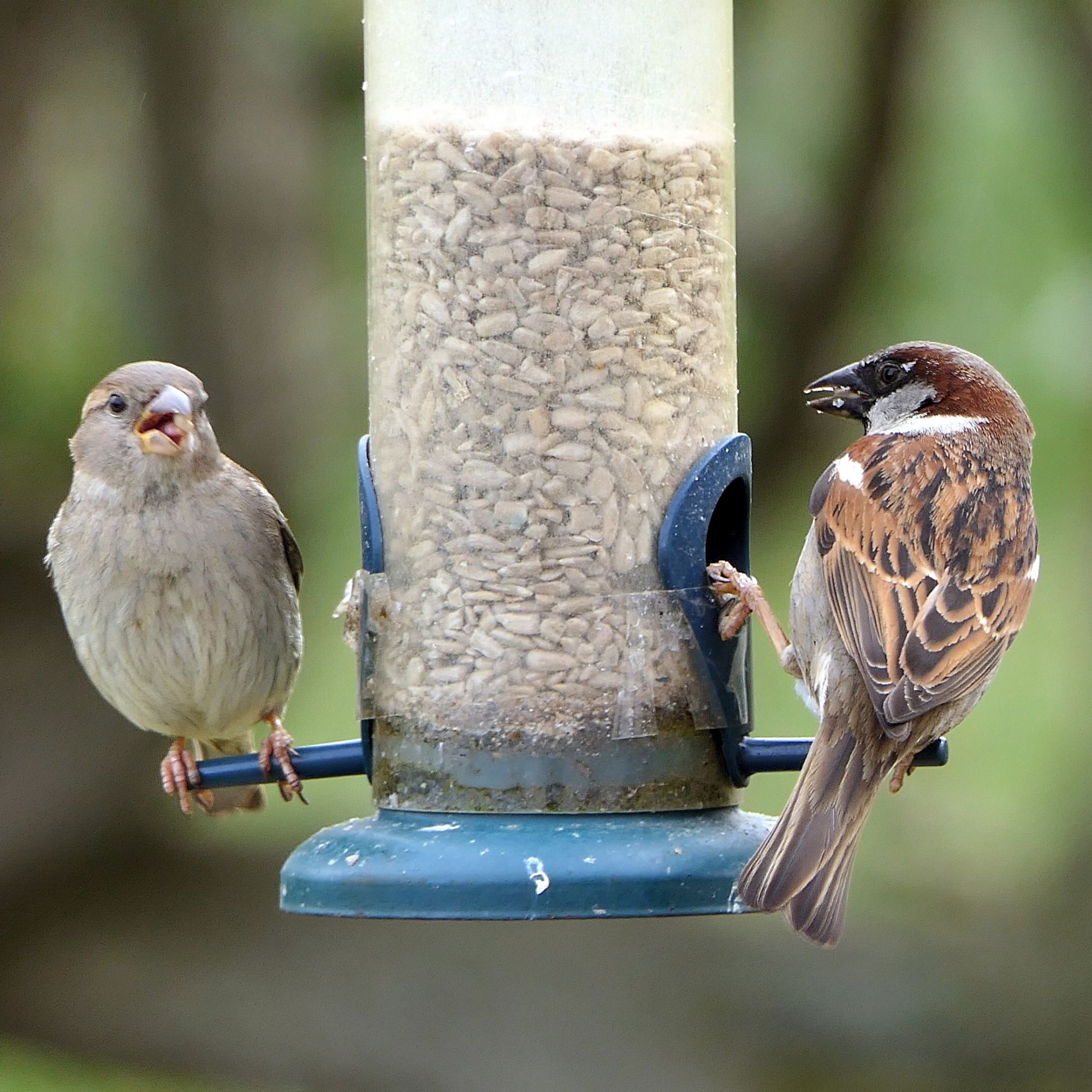
Of course, providing a food source and knowing what to feed birds and when is essential, too. Remember that some birds, such as robins, are ground feeders and prefer trays, while other species like hanging feeders.
‘You’ll also need to provide a consistent food source – with a mixture of nutrient-dense, high-protein and high-energy foods. From sunflower hearts, to apples and pears, live or dried mealworms, and suet balls, you’ll be providing the ultimate meal for feathered friends to survive through cold months, scarce natural food sources, breeding and nesting season,’ says James.
What does a successful birdscape you like?
Of course, the end goal is a flourishing garden with lots of visiting birds; there are also other factors of success that you can measure your ‘birdscape’ by.

(Image credit: Future PLC/Peter Chatterton)
‘A thriving birdscape brings more birds into the garden, but that’s only part of the picture. A healthy, balanced wildlife garden will also attract insects, bats and even hedgehogs over time. When the ecosystem starts to grow in variety, it’s a good sign that your garden is providing the food, shelter and habitats wildlife needs,’ says Dr Elliot.
‘Patience is important, a bird-friendly garden often takes a year or two to really establish, but the long-term rewards are worth the wait. Try to avoid overly modified, non-native plants; while they can look attractive, they often offer little value to birds or insects. And where you can, steer clear of pesticides and herbicides. Reducing chemical use helps protect insects, which are a vital food source for many bird species.’
You should also avoid excessive garden lighting and low-fixed bird boxes, as birds don’t like these. It’s also helpful to leave a ‘wild patch’ or leave your garden a little messier, as wildlife prefer these conditions.
RSPB
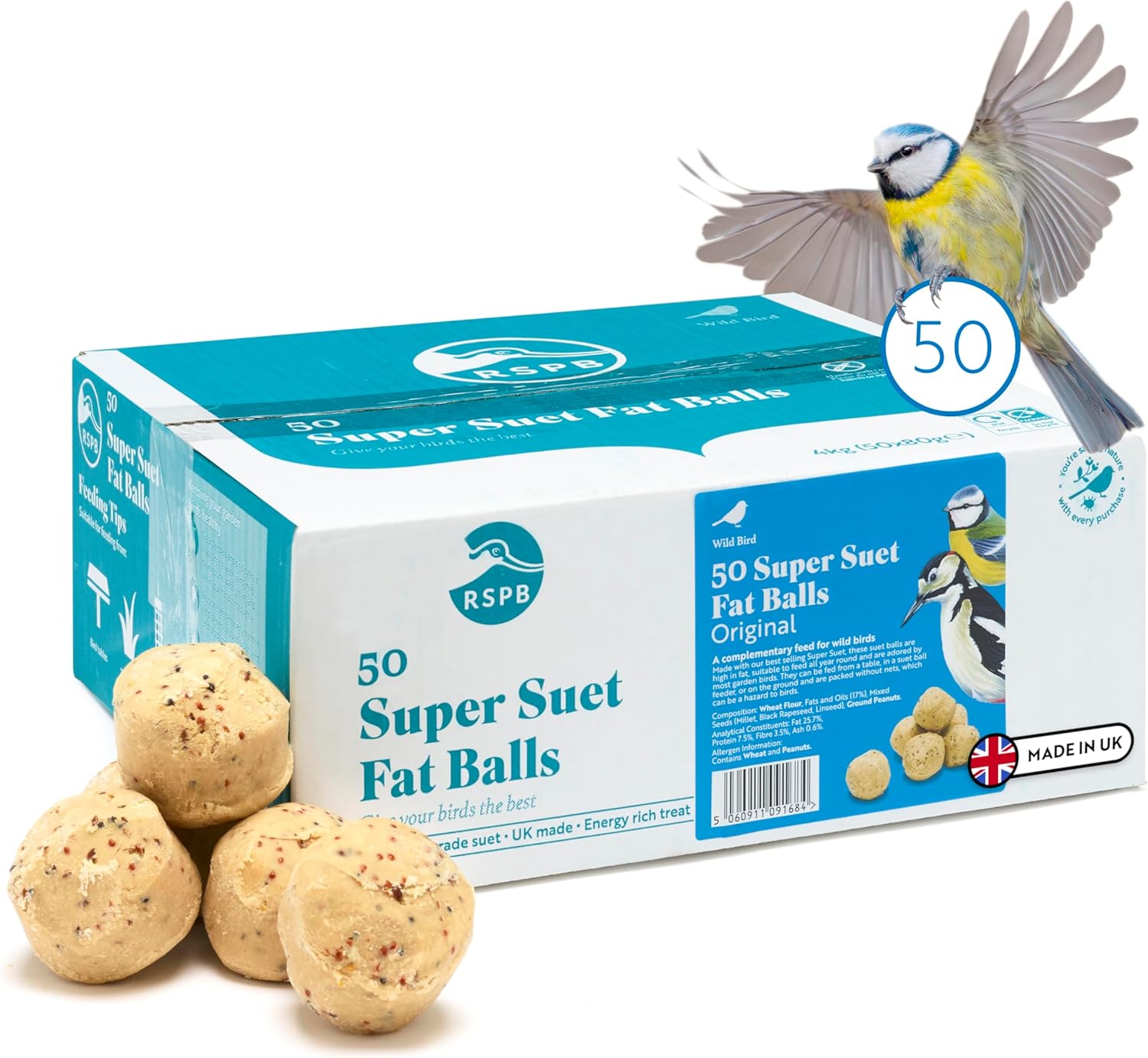
Fat Balls for Wild Birds
Make sure to invest in high-quality bird feed that are free from ‘filler ingredients’ such as these RSPB fat balls.
Kingfisher
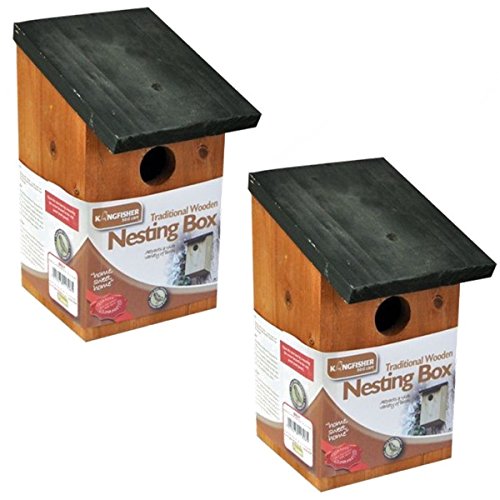
2 X Wooden Nesting Box Bird
James reccomends positions your bird box a minimum of two meters off the ground.
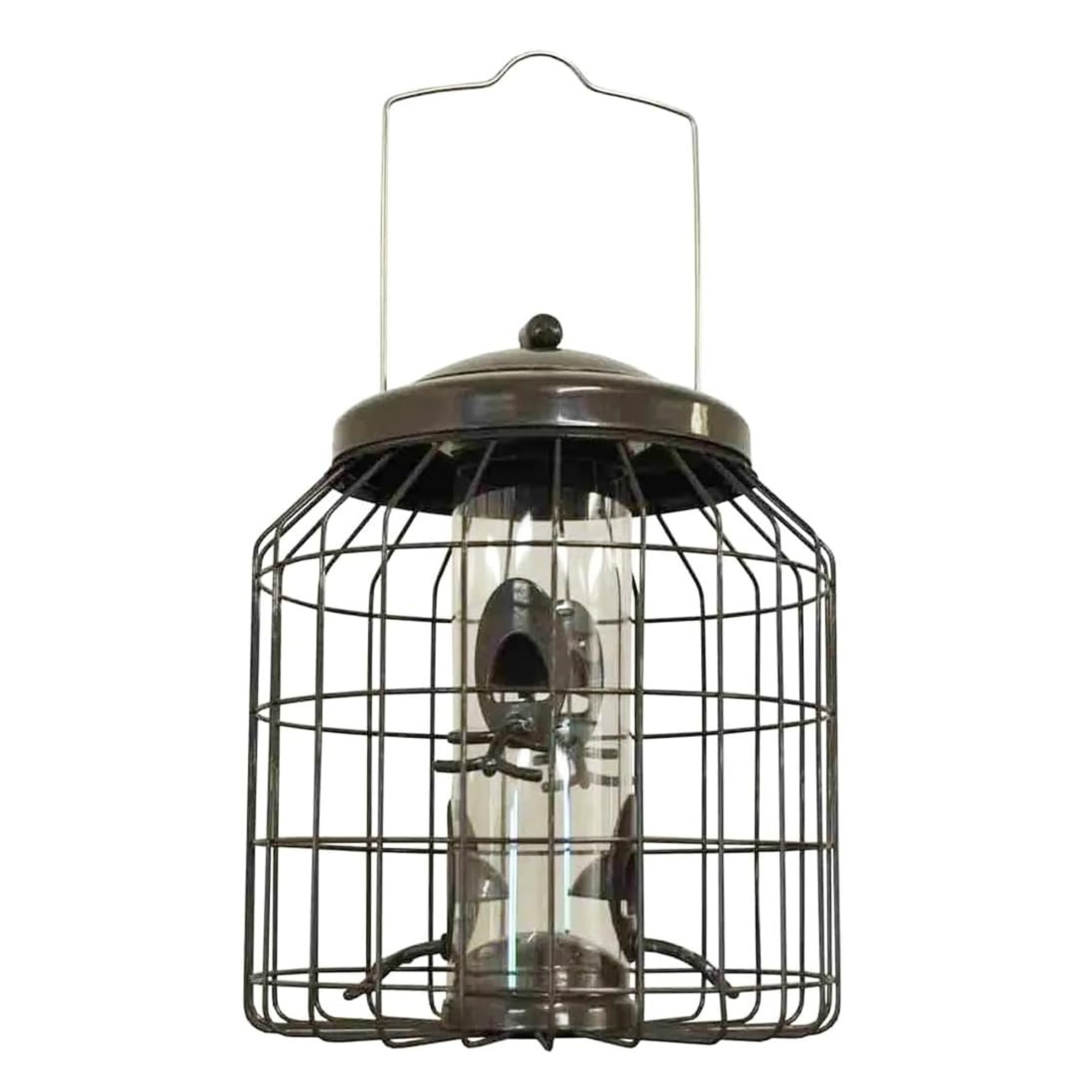
Garden Haven
Gh® Large Heavy Duty Squirrel-Proof Bird Feeder
Opt for a squirell-proof feeders to prevent pests from getting to the feed before the birds can.
‘A successful birdscape boils down to a haven for birds where they can access their basic needs – shelter, food, water and protection,’ concludes James.
Now you have the tools for a successful birdscape. Go forth and turn your garden into a wildlife haven.
Comments are closed.