
Key Points
Gently remove heavy, wet snow with your hands or a soft broom to prevent plant damage.Sweep upward—not downward—to avoid snapping branches.If ice forms, don’t intervene; let it melt naturally to avoid breaking frozen foliage.
Winter weather has arrived, with many parts of the U.S. already seeing first snowfall. Keeping streets, driveways, and walkways safe is necessary, but don’t forget your landscape and gardens.
In this article, we’ll look at when snow causes damage and how to minimize it, along with tips for protecting plants from harsh winter weather.
When to Remove Snow From Your Plants
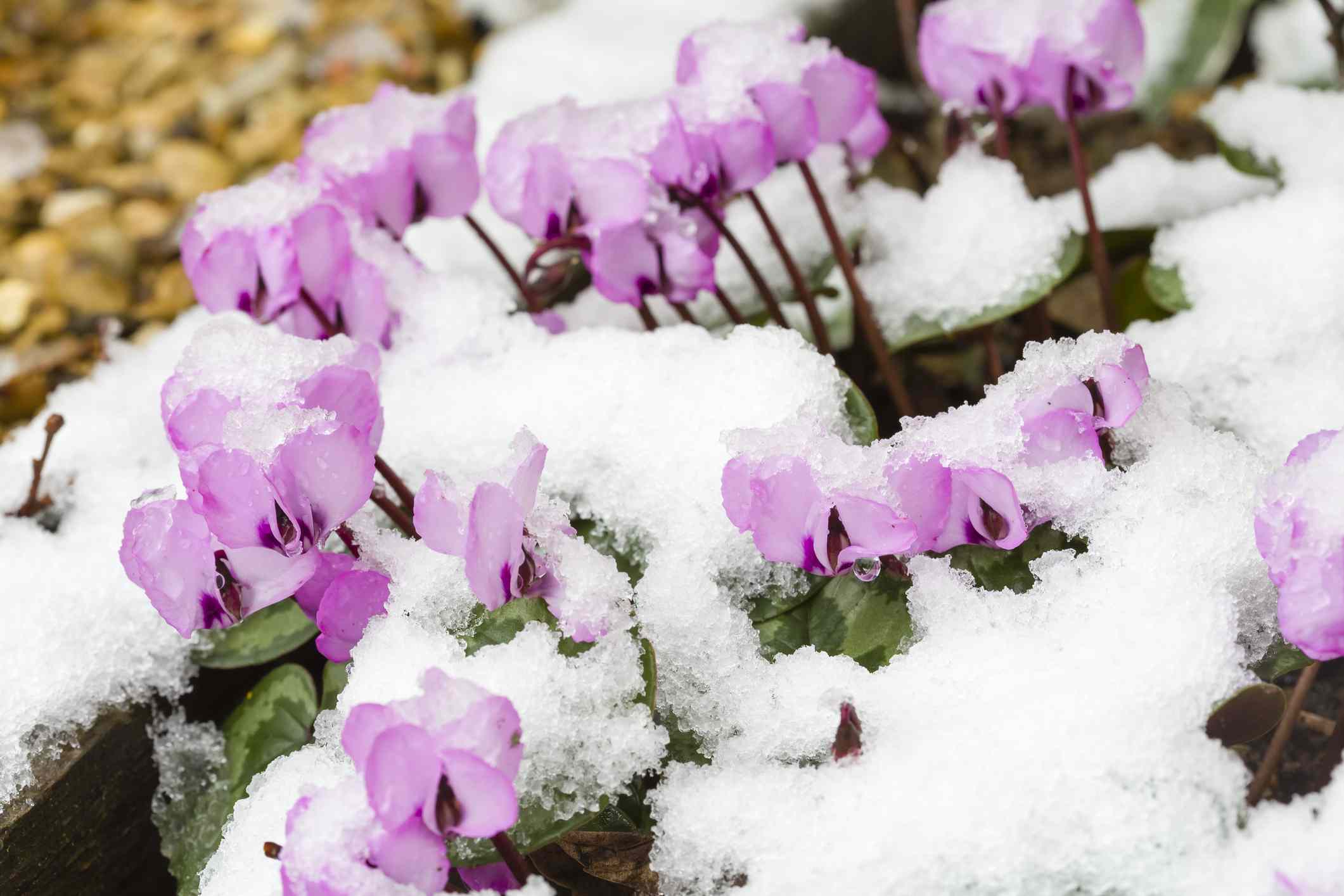
Snow acts as an insulator, holding in warmth and moisture to protect the roots of trees, shrubs, bulbs, and perennials. A light dusting of fluffy snow won’t cause damage and is easily removed from winter-blooming perennials and shrubs like hellebores and camellias.
But after a heavy, wet snow or when consistent snowfall accumulates, your yard and gardens may need intervention. Dense, thin branches of evergreen shrubs and trees are particularly vulnerable to breakage. The same holds true for young deciduous trees.
Stems of winter-blooming perennials bend or break, leaving frozen foliage and flowers lying on the snow pack where they saturate and wilt.
Freezing rain causes significant damage and a potential safety hazard when ice accumulates on trees. However, if falling branches don’t threaten electrical lines, driveways, walkways, or structures, letting ice melt naturally is the better approach.
Natural thawing eliminates damage caused by trying to remove ice encasing stems of perennials and shrubs.
How to Remove Snow to Avoid Damage
Credit:
MariaUspenskaya / Getty Images
Leave the snow blower and deicers in the shed. Removing heavy snow from plants needs to be done by hand.
If your area sees frequent snowfall, dust off vulnerable plants regularly when it accumulates more than an inch or two.Use gloved hands or a small, light brush to gently remove snow from flowers, stems and leaves of winter or early spring blooming perennials and shrubs. Leave snow cover around the base to insulate roots.A broom safely removes snow from shrubs, like hollies, taller evergreens and small trees. Use it in an upward motion with light taps underneath to loosen and release the weight. Avoid hitting or sweeping the tops of branches in a downward motion. Start at the tips where the snow weight is pulling them down.Gentle shaking may work to dislodge snow. Grasp the branch behind where snow has accumulated and shake it in a side-to-side motion.When snow is wet and heavy, try to intervene before it freezes and adheres to branches, making removal difficult. If this happens, it’s better to wait and let it melt off naturally.Don’t use chemical snow or ice-melting products that contain salts. Rock salt and other calcium-based products damage your plants and soil.Consider netting or gathering and tying up branches in a pyramid shape to protect shrubs from snow sloughing off roofs and larger trees.
When to call a professional
When ice causes breakage that could damage electrical wires, walkways or buildings, you may need to call a professional tree removal company to remedy the problem safely.
Winter Care Tips for Garden Plants
Organic mulch is the first line of plant protection during winter weather and should be part of autumn cleanup in the garden. It supports moisture retention, and moist soil holds warmth better than dry soil. Mulch also helps prevent frost heaving in climates where freeze/thaw cycles occur regularly.
Move potted perennials and shrubs into protected areas. Unheated garages, porches, and outdoor sheds are good choices. Avoid placing them underneath trees or building eaves where snow sloughs off or melts.
Don’t let the soil dry out completely. Whether your plants are in pots or in the ground, a little moisture protects roots from freezing. Follow the forecast and, when temperatures start to dive, water lightly if necessary.
It’s almost always better to let ice melt off naturally. However, if you need to protect fruit-bearing trees and flowering shrubs from late winter storms, ice can be removed with a warm, not hot, spray from a hose.
Consider adding salt-tolerant plants close to roads, driveways, and sidewalks. Or erect a barrier fence to reduce the amount of salt exposure from snow removal equipment and ice melting products.
Avoid pruning broken branches until late winter or early spring. Pruning cuts heal slowly during dormancy and invite opportunistic disease and pests.
Comments are closed.