
I asked 5 gardening pros what to do with lawns this month – they all said the same thing (Image: Getty) This article contains affiliate links, we will receive a commission on any sales we generate from it. Learn more
Winter is the time of year when most gardeners forget about their lawns entirely. The grass stops growing, the mower goes in the shed, and the lawn becomes an afterthought until spring. January is typically the coldest month, and your lawn needs you to largely leave it alone, whereas February is a transition month – the days are getting longer, and on mild days, you might notice the first signs of new growth.
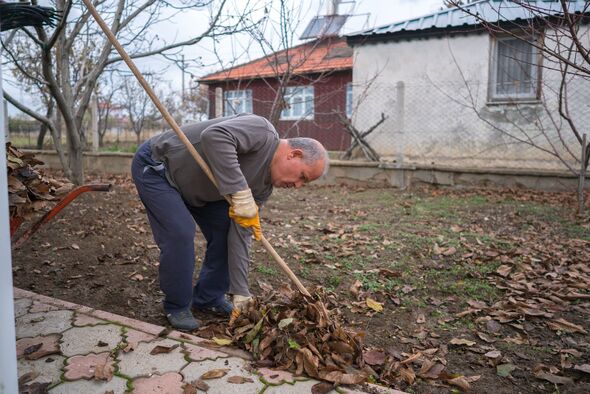
To find out what you should be doing with your lawn during this transitional period, I asked five gardening experts for their opinions. While they all recommended a few things each, one of the same responses – and that’s to keep intervention to a minimum by just clearing lawns.
Read more: Magpies will never get close to gardens with simple item they see as ‘dangerous’
Read more: Hydrangeas give you ‘glorious blooms’ yearly if you stop making common mistake
All gardeners recommended keeping intervention to a minimum by just clearing lawns (Image: Getty)
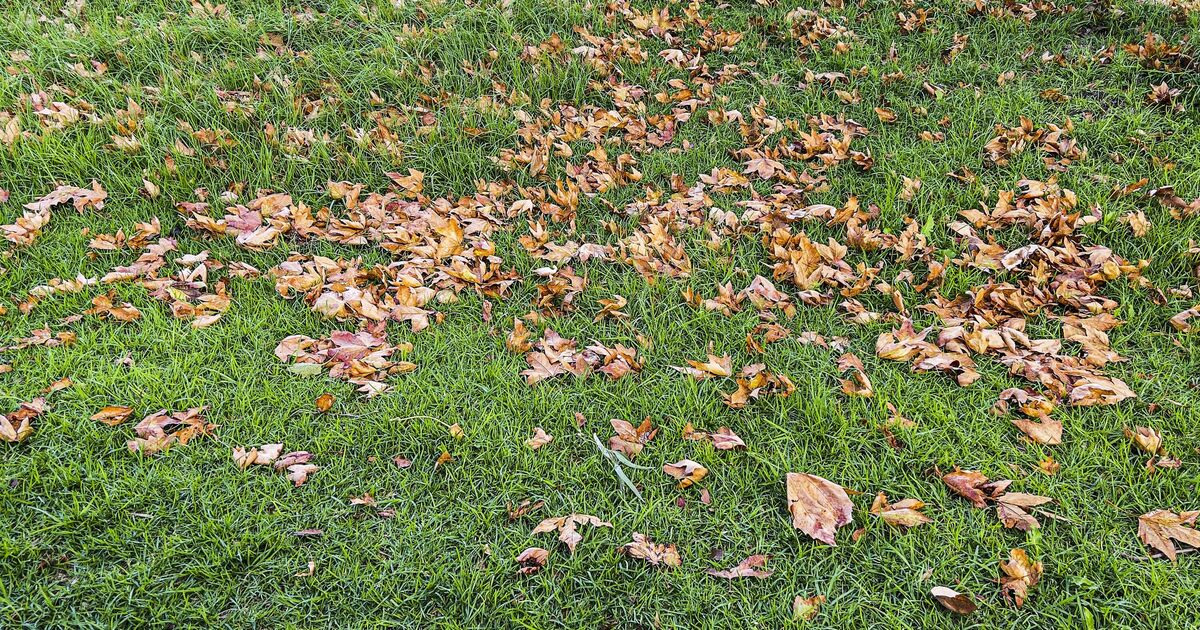
Speaking to Halina Shamshur, resident gardening expert at Plantum, she stressed that the very first task is to always clear away fallen leaves and any leftover debris from your lawn. To do this task, she noted that a fan rake is the tool for the job.
Elizabeth Waddington from First Tunnels highlighted that winter lawn care is “largely about restraint” as it’s the “ideal time” to observe. She explained: “Observation helps us understand a lawn better. If you observe a lot of moss in your lawn, for example, the first step is not to remove it, but to pause and observe what it is telling you about the site.”
The gardening pro instructed: “Avoid compacting the soil by keeping off waterlogged or frozen grass. If leaves fall, move them to create leaf mould elsewhere off the lawn.”
Steve Corcoran, CEO of Lawn Love, agreed that lawn maintenance should be kept to a minimum. He said, “Right now, you probably don’t need to be doing much. Generally, you want to hold off on lawn care until the last frost has passed, otherwise you can risk damaging your lawn.”
He warned that when grass is dormant, things like aerating or even just too much foot traffic can negatively impact growth and grass health.
But, it’s still always a good idea to do things like clearing fallen leaves and debris from your grass to “ensure that it’s still getting oxygen while dormant”.
Early to mid-spring is typically when you’ll want to start taking some actions (Image: Getty)
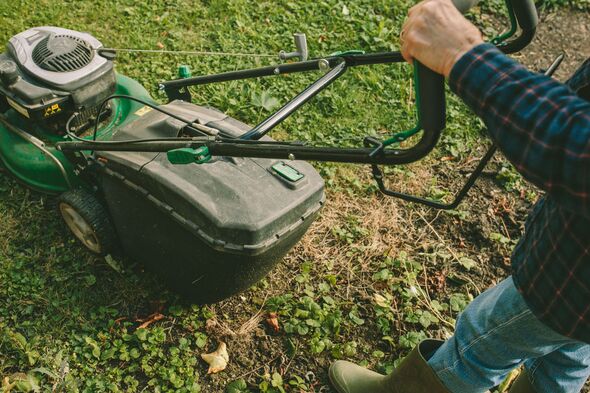
Steve pointed out: “Early to mid-spring is typically when you’ll want to start taking some actions.”
Allison Koenig, lawn and garden expert at Tractor Supply, spoke about how winter is the “perfect season” to take a moment to clean up fallen branches, leftover leaves, and anything sitting on the grass.
She warned: “Debris traps moisture and can block light and air exchange, creating conditions for mould and pests even in cold weather. A tidy lawn in winter is one less thing to fix when the weather warms up.”
Qualified professional lawn and landscaping expert and co-owner of Heroes Lawn Care, Taylor Olberding, said that for lawn care at this time of year, it starts with keeping your garden clean.
He advised gardeners to rake up leaves, clear out debris, and remove anything sitting on the grass, since it can block airflow and sunlight, or, worse, invite mould.
Comments are closed.