
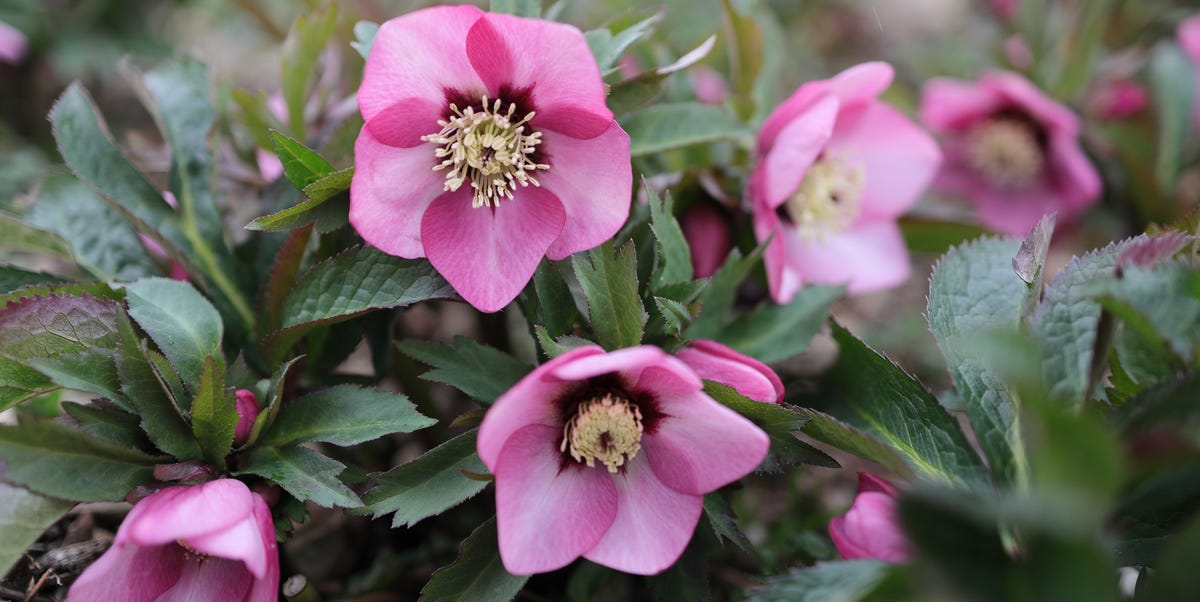
Once February arrives, our thoughts shift towards being outside in the garden again – on mild days anyway. There’s a real sense of looking forward and a keenness to gear up for the growing season ahead. This means there are plenty of gardening jobs to tackle in February to get things underway.
On warmer days you may even see bees on the hunt for nectar and this will act as a reminder to add a range of pollinating plants to your garden.
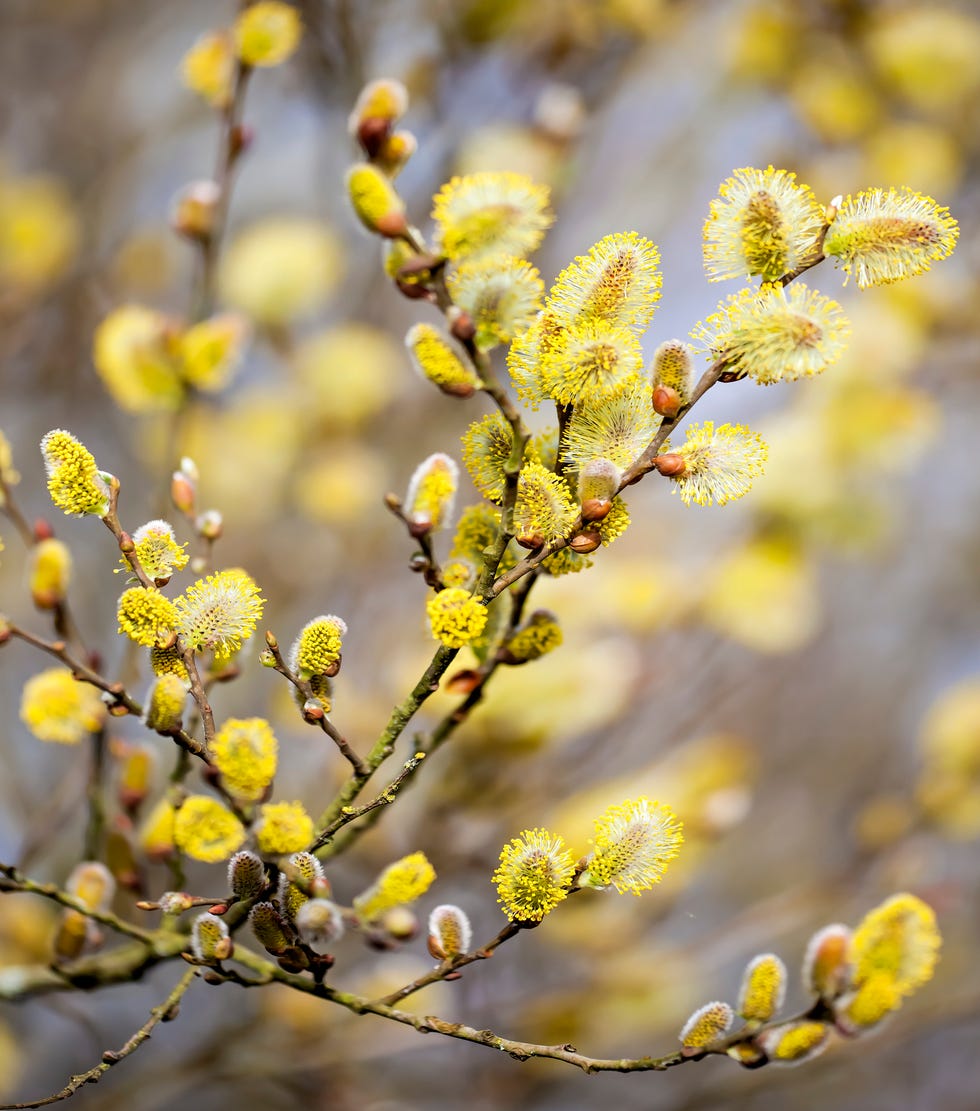
Late winter-flowering shrubs make the February garden such an enjoyable place to be, as they offer thrilling scent and colour at a time when everything else is mostly dormant. The lush blooms of camellias and the highly scented flowers of daphne are two of the go-to choices at this time of year. So, if your garden is currently feeling a little bare and you want to add varieties like this to enjoy in late spring every year, now is one of the best times to plant them.

mikroman6//Getty Images
If the weather disappoints, there’s still plenty you can do indoors too. This month sees the big push for flower and vegetable seed sowing. Try out heated propagators and pads, as well as grow lights to get things off to a flying start. Just be sure to label everything carefully.
It’s a good idea to keep a calendar planner if you want to sow successionally, so you can stagger your planting rather than have everything reach maturity at the same time. Here’s a run-down of what to do in the garden this month…
What to plant in February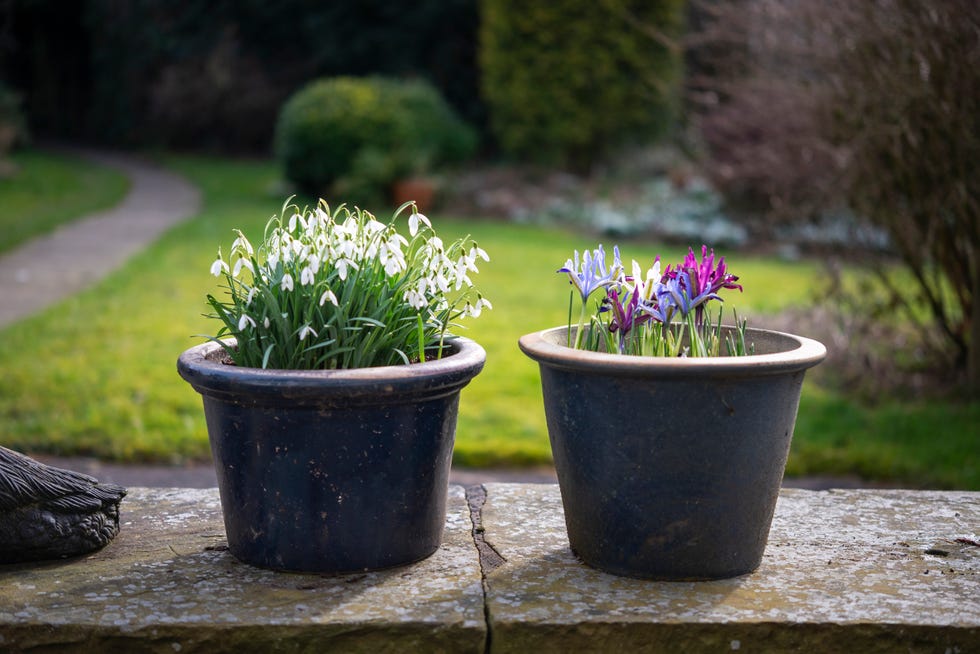
Photos by R A Kearton//Getty Images
“February is often thought of as the hardest month for gardeners,” says artisan florist Kathryn Cronin of Cheshire-based Fierceblooms. “Spring is almost here though and with that comes hope. Order your dahlia tubers now. These easy to grow, prolific bloomers – seem to be more popular than ever.” The trend this year is for dahlias in copper, orange and peach shades, as well as dark red and deep purple.
“Depending on how well any autumn-sown plants faired through winter, with light levels rising now is the moment to plant even more sweet peas,” says Kathryn. “I always soak them as you can tell viable ones by how much they swell. Then I plant them in deep root trainers. One of my favourite varieties is ‘April in Paris’, which smells divine and is a good grower.”
Kathryn sows hardy annuals now too, putting nigella and larkspur at the top of her list as the fresh flowers are so beautiful and they can also be dried to create everlastings. “In February I start to sow half-hardy annual seeds,” says Norfolk-based florist and grower of cut flowers Louisa Butcher, owner of Brunstead Blooms. “I grow them in heated conditions outdoors, or indoors to ensure germination and give them a head start to survive any chilly weather.”
Annual Phlox drumondii grandiflora are one of Louisa’s all-time favourites to grow from seed. “They are invaluable as a cut flower. Two of my top choices for their unusual colours are ‘Cherry Caramel’ and ‘Crème Brûlée’. With ‘Cloud Dancer’ Pantone’s colour of the year for 2026, I think ‘Alba’ and ‘Isabellina’ will, no doubt, be even more popular. It’s also a great time to start Rudbeckia hirta. Choose varieties such as ‘Sahara’ and ‘Cherry Brandy’, for flowering at the height of summer. Don’t let the seedlings catch the frost though – they aren’t hardy, even when fully grown.”
Another February tip from Louisa is to weed around peonies too – it won’t be long until they are in full bloom.
Vegetables to grow in February
Dry, cool February days offer a good opportunity to dig over vegetable plots and allow the frost to do the hard work of breaking down the soil. February is a key month for starting vegetable seeds. You can do this without the use of grow lights, as long as you have a sunny, south-facing windowsill. It’s still too cold to start most crops in an unheated greenhouse, so growing indoors is a safer option for all but the very hardiest of crops.
“There are some key crops that really benefit from the early start and longer growing season that sowing in February offers,” says Lucy Hutchings of She Grows Veg. “Sweet peppers, chillies and aubergines are great to get a head start on before spring. These plants are all slow-growing, heat-loving tender plants, and giving them an early start means a better and more productive crop come late summer and autumn. It also means that if we get a cool, short summer, these plants are already more established before planting out.”
birdseye//Getty Images
February is the start of onion and leek sowing season. “The great thing with these crops is that although they need the extra warmth of the home or a heat mat to germinate, once up, they can then grow in cooler conditions – such as an unheated greenhouse or polytunnel. This frees up your precious windowsill space, too” says Lucy.
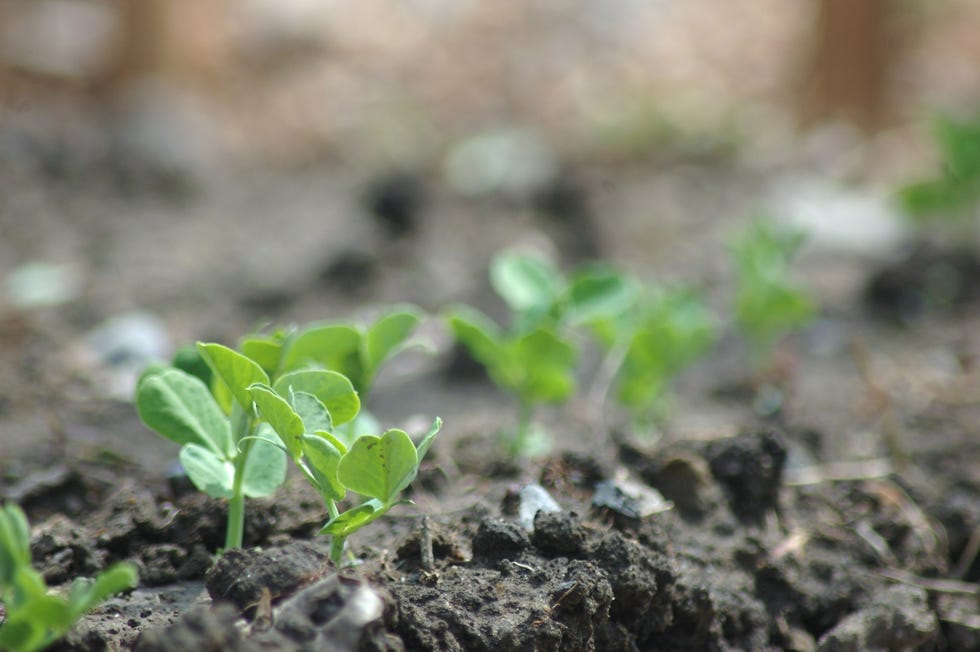
There are some hardy crops that can be sown directly outside even in February. “Broad beans and early peas are a great choice as long as you don’t have issues with mice or pigeons, who will dig the seeds straight back out as a tasty winter treat after all your hard work.” Early sowings of these crops do result in earlier harvests, explains Lucy, and can be followed up with a second or even third sowing in spring to prolong the harvest period.
“Chitting potatoes in February will prepare them for planting in the ground by the time spring arrives,” says Paul Parker, CEO of garden retailer J Parker’s.
“For those new to growing potatoes, chitting is the process of allowing your seed potatoes to begin sprouting before planting them outside. Not all varieties will need chitting. You should do this step for first and second early potatoes, but main crop varieties can be grown directly outdoors once the threat of frost has passed.”
Simply stand each potato in an old egg box carton, keeping them somewhere cool and light. For the best results, this should be done roughly four to six weeks before you plan on planting them out.
Garden jobs for February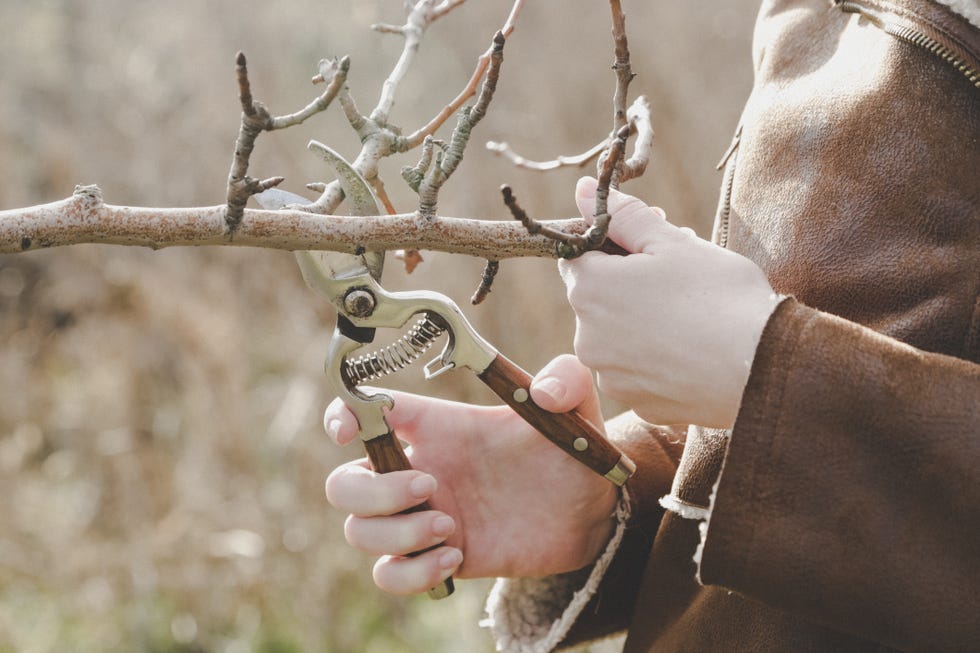
triocean//Getty Images
Prep your garden for the year ahead with our list of essential jobs for February….
Enrich soil
Whether you’re a digger or a no-dig convert all garden beds, particularly those used for veg growing, will benefit enormously from a good layer of rich organic matter.
“There’s no need to dig this in, the worms and other soil-born life will do the job for you,” says Lucy Hutchings. “Compost, well-rotted manure or leaf mould are all great choices for this. The aim is to add lots of soil nutrition from the top down, as well as smothering weed seeds that are waiting to make an appearance in spring.”
Doing this every year means your soil is so nutritious that you should only have to feed the very hungriest of plants later in the season.
Divide snowdrops
“February is peak time for snowdrop displays. Their delicate nodding bell blooms are an early sign the new season is just around the corner,” says Paul Parker. “Although snowdrops will naturalise without any intervention, if you want to introduce these early spring bulbs to other areas in your garden, now is the time to lift and divide.”
Using a trowel, simply lift these clump-forming flowers out of the ground. Then split the bunch right through the roots to create two clusters: one can be planted back in the original spot, and the other can be planted in a new location. “This will form new colonies that naturalise to produce more flowers the following year,” says Paul.
Clean up 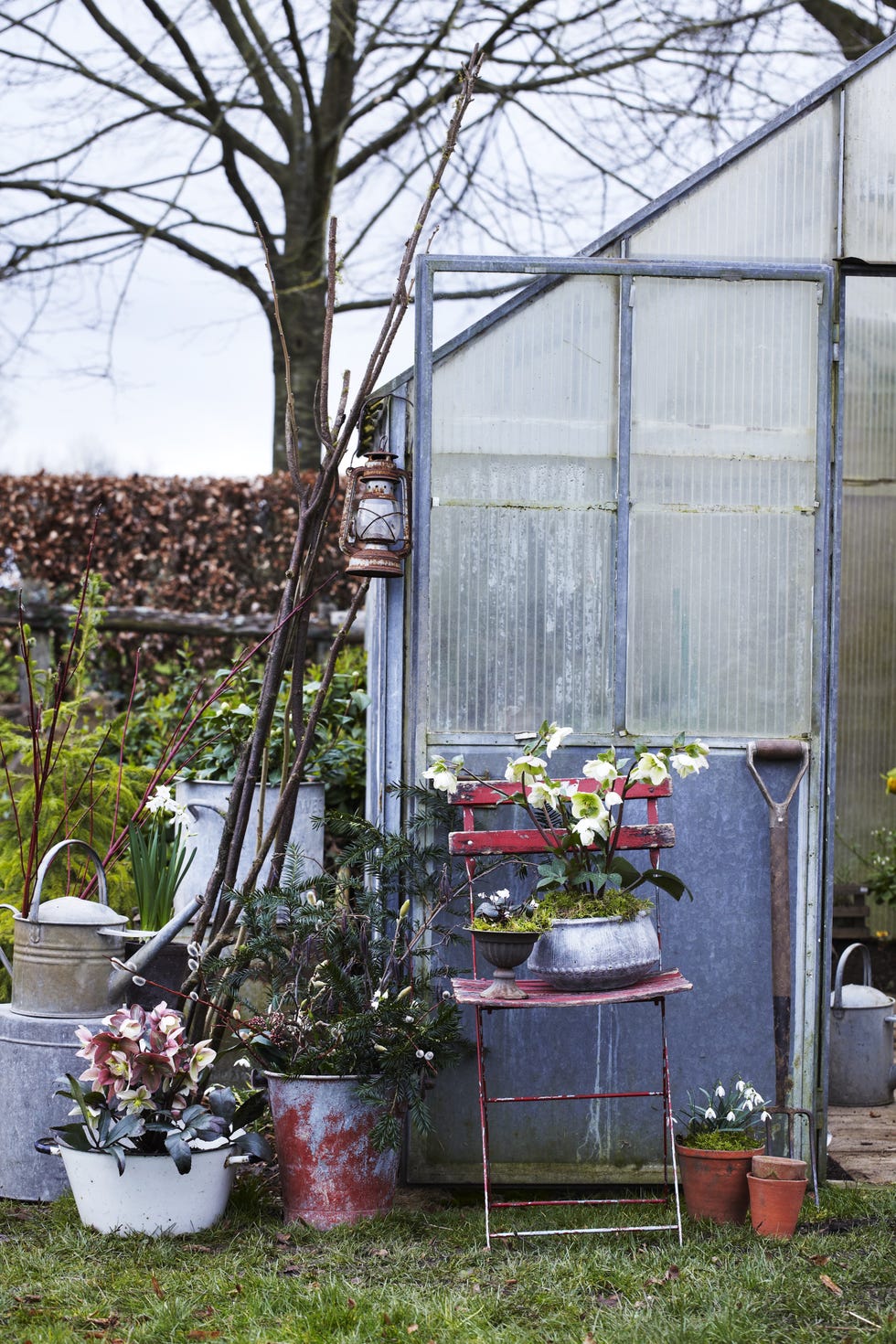
Country Living / Sussie Bell
It’s a good idea to clean greenhouses, polytunnels and outdoor growing areas thoroughly ahead of the growing season.
“Many problem pests, such as red spider mite, can overwinter very happily but in February it’s still too cold for them to make a reappearance,” says Lucy.
“Propagation starts in earnest for most gardeners in March, so wash and disinfect pots and propagation trays now too. Pests, mildew and diseases can overwinter on pots and trays so a little time spent properly cleaning them now can be a big investment in the future health of your plants.”
Prune clematis
A plant that benefits from a healthy prune in February is clematis. “Prune late-flowering clematis by cutting the stems down to a healthy bud, ideally about 30cm away from the base,” says Paul Parker. “When your clematis starts to grow again, you’ll see neat and tidy growth, plus this avoids the leggy look.”
Paul also recommends pruning climbers, like ivy and Virginia creeper, to keep stems away from window frames, doors and gutters. “Try to complete pruning before birds start nesting to ensure you’re not disturbing any wildlife later in the season.”
Assess borders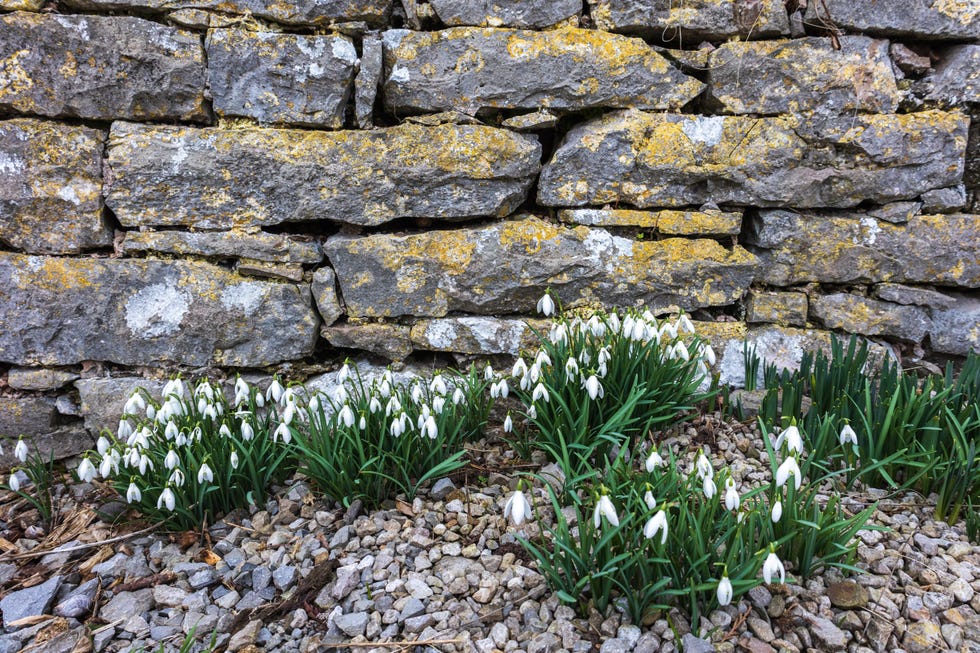
A.E.Mitchell//Getty Images
“February is a good time to assess your borders and make a note of the plants that have not done as well as you hoped, or where a change feels necessary,” says David Glass, head gardener at Bowood country estate.
“Nurseries are constantly breeding new varieties, and winter offers the chance to spend time reading or doing online research into what’s new.” It’s also a good idea to ask for recommendations from other gardeners to help guide your decisions.
Prune fruit
“In February, I prune apple trees to thin growth, avoid overcrowding and improve airflow,” says David. “Many soft fruits can also be pruned, with the exception of plants in the Prunus family, including plums, peaches, apricots and cherries. As a general rule, cut back autumn-fruiting raspberries to ground level, thin blackcurrants and remove low branches. Redcurrants will also benefit from removing their congested stems to increase airflow.”
Sharp, clean tools are essential to reduce the risk of infection. Disinfecting tools between pruning different plants is particularly important when working with fruit trees to help reduce the spread of disease.
Pruning essentials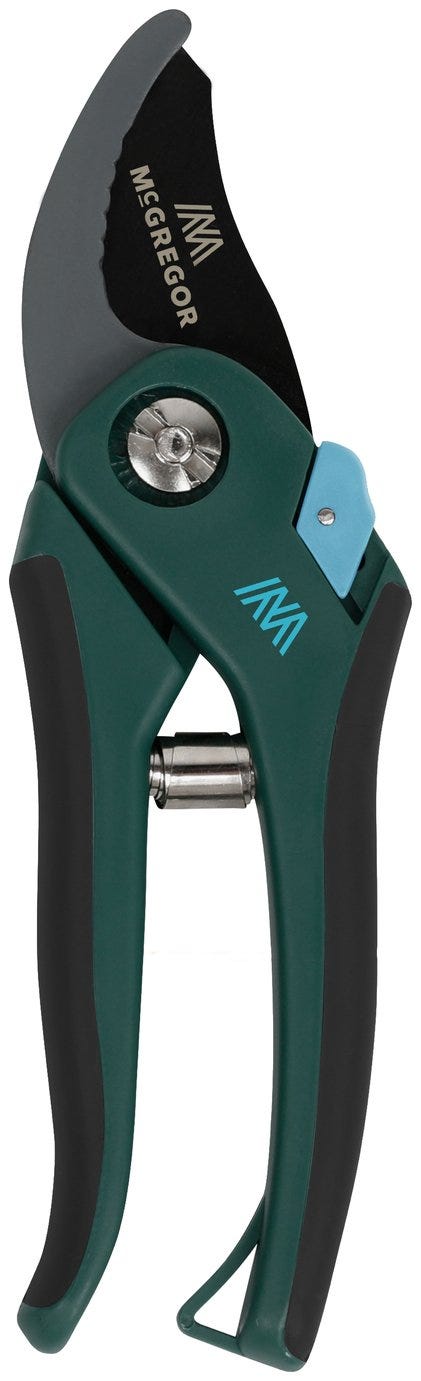 McGregor McGregor Bypass Secateurs Pruner
Now 47% Off
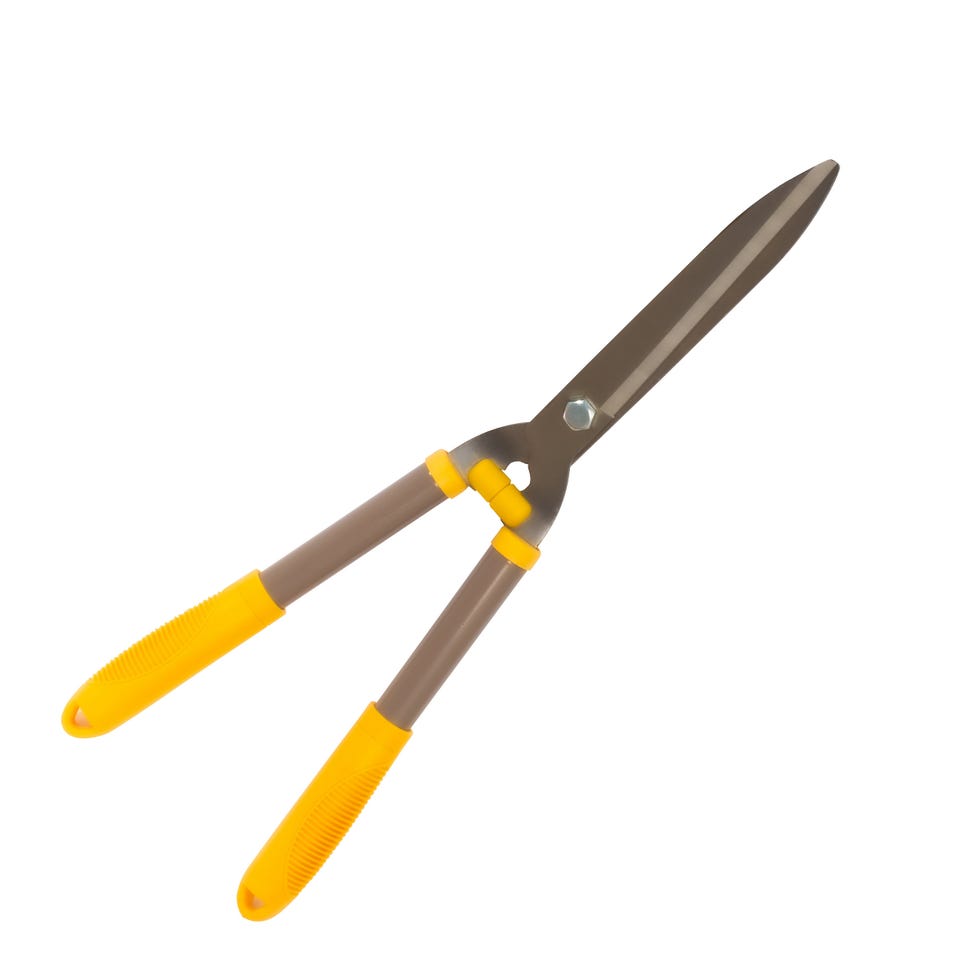 Standard Straight Grass, hedges & shrubs Shears
 Burgon & Ball Burgon & Ball Love the glove Polyester Red Gardening gloves Medium, Pair
Comments are closed.