
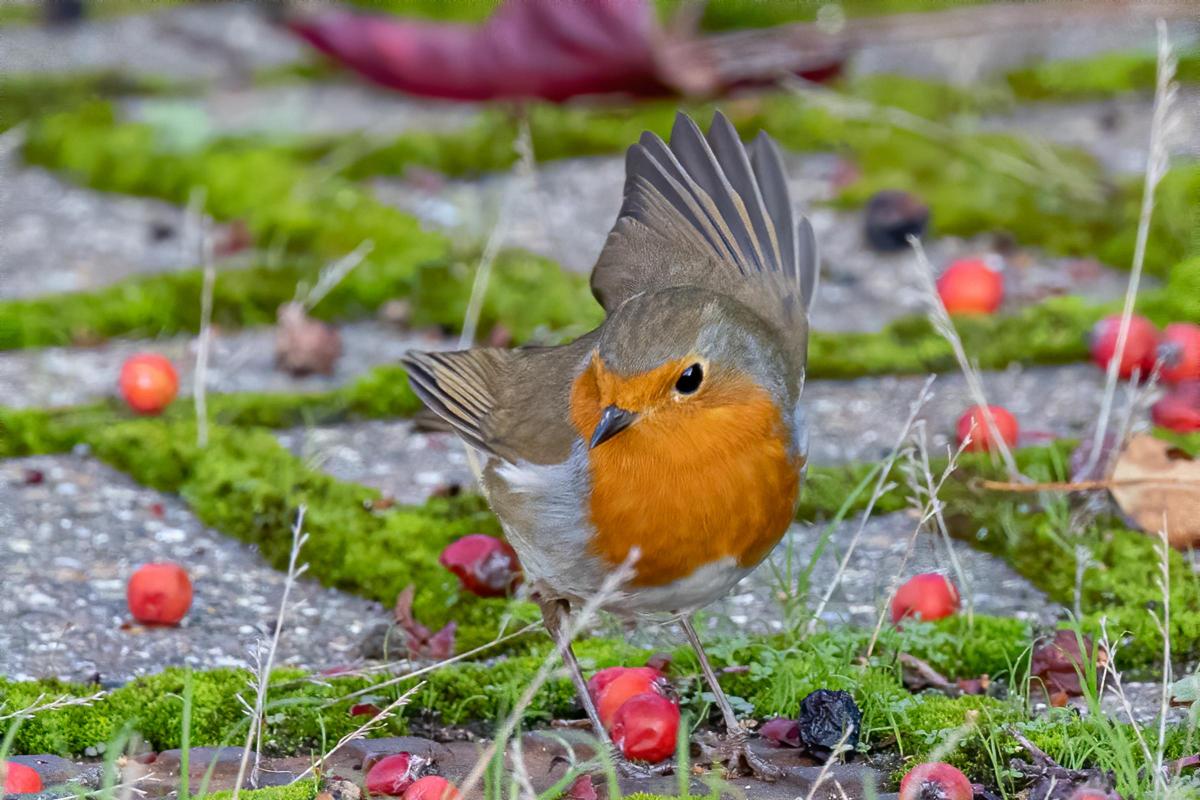
Gardeners are being encouraged to turn their outdoor spaces bird-friendly.
Following the RSPB’s 47th annual Big Garden Birdwatch, which took place earlier this month, British Garden Centres has urged the public to continue supporting garden birds.
The RSPB survey recorded bird activity in gardens across the country, with house sparrows once again topping the list as the most commonly spotted species for the 22nd year in a row.
British Garden Centres believes that gardens can play a vital role in supporting declining bird populations, particularly during colder months when food and shelter can be scarce.
Julian Palphramand, head of plants at British Garden Centres, said: “Your Birdwatch results are the perfect starting point.
“If you had very few visitors at all, that’s your garden telling you it needs more habitat.
“Use this weekend as your baseline, then make small changes and compare your results next January to see the difference.
“Feeders and seed mixes are vital but adding plants that provide natural food and shelter creates a truly thriving, year-round haven for birds, and British Garden Centres has everything you need to turn your garden into a haven for wildlife.”
The company recommends planting berried shrubs such as hawthorn, pyracantha, cotoneaster and holly.
These varieties not only offer a reliable winter food source but also provide nesting habitats and safe shelter from predators.
Gardeners are also encouraged to use quality bird feed and a variety of feeders.
Different birds prefer different setups; ground trays suit blackbirds and thrushes, while hanging feeders attract tits, finches and sparrows.
With changing weather patterns and the memory of last year’s dry summer, the importance of a daily water source cannot be overstated.
A simple dish, kept clean in summer and ice-free in winter, can make a significant difference to birds’ survival.
The company also advises gardeners not to tidy up too soon in autumn.
Leaving seed heads on plants like teasels and sunflowers offers birds a natural food supply through the winter.
Log piles and wild corners encourage insects and offer extra food for insect-eating birds.
Swapping closely mown grass for wildflower areas can boost biodiversity and support more bird species.
For information on wildlife gardening and supplies, visit www.britishgardencentres.com or find your nearest store.
Comments are closed.