
One of the great things about planting a garden is seeing it become part of the local ecosystem. Happy, healthy gardens will attract various wildlife: think pollinators, such as butterflies and bees, and curious mammals of all sizes, from squirrels to deer. But perhaps the gardener’s most beloved visits come from birds.
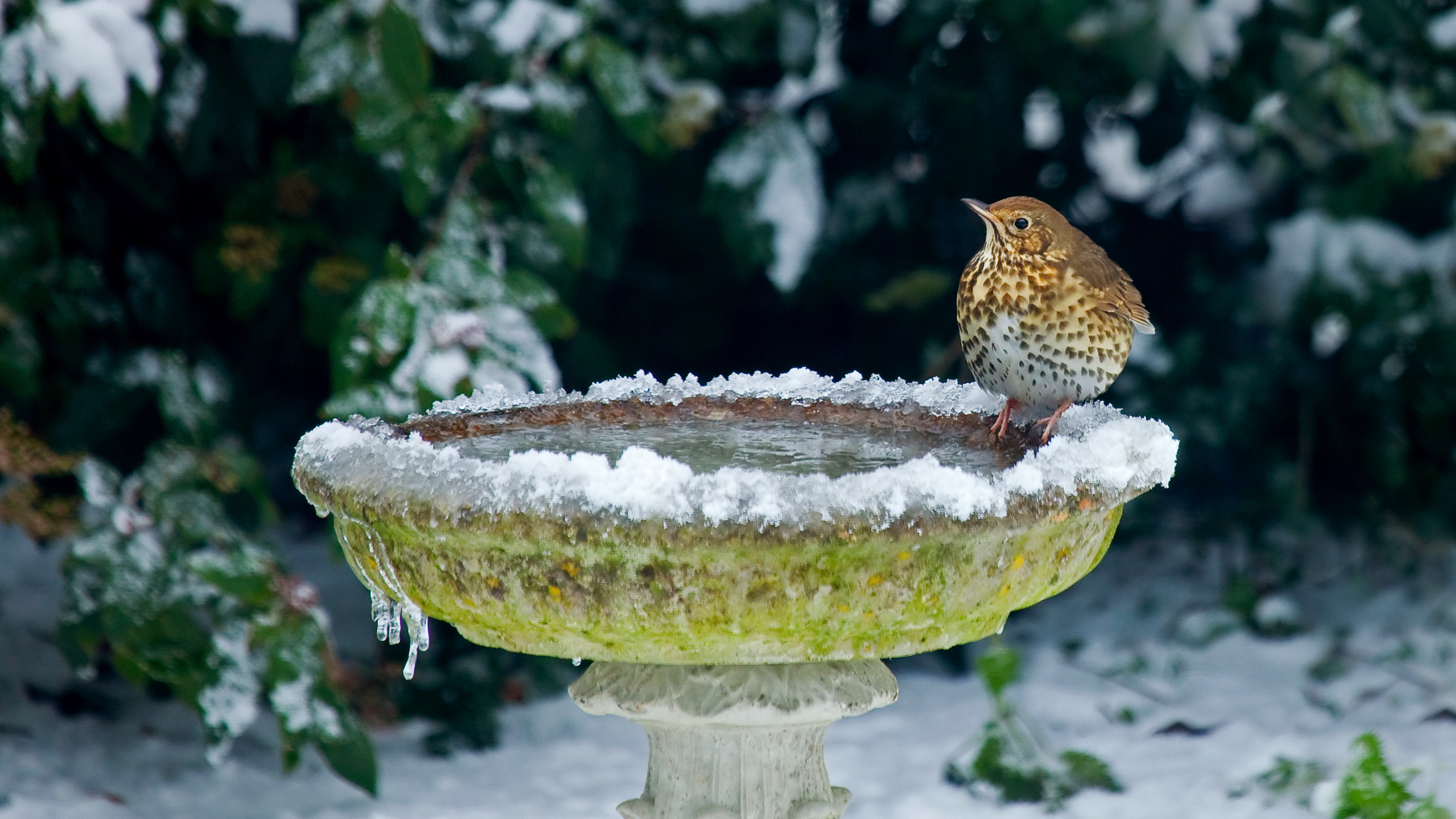
Whether you’re an avid birdwatcher or just like to spot the flutter of feathers in the yard, encouraging birds to your garden is beneficial for everyone. Birds help to pollinate the plants in the garden and the garden can be a vital source of nutrition in return, especially during the colder months when food is scarce.
You may like
If you’re looking to increase the appeal of your yard to birds, then it might seem like the obvious choice is to install a bird feeder. But this isn’t the only way to provide a source of food, and in fact, bird feeders can be a breeding ground for disease. Instead of signing up for the regular maintenance of a bird feeder, why not go with a more natural approach?
Why birds love dogwood
(Image credit: Shutterstock)
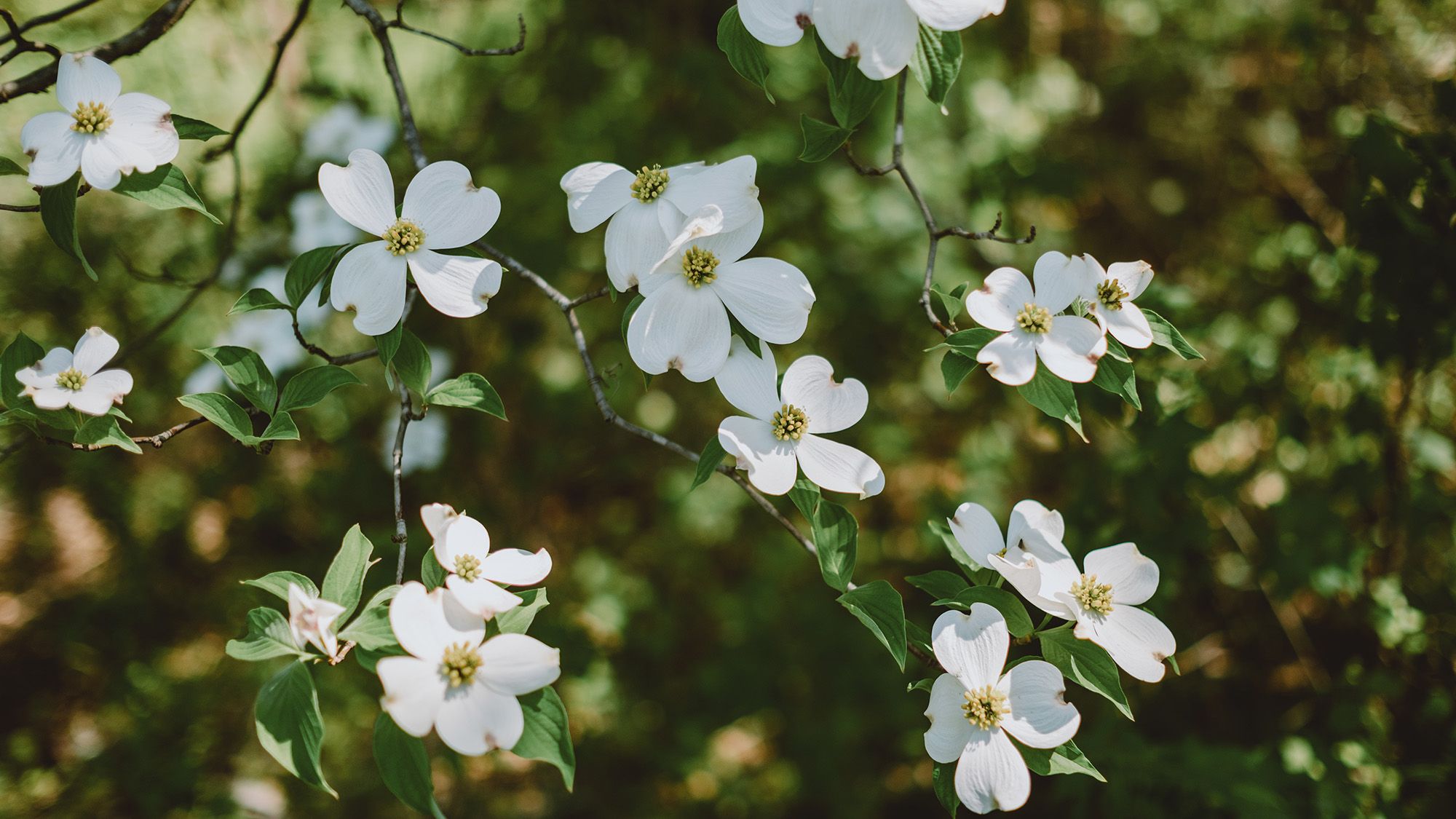
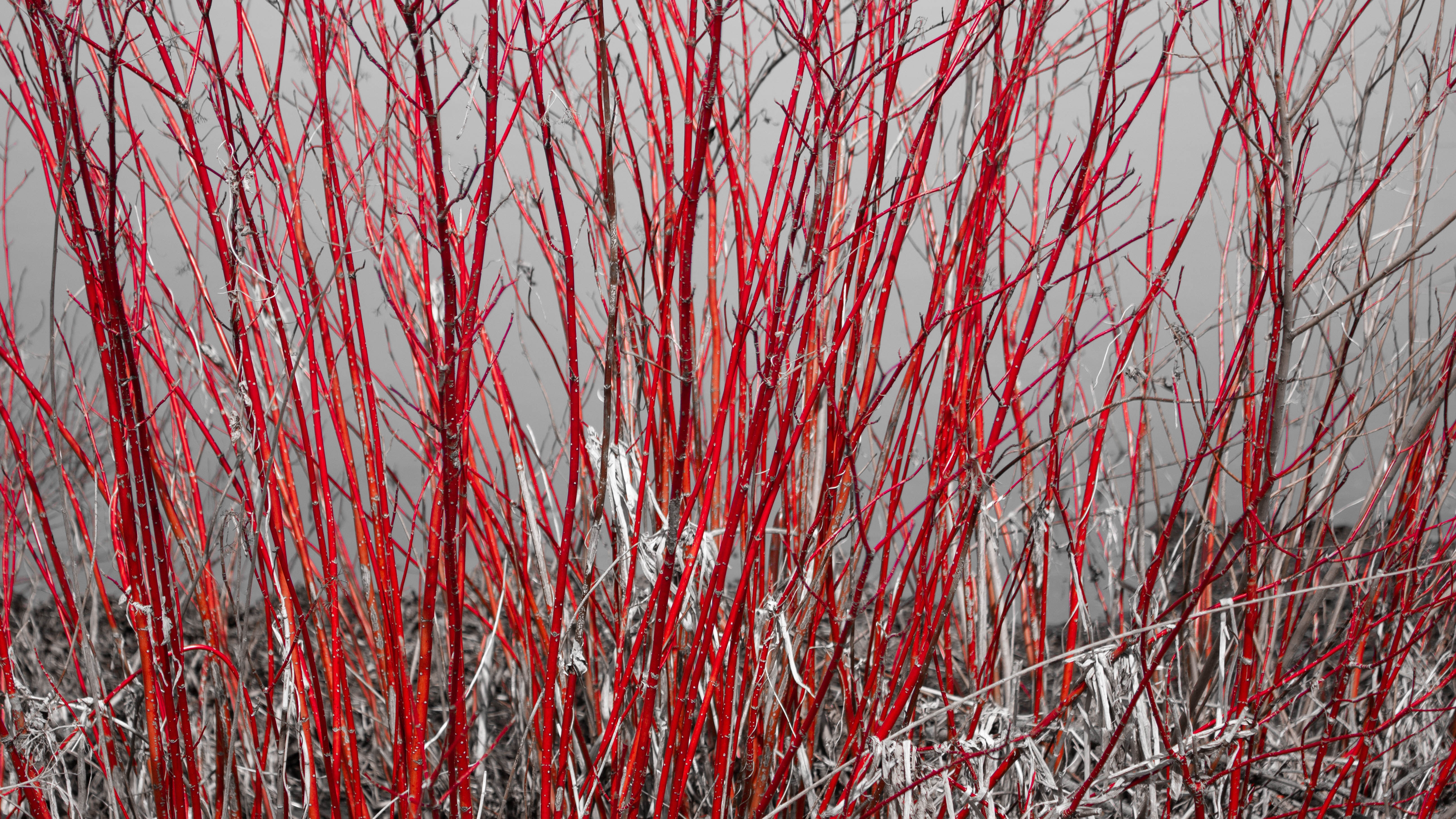
Dogwood trees and shrubs come in a range of varieties, but the species as a whole is known for its year-round interest. It blooms in the spring, before producing luscious berries in the summer months. As the weather cools, dogwood often turns an attractive reddish color, before shedding its leaves in the winter. Many dogwood species also have red stems when they are younger, before maturing into a dull green color.
You can find varieties of every size and shape, making it a perfect choice for most gardens. But dogwood is not just popular with gardeners, but with birds too. The colorful foliage and pretty flowers are attractive to birds, but it’s the berries that are the true lure. Depending on the species of dogwood, the berries can be vivid red, bright white, and various shades of orange, purple, pink, and even blue. Most berries fruit during the summer, meaning you can catch various bird species before they migrate south for the winter (if they migrate).
A healthy dogwood will produce an abundance of berries during fruiting season, making it a reliable source of food for local birds. By planting dogwood, you can make your garden a staple visit for various species of birds, year after year.
How to grow dogwood
(Image credit: Shutterstock)
Dogwood is particularly popular throughout the U.S., since many varieties are native to the country. Depending on your region, there are various hardy options to choose from: those in the colder, northern areas may opt for Canadian bunchberry, while flowering dogwood is popular in the eastern U.S. Look for species that are native to your region for the best success, but you can also find a range of options native to Asia and Europe that do very well in U.S. zones 4 through 8.
As a group, the majority of dogwood species prefer partial shade, but you can find some varieties that enjoy full sun. They prefer rich, well-draining soil that is slightly acidic, and need thorough watering during the summer; don’t risk exposure to drought as dogwoods are not tolerant. Pruning is recommended to help maintain the desired shape, but make sure to do it in late fall or winter so that the dogwood has time to recover before the spring flowering period.
You may like
Alternatives for other regions
There are many shrubs and trees that produce berries at some point during the year, but they’re each suited to different climates and environments. If you don’t live in an area conducive to growing dogwood, or want an alternative suited to your region, consider the following:
Southeastern US: Beautyberry
(Image credit: Getty Images)
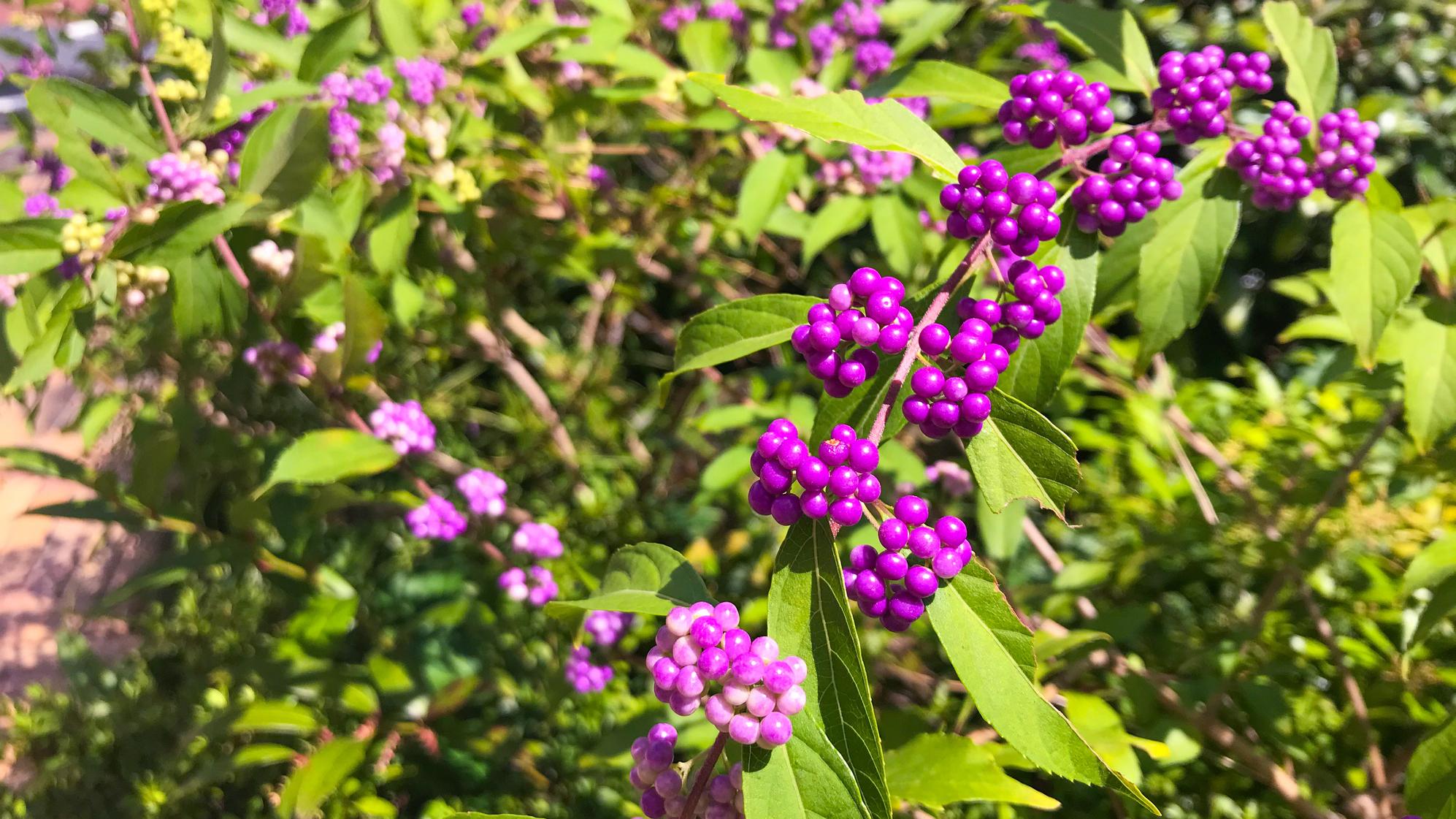
Beautyberry gets its name from its striking clusters of berries that emerge each fall and last into the winter. The berries are a vivid, glossy purple, a color that rarely appears in nature, and this makes them eye-catching to both humans and birds alike. Although humans tend not to like the taste of the raw berries, which can be highly astringent, birds are particularly drawn to the tart fruit. Since the natural growing region of this plant is the southeastern US, northern Mexico, and the Caribbean, it is particularly popular with birds that are also common to the region: mockingbirds, warblers, and thrushes.
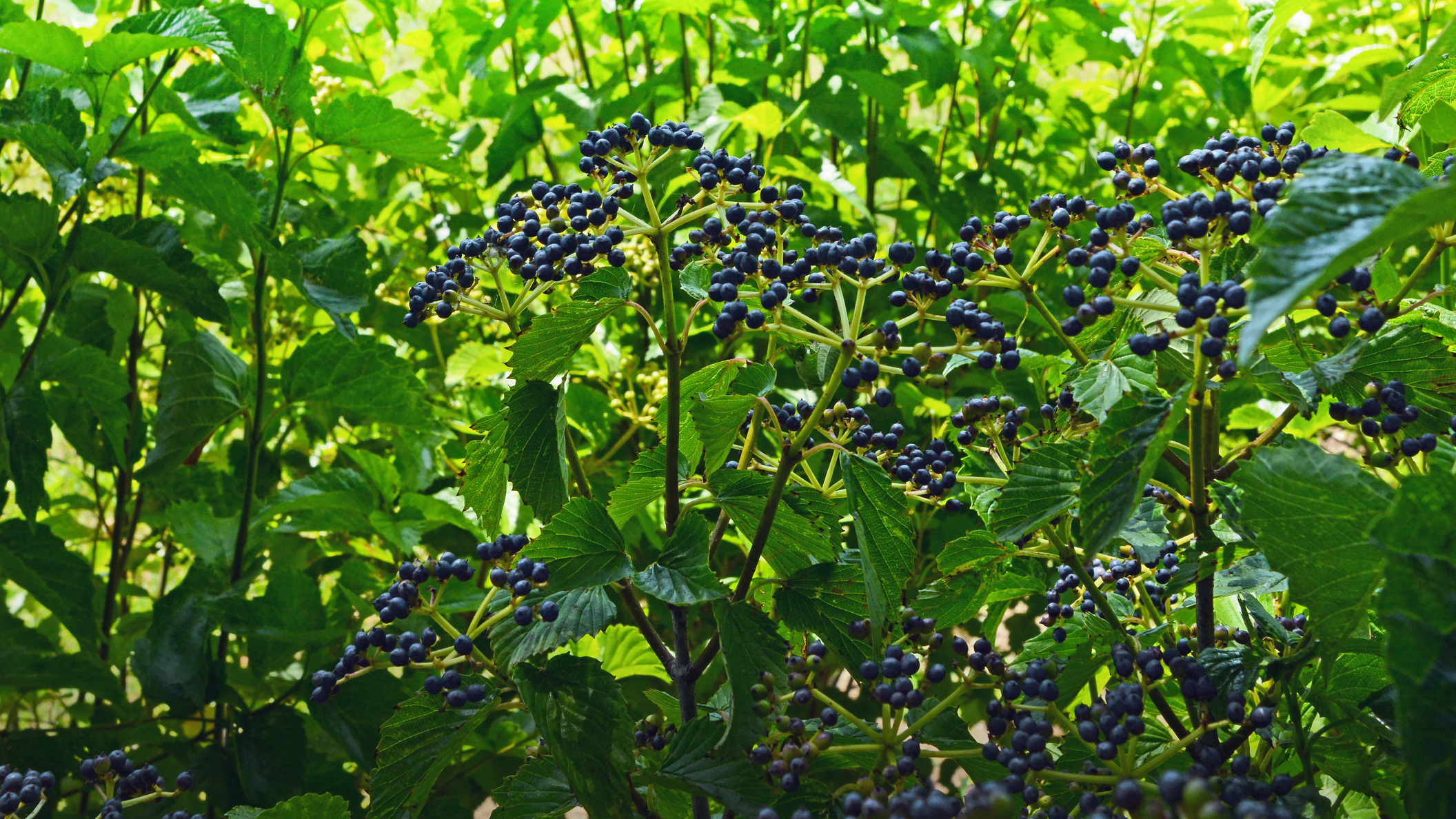
Eastern US: Southern arrowwood
(Image credit: Getty Images)
The Southern arrowwood shrub, also known as arrowwood viburnum, is popular all over the eastern side of the country, since it is native from Maine all the way down to north Florida and east Texas. Reaching between 6 and 8 feet when full grown, arrowwood produces almost fluffy, flat-topped clusters of white flowers in the spring, which then give way to blue-black berries in the summer. These berries can linger all the way until winter, creating a reliable source of food for local wildlife – especially birds, who can struggle to find sufficient food at this time.
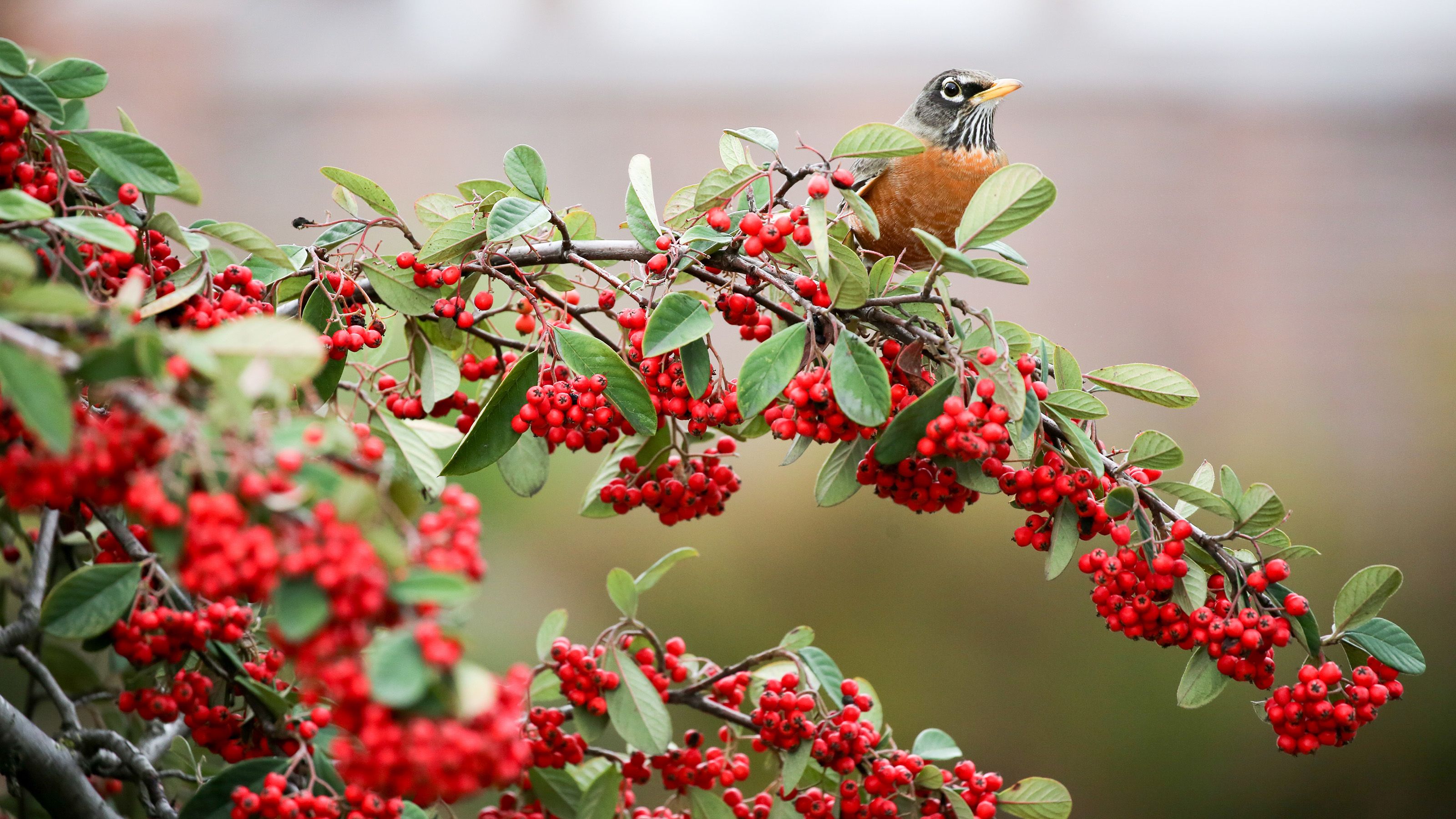
California: Toyon
(Image credit: Shutterstock)
With its more temperate climate, Californians can enjoy vibrant foliage and berries all the way through the winter thanks to toyon. This species of plant grows quickly, sometimes reaching 10 feet in just three years, and the berries it produces are a glossy, bright red.
Since its fruit comes in so late, you also get to enjoy fragrant white flowers throughout the summer. While the berries must be cooked for human consumption, birds love them raw, and toyon is known to attract a range of Californian birds, such as mockingbirds, robins, and cedar waxwings.
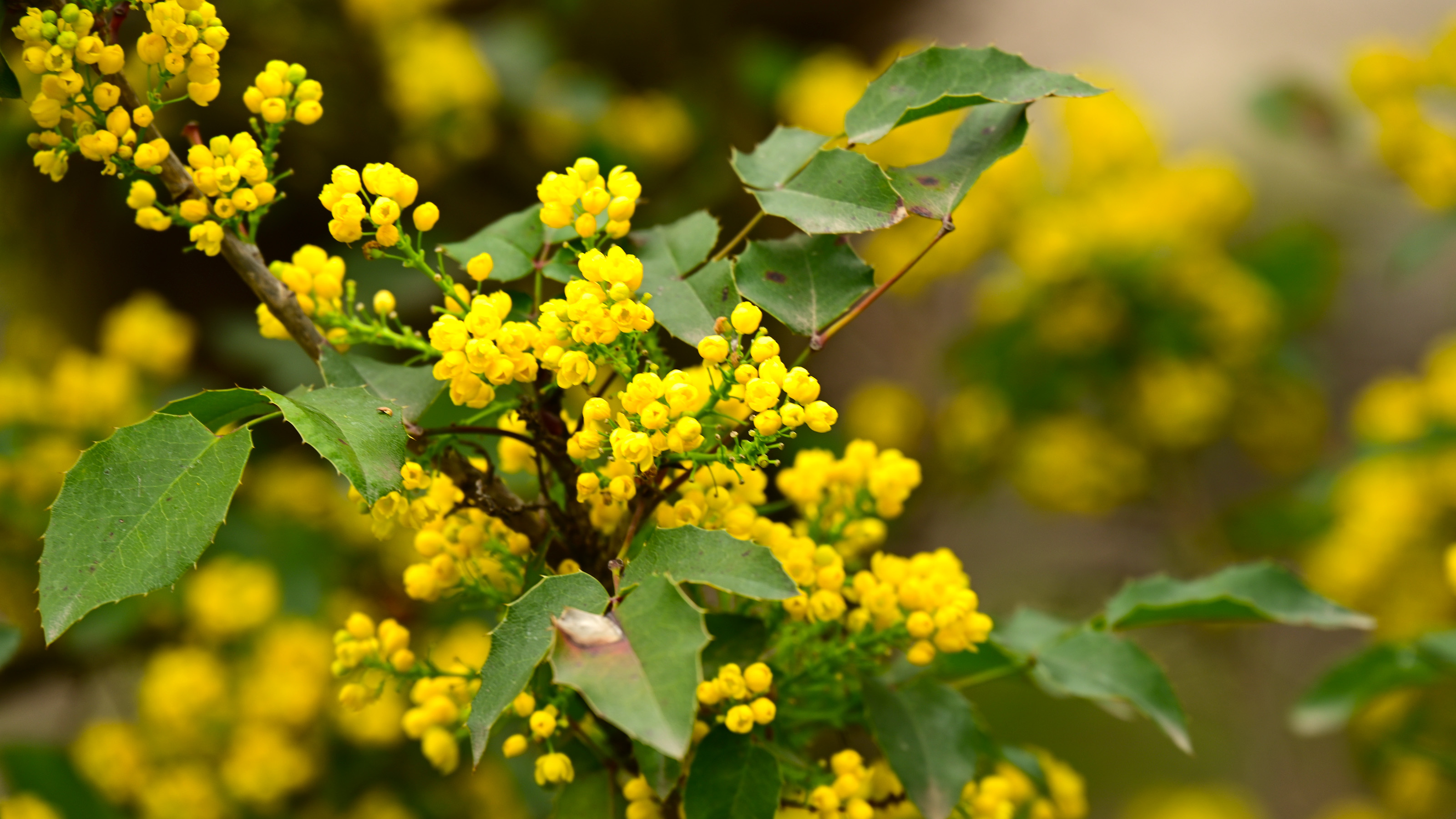
Western US: Oregon Grape
(Image credit: Shutterstock)
As the name suggests, Oregon grape is native to the pacific northwest and northern California. This is another plant with year-round interest, thanks to its holly-like leaves that turn shades of red in the fall. In spring, Oregon grape blooms with clusters of bright yellow flowers, which then ripen into blue-black berries in the summer.
The berries’ resemblance to grapes is what gives the plant its name. While humans are able to eat the berries, we tend to find them too sour; birds, however, are big fans. Common birds that flock to Oregon grape include thrushes, jays, sparrows, and orioles.

Follow Tom’s Guide on Google News and add us as a preferred source to get our up-to-date news, analysis, and reviews in your feeds.
More from Tom’s Guide
Comments are closed.