
We earn a commission for products purchased through some links in this article.
1Roses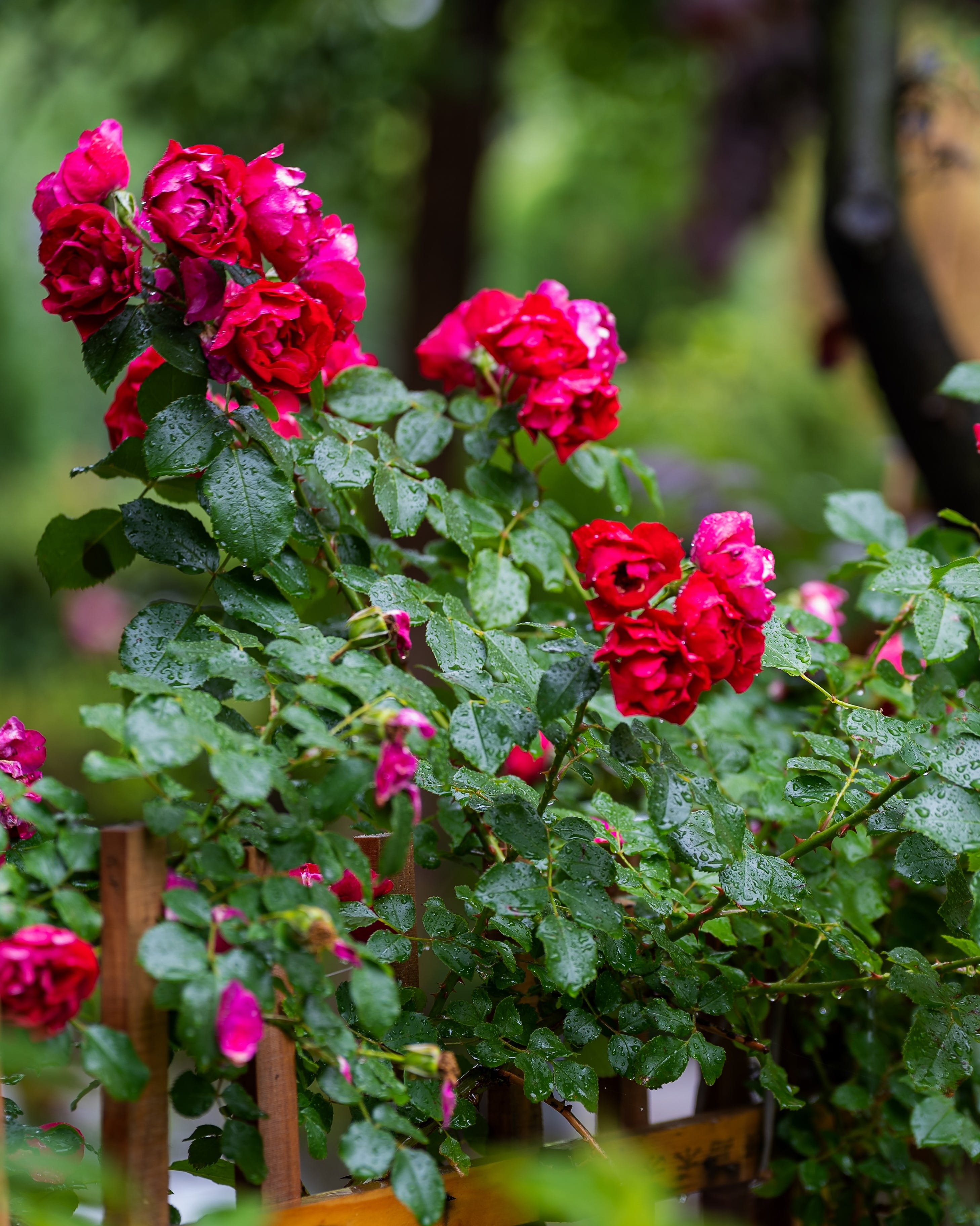 tang zhengshun//Getty Images
“The star of many gardens is another classic winter-pruning candidate,” says Alex Biggart, floral expert at 123 Flowers.
“Late winter, just before buds start to swell, is ideal. Pruning roses effectively should aim to remove dead canes, thin crowded growth, and shape the plant to allow air circulation. This encourages growth and should leave you with larger, healthier flowers when the time comes.”
2Ornamentals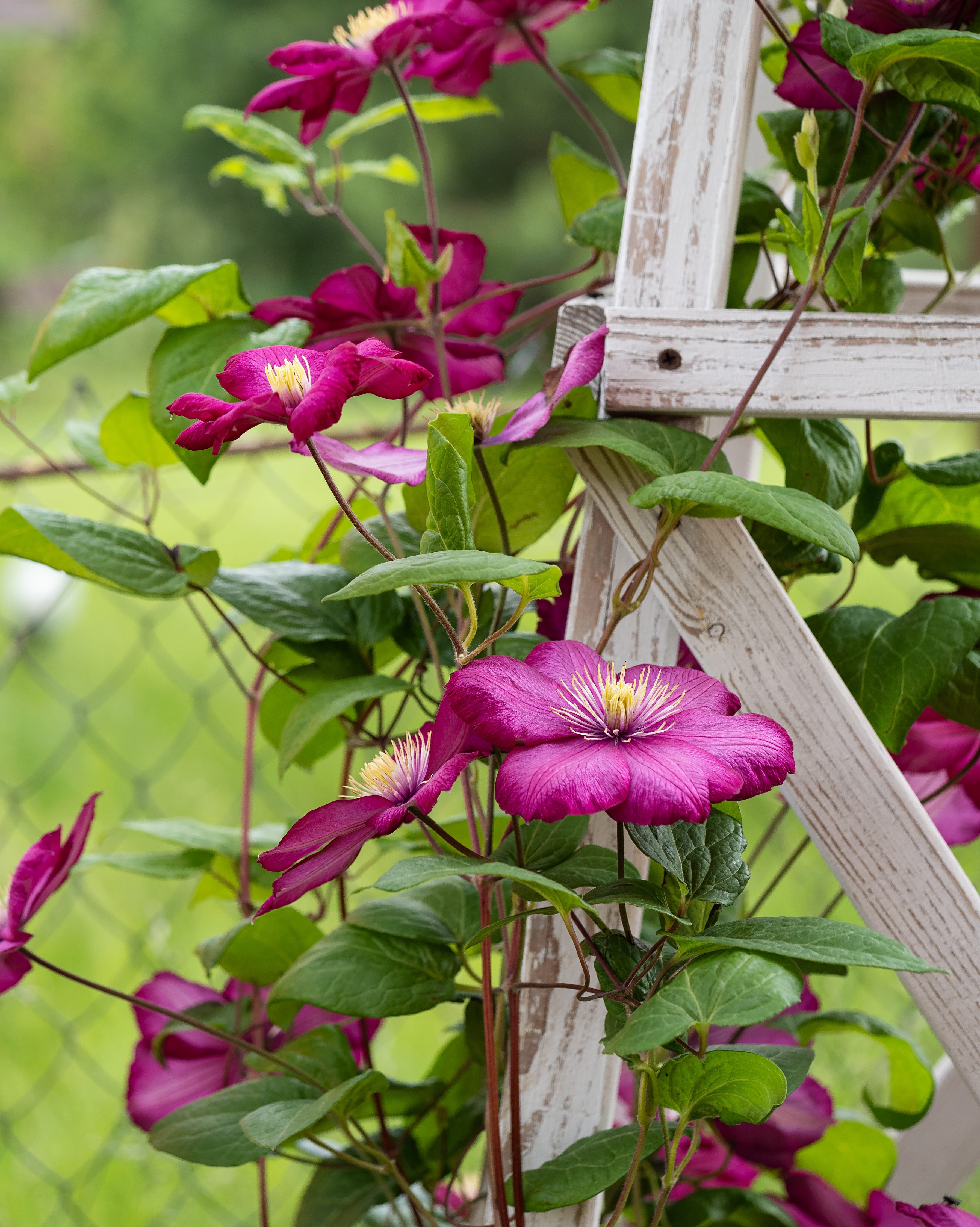 Aleksa Torri//Getty Images
According to Julian, February is a great time to prune back ornamentals such as hydrangeas and climbing clematis.
If you’re not sure how much to cut, he suggests: “Cut back Hydrangeas to encourage larger flower heads, and trim deciduous grasses to ground level before new growth emerges. Prune clematis (late-flowering varieties) hard to about 30cm from ground level.”
Advertisement – Continue Reading Below
3Hedges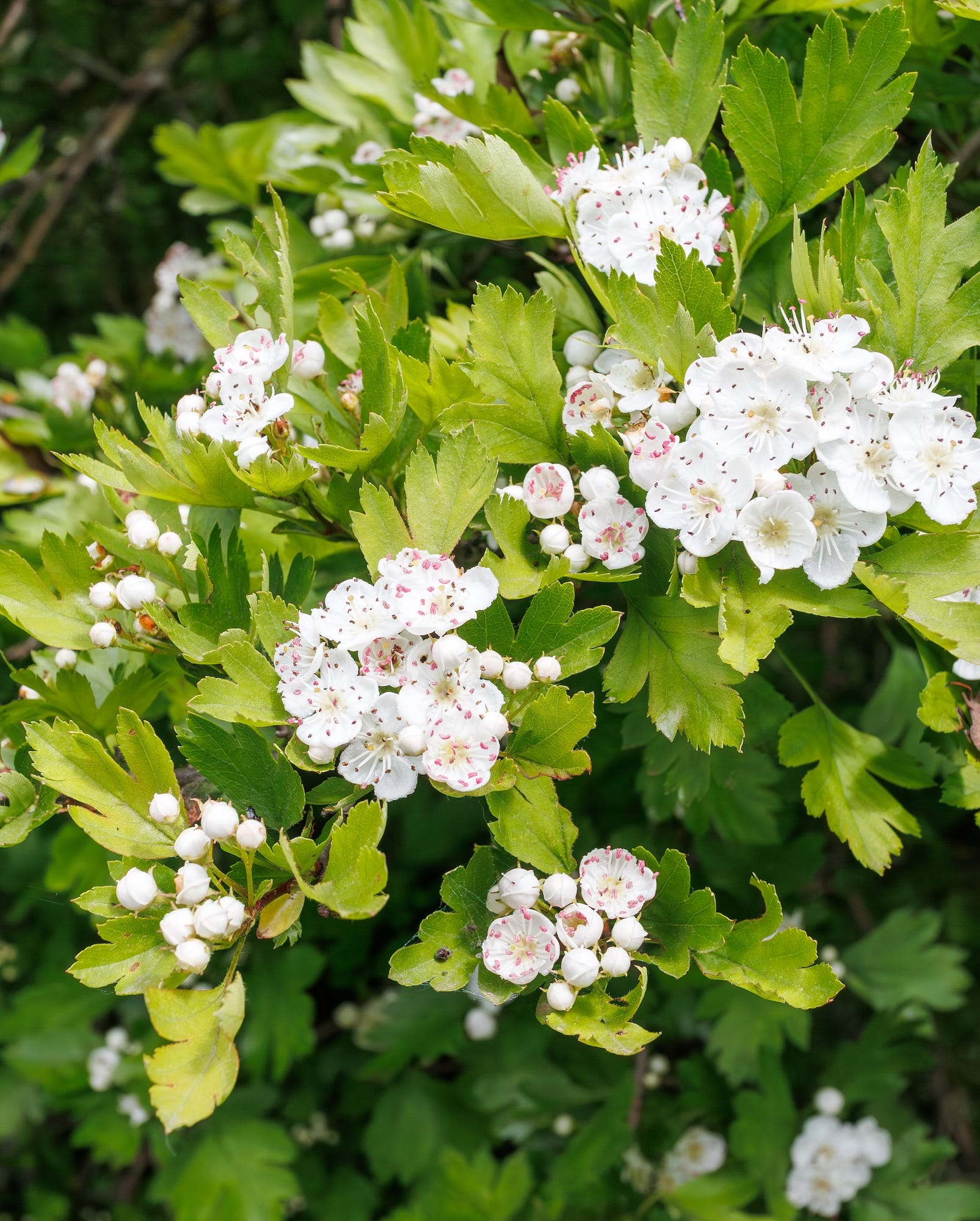 Volodymyr Chmut//Getty Images
“Trim deciduous hedges, including hawthorn, beech, and hornbeam, for a neat finish before spring. Privet can be cut back hard if needed,” adds Julian.
Most hedges can be cut back up ot one-third of their total size, but young hedges should only be cut back by around one-third annually to encourage density.
4Shrubs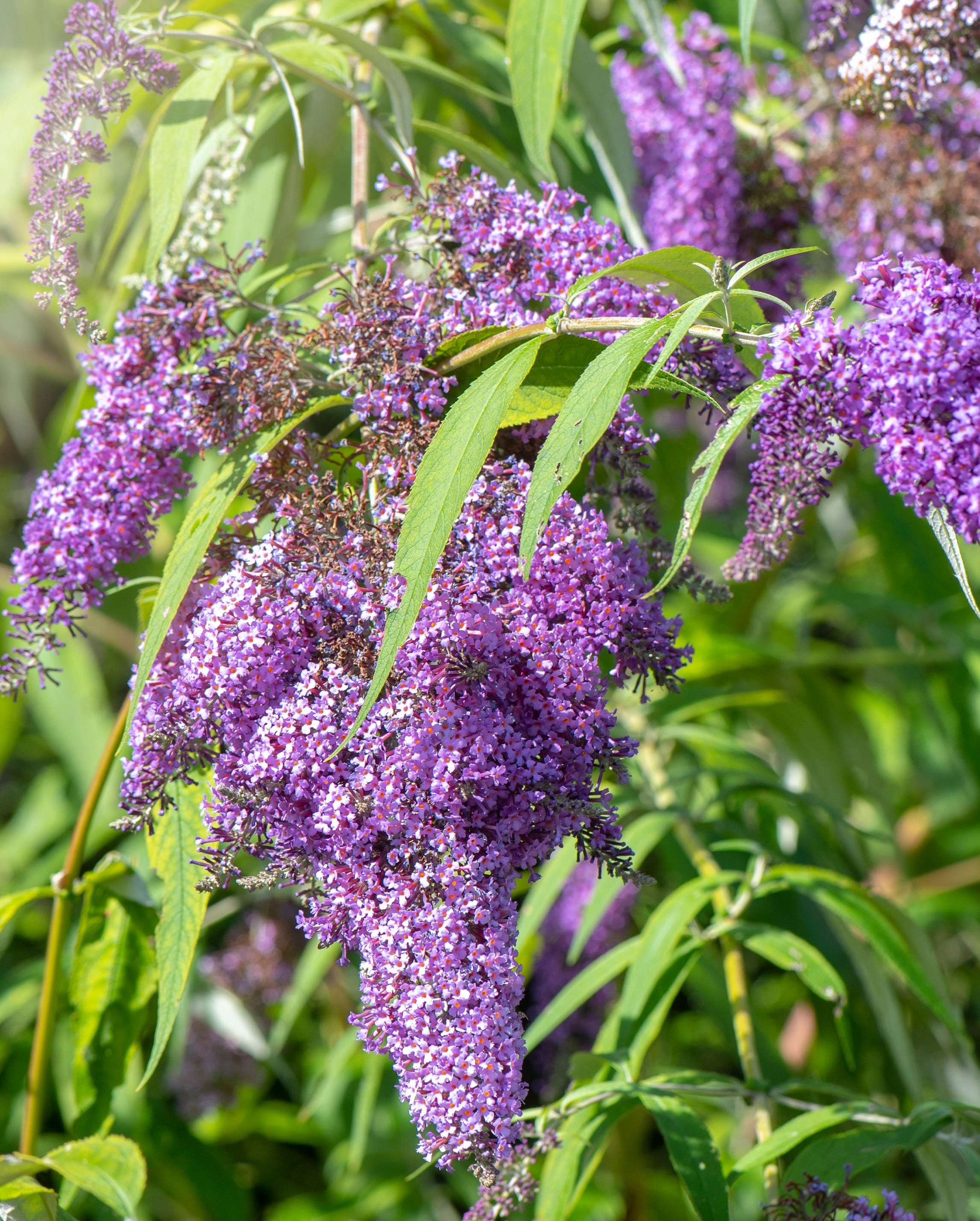 Jacky Parker//Getty Images
February is also an excellent time to prune shrubs, from beautiful wisteria to buddleia.
“Cut back Cornus dogwoods now to encourage the vibrant new shoots that will provide next winter’s display,” says Julian. “Prune buddleia hard as it flowers on new wood and will respond with vigorous growth. For wisteria climbers, shorten the summer side shoots to two or three buds to control size and promote flowers.”
Advertisement – Continue Reading Below
5Fruit trees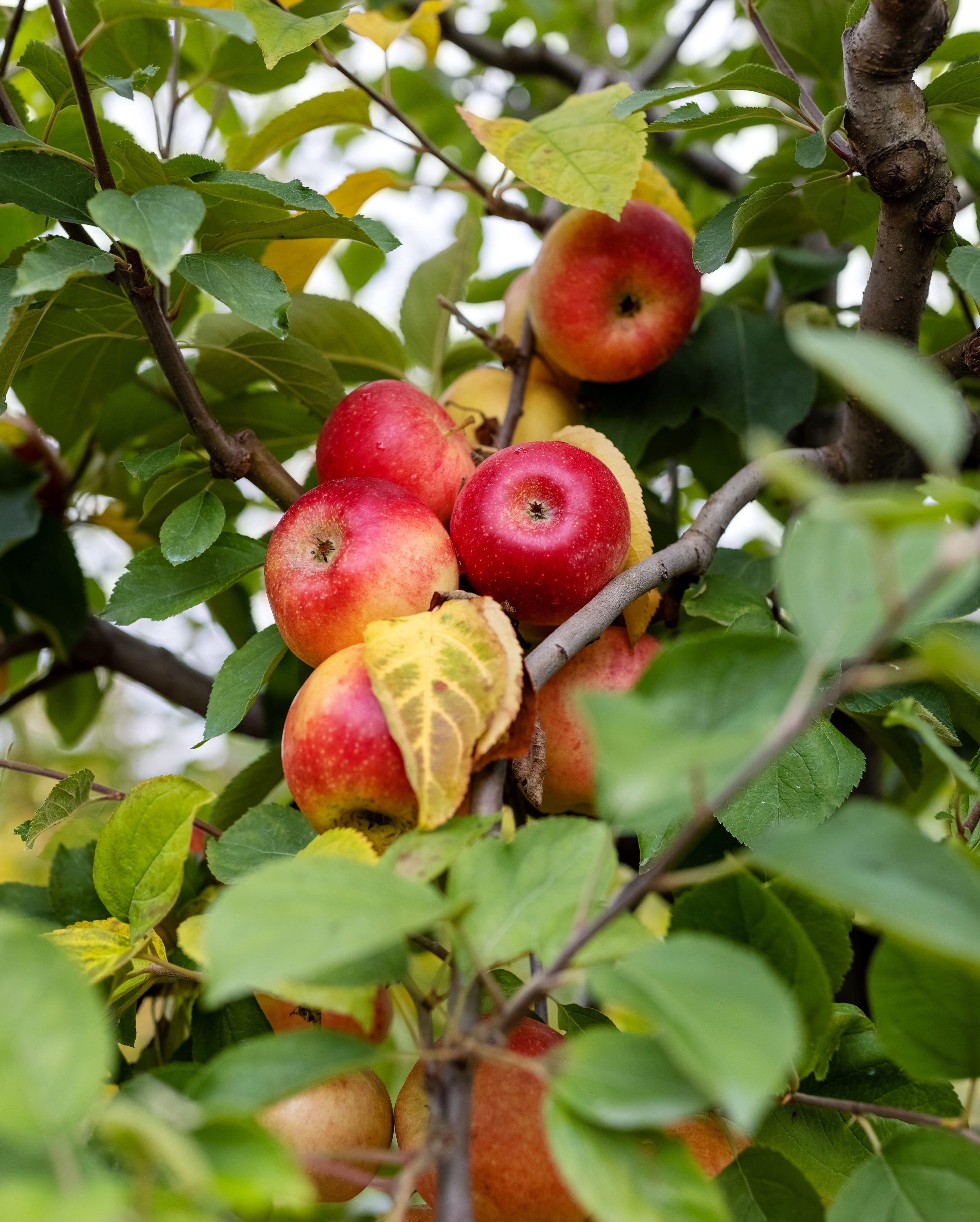 Luis Alvarez//Getty Images
“Prune established apple and pear trees, removing dead or crossing branches and creating an open centre for better air circulation,” says Julian.
“Cut back gooseberries and redcurrants, shortening side shoots to one or two buds. Remove a third of the oldest blackcurrant stems at ground level to encourage new growth. Cut autumn fruiting raspberries completely to the ground.”
6Herb plants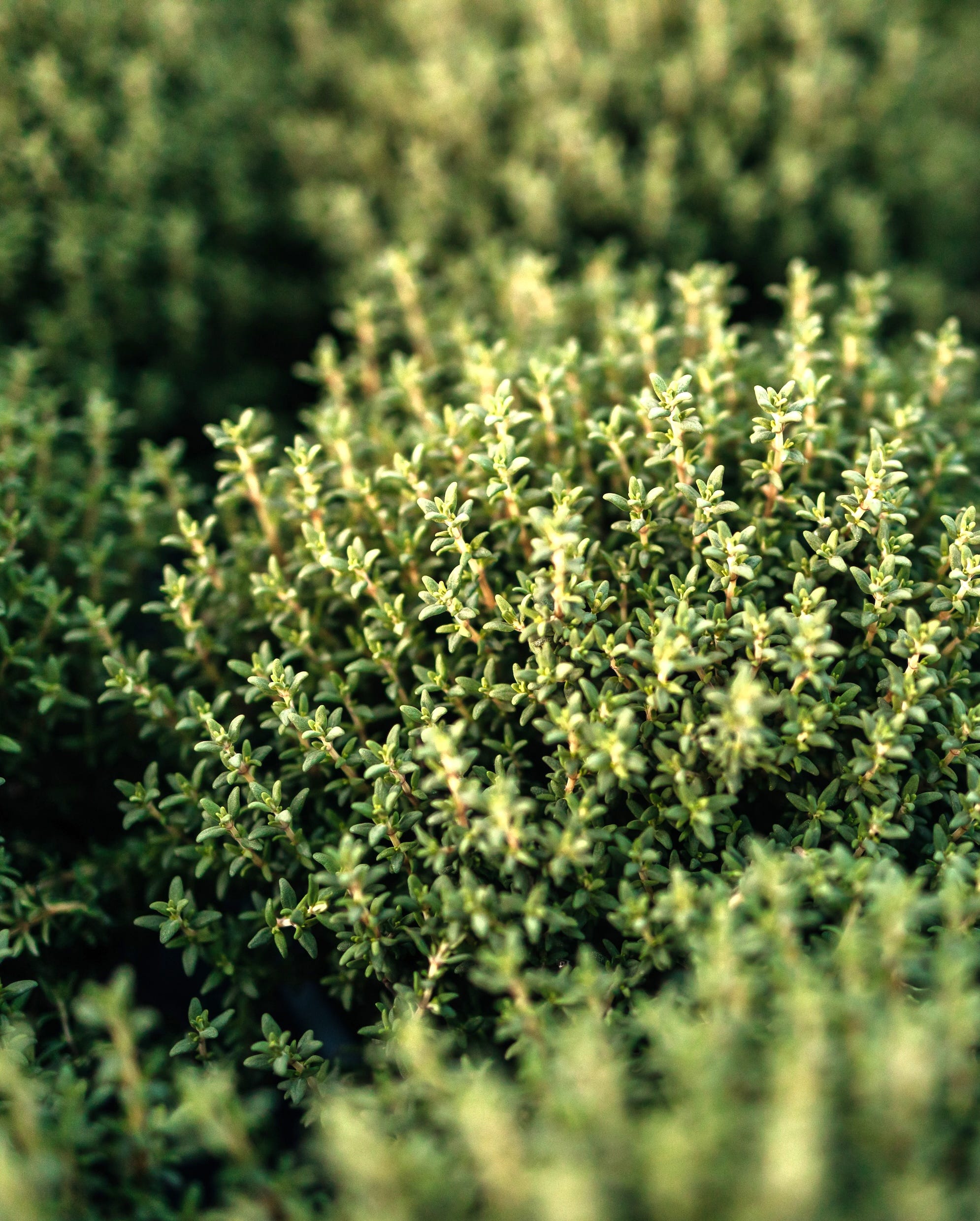 Elena Medoks//Getty Images
Anyone with a culinary-led garden should prune back herbs such as rosemary, sage, and thyme. According to Alex, this will remove old growth, encourage fresh shoots, and keep the plant compact for spring.
“However, avoid cutting too deeply into old woody stems, which may not regenerate,” he explains.

Deputy Daily Editor, Country Living and House Beautiful
Lisa Joyner is the Deputy Daily Editor at House Beautiful UK and Country Living UK, where she’s busy writing about home and interiors, gardening, dog breeds, pets, health and wellbeing, countryside news, small space inspiration, and the hottest properties on the market. Previously, she has written for Conde Nast Traveller, House & Garden and Marie Claire magazine. Lisa studied at University For The Creative Arts, where she completed a BA in Fashion Journalism.
Watch Next


Advertisement – Continue Reading Below
Advertisement – Continue Reading Below
Advertisement – Continue Reading Below
Comments are closed.