
We experienced bitter cold and several significant freezes this past week in south Louisiana. Low temperatures varied, and they influence how much damage occurred to your landscape.
The good news, however, is that temperatures were not as low as we experienced in January 2025, and the effects will not be as severe.
SOUTH SHORE: The New Orleans area was sheltered from the worst cold by the warm waters of Lake Pontchartrain. But significant freezes did occur, with low temperatures reaching the mid- to upper 20s.
Hard freezes in the mid-20s will cause significant damage to tropical plants in our landscapes, but covering plants generally provides good protection. While we can expect that properly covered tropicals have generally survived, there’s still been lots of damage.
NORTHSHORE: North of the Pontchartrain and across south Louisiana, lows ranged from 20 to the mid-20s. These temperatures can severely damage or kill tropical plants that were not protected.
Even plants that were carefully covered may still show significant cold damage. While there will be losses, plants that were properly covered will often survive and recover.
But can we fix it?
When we see a lot of cold damage to our landscape plants, we feel an overwhelming need to do something. This has two categories: We want to do something to help our cold-damaged plants recover, and because we find the abundant damaged and dead growth depressing, we want to do something to make our landscapes look better.
RECOVERY CONFUSION: For helping plants recover, the focus seems to be on pruning. Many people think that pruning their plants after a freeze will help them and wonder how best to go about doing it. But you may also see information that pruning cold-damaged plants can be detrimental to their recovery. Confused yet?

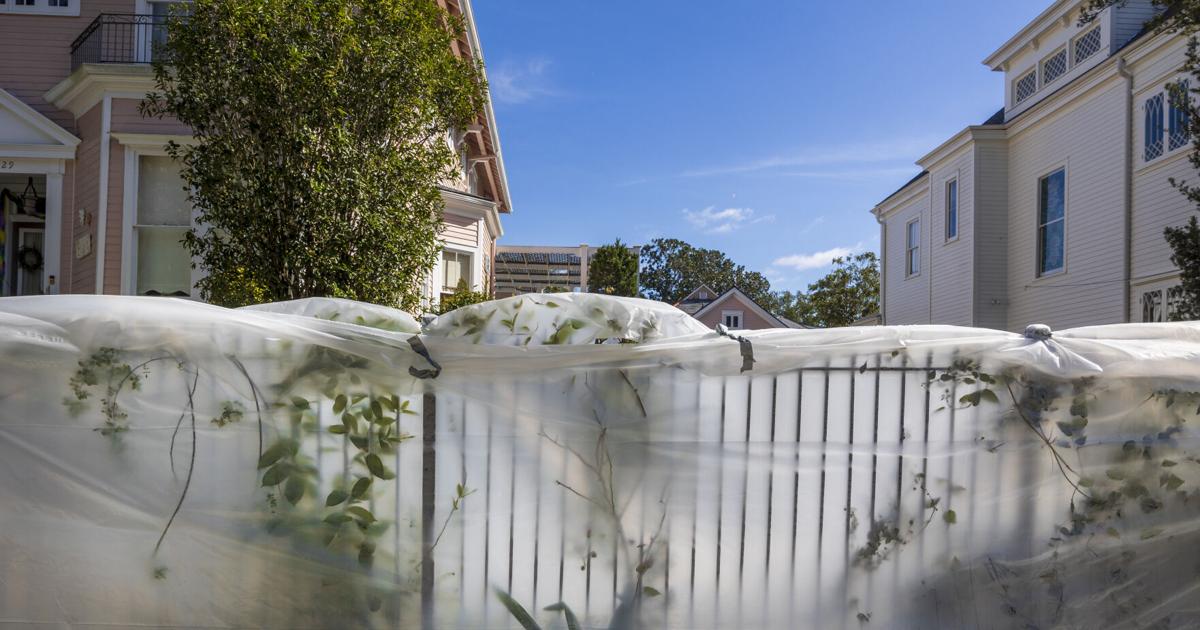
The recent cold could cause significant damage to tropical plants on the south shore even if they were covered. On the north shore, plants that weren’t protected could die.
PHOTO BY CHRIS GRANGER
Let’s be clear. The damage done by these freezes is done. Either your plants survived, or they didn’t. Plants that survived will recover whether you prune them or not. Plants that did not survive will not recover whether you prune them or not.
So, to put things in perspective, the survival of your cold-damaged plants is not dependent on what you do at this point.
LOOKING NICER: Pruning away cold-damaged growth does help make our landscapes look better. No one likes looking at a landscape full of brown plants. If you can’t stand the way things look and you want to prune damaged growth to neaten up your landscape, you certainly can do so.
If you decide that pruning now is the right decision for you, there is a simple guideline to follow: Remove any dead growth, but avoid pruning away anything that is still alive.
If you are not sure what parts of the plant have been killed and what parts are still alive, wait to prune until you can clearly tell.
Don’t fret over this. Remember: Pruning the dead growth does not affect whether a plant recovers.
For plants that have below-ground parts like bulbs, rhizomes, corms and tubers, as well as damaged growth, can be cut back to about ground level.
Most area queen palms should have survived the recent cold snap.
FILE PHOTO BY SCOTT THRELKELD / THE TIMES-PICAYUNE
New growth will grow from the below-ground parts, and you should be optimistic that all these plants will recover because the ground did not freeze.
These include canna, elephant ear, bird-of-paradise, agapanthus (lily of the Nile), amaryllis and gingers. Only the dead leaves of banana trees need to be trimmed off. The trunks are still alive and should not be cut.
Other plants, like New Zealand flax, asparagus ferns, butterfly iris (dietes) and ferns will also send up new growth from ground level when they recover.
There is no hurry to prune dead growth, but do it before they start to send up new growth, or at least as soon as you see new growth peeking out from the ground.
Pruning before the new growth emerges has less to do with the health of the damaged plants and more to do with the convenience of the gardener. That’s because once new growth emerges and mixes with the dead growth, you will have a more difficult time selectively pruning out the dead stuff.
You may see information advising not to remove this damaged growth as it provides insulation against additional freezes. I can’t argue with that, but it does not mean you can’t remove the dead growth to make your landscape look better.
After pruning, simply spread a few inches of mulch over the area to cover crowns and below ground parts. This will provide protection and look much neater than a mass of dead stuff.
Living or dead?
Determining what is alive on cold-damaged woody plants is more difficult. This includes plants such as tropical hibiscus, tibouchina, angel trumpet, duranta, croton, ixora and bougainvillea. The leaves may have been killed, but woody branches and trunks may look similar whether dead or living.
Because of this, it’s generally best to wait for them to sprout out new growth from the still living parts to prune. If you are not sure what part of a woody tropical is alive, be patient. When a woody tropical sends out new growth, it is easy to see which parts are still alive (sprouting) and what parts are dead (not sprouting) and prune accordingly.
If you can clearly determine what is dead and what is alive, feel free to prune off the dead stuff now. Dead branches may look dark brown and shriveled, have bark that is split and coming away from the wood or the tissue just below the bark looks brown or tan when you scratch it with your thumbnail. Avoid pruning off anything that is still alive.
Take heart and don’t let the way your landscape looks get you down. You will be amazed at how great our landscapes look by midsummer. We have recovered from worse.
Comments are closed.