
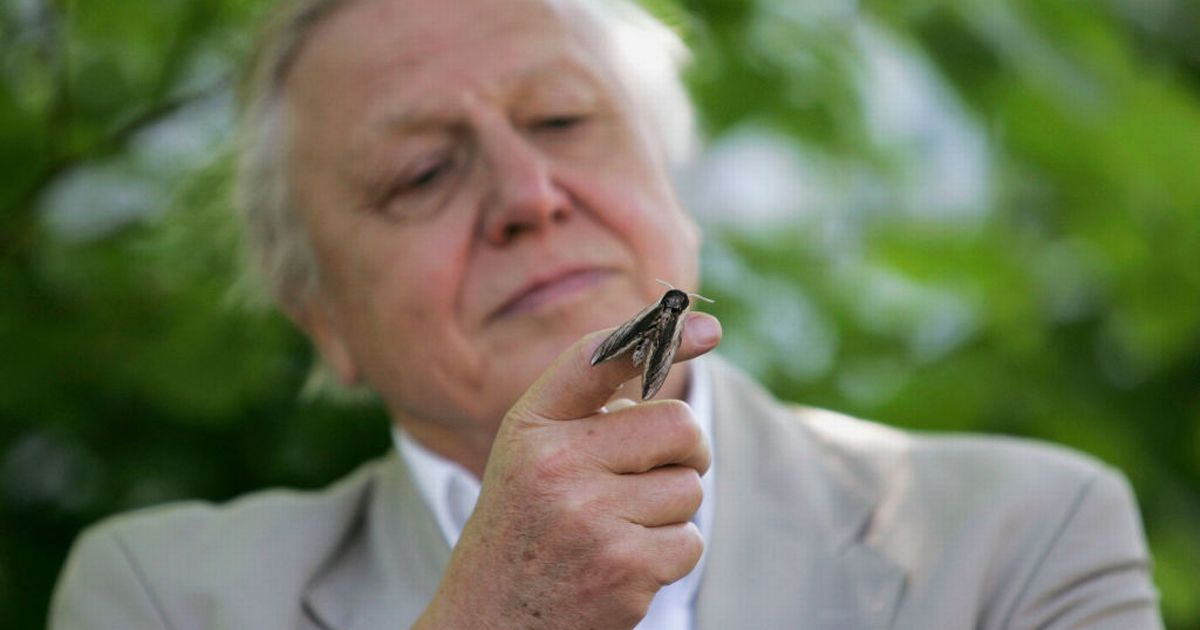
It began when builders found a human skull in Sir David Attenborough’s Richmond garden
Isobel Pankhurst Audience Writer
09:47, 27 Jan 2026
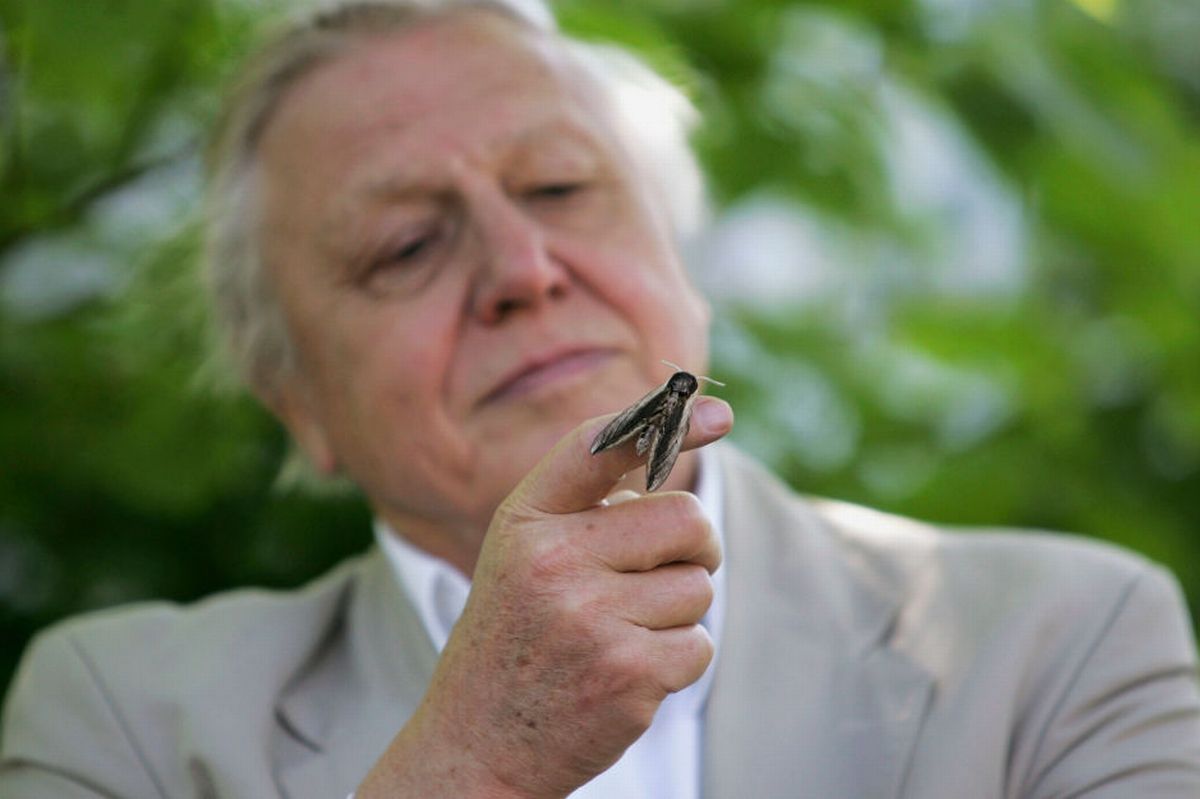
Sir David Attenborough accidentally helped solve a Victorian mystery (Image: Getty)
In 2009, renowned British broadcaster and natural historian Sir David Attenborough purchased a home in the verdant suburb of Richmond, Southwest London. During refurbishment work on October 22, 2010, construction workers made a chilling find when they unearthed a human skull in the back garden.
Naturally, police launched an investigation, which quickly pointed towards the skull belonging to Julia Martha Thomas, a widow who had been killed by her housemaid back in 1879. Following the inquiry, detectives confirmed this was indeed the case. But what’s the story behind this Victorian murder?
On January 29, Julia Thomas employed Kate Webster, an Irish immigrant with a record of minor thefts, as her domestic servant. Webster had come to her future employer’s attention after covering for an ill colleague as a cleaner for a Miss Loder in Richmond.
When Julia met Kate, she immediately took her on without probing into her background, indicating she was probably oblivious to her maid’s criminal past.
Just weeks into the arrangement, tensions between the pair started to escalate, with Julia terminating Kate’s employment on February 28. After this dismissal, Kate succeeded in persuading her mistress to retain her for another three days, a choice that would seal the widow’s tragic fate.
On March 2, Julia turned up at church appearing noticeably “agitated” following a dispute with her maid, before heading back home where she challenged Kate over her poor work.
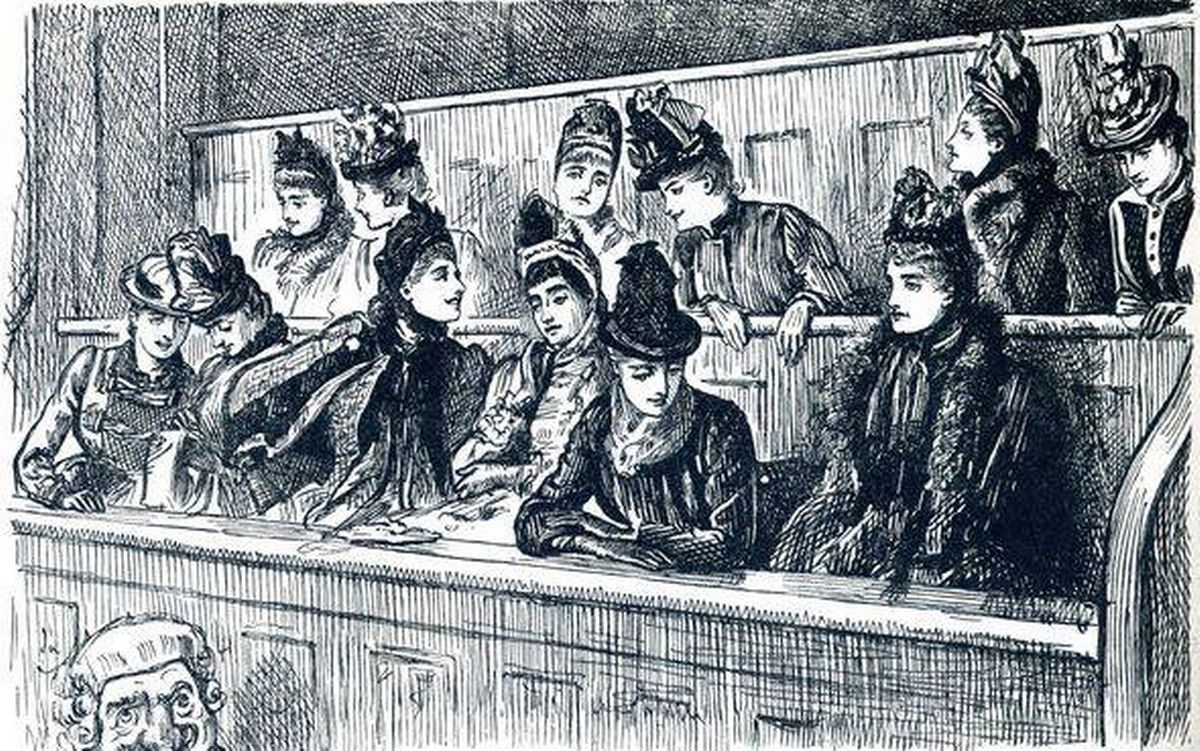
The murder resulted in a rather high-profile court case(Image: Getty)
Admitting to killing her employer, Kate recounted the confrontation: “She had a heavy fall, and I became agitated at what had occurred, lost all control of myself, and, to prevent her screaming and getting me into trouble, I caught her by the throat, and in the struggle she was choked, and I threw her on the floor.”
Afterwards, she got rid of the corpse by cutting it up, boiling it in the laundry copper and incinerating the bones in the fireplace. She then discarded the remaining parts into the River Thames, with the missing head initially believed to be amongst those remains.
There have been allegations that Kate gave the body fat to the local pub, neighbours and children on the street, passing it off as dripping and lard. Yet she never admitted to this, and it remains unproven.
During the fortnight after the killing, Kate impersonated her deceased employer before escaping to Ireland once her deception unravelled and body parts started appearing along the Thames riverbanks. She was later apprehended after detectives tracked her down to her uncle’s farm at Killanne, close to Enniscorthy.
Kate’s trial attracted enormous attention on both sides of the Irish Sea, with even Sweden’s Crown Prince – later King Gustaf V – turning up to watch proceedings one day. She eventually admitted to the crimes, though tried to escape the gallows by claiming she was expecting a child.
On July 29, Kate was hanged at Wandsworth Prison as crowds gathered outside cheered. Whilst the murder was cracked within weeks, the puzzle of what became of Julia Martha Thomas’s head would stay unsolved for 131 years.
Comments are closed.