
Many gardeners use fertiliser to boost both soil and plant vitality, although some opt for natural alternatives. With these, though, not every option delivers genuine benefits.
Many gardeners assert say putting down oats not only provides essential nutrients plants require but can also effectively repel various garden pests.
Ben Hilton, founder and editor of The Gardening Fix, has shared his thoughts on whether this is true.
Recent viral content has shown oats combined with cinnamon and ground into powder for adding to plants, as well as steeped with tea to create liquid plant food.
But while oats do contain nutrients essential for thriving plants, there is one mistake you should be sure not to make.
Ben explained: “Raw (uncooked) oats can be used to add nutrients to the soil and improve soil structure.
“It’s a rich source of nitrogen, potassium, and phosphorus, however, oats would not provide all trace minerals, such as calcium or magnesium.
“Calcium plays a critical role in cell wall development and nutrient transport within plants, whilst Magnesium supports photosynthesis and overall plant health.”
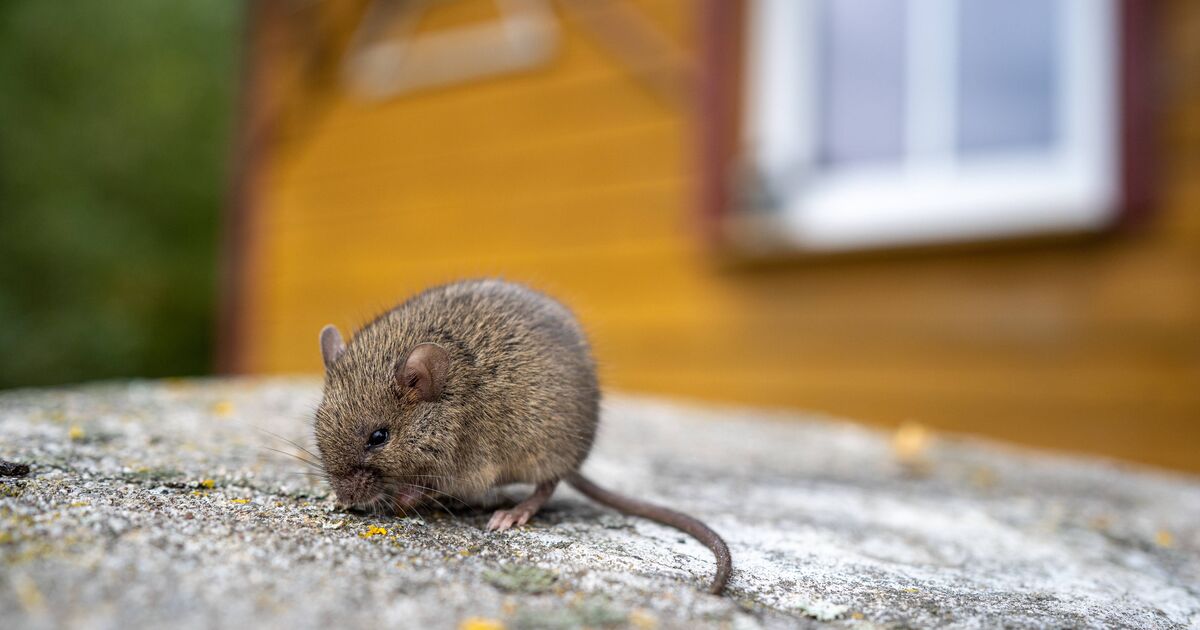
Oats represent a cereal that hasn’t undergone composting, meaning gardeners must recognise that introducing them directly to their plot “will attract pests and rodents” as any leftover grains decompose, establishing conditions conducive to bacterial and fungal growth.
And applying them straight to cultivation areas increases the likelihood of encouraging unwanted visitors.
Prepared oats would prove particularly problematic, acting “like an alarm bell to rodents”, particularly when cooked with milk, sugars, or fats such as butter.
Can oats be added to compost?
Uncooked oats may be introduced to compost heaps where they serve as a “great addition”. However, Ben added: “I would never recommend composting any cooked foods.
“The probability of attracting rats, mice, or other small rodents is extremely high, especially if the oats were prepared with milk or sugar.”
Comments are closed.