
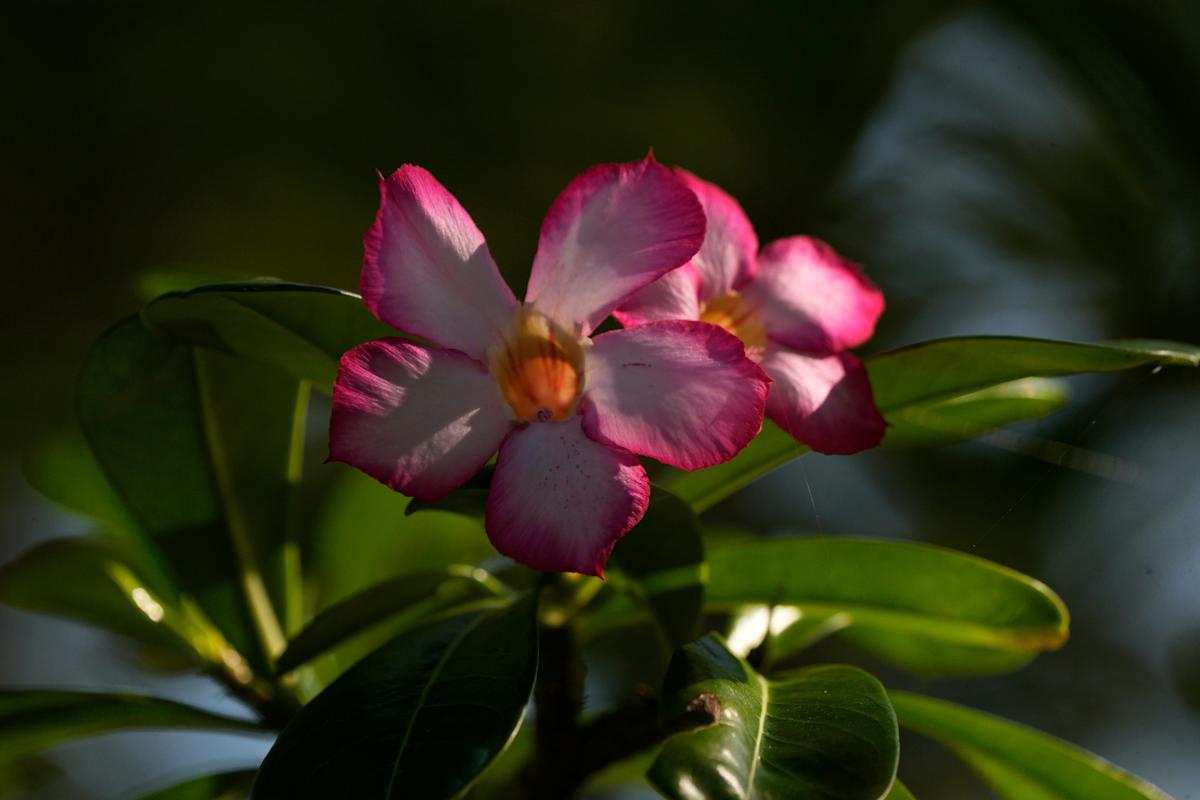
“A garden is a great teacher,” wrote Gertrude Jekyll.
Jekyll was a pioneering English gardener, designer, and writer best known for introducing a natural, flowing cottage-style approach to garden design—one that moved away from the formal Victorian gardens of her time.
Beyond aesthetics, she believed something deeper: that gardening shapes the gardener, cultivating patience, humility, and trust.
Reflecting on this past year in my own garden, I can see how differently the season unfolded than I expected—and how it offered lessons that will stay with me.
Lesson Number One: Less is more. After a long Central New York winter last year, I was eager to begin. Once local garden centers opened and those gorgeous annual baskets and perennials appeared, my enthusiasm got the best of me—and I bought too many plants. Weeks later, several were still waiting in their disposable pots for permanent homes.
I had not fully accounted for everything else on my plate—or how much time and energy it would take to do spring cleanup, prepare beds, and get everything planted. This year, I am right sizing my plans. “Less is more” will be my mantra, with limits on purchases and one or two weekends set aside specifically for planting.
Lesson Number Two: One shift can change everything.
Two years ago, I identified the source of many of my gardening struggles: the dozen walnut trees on our property. Walnut trees release juglone, a natural toxin that can cause nearby plants to wilt or die. It took time to accept what my garden was clearly telling me—make a change.
After much procrastination, I moved my perennials into containers near our back entrance. They thrived.
I added more container gardens, and that space quickly became my favorite place to spend time. It was a powerful reminder that small changes can lead to surprising, even beautiful, rewards.
Lesson Number Three: Local garden wisdom is everywhere. Central New York has a strong gardening culture, and this year I leaned into it—connecting with neighbors, garden club members, the Wild Ones native plant group, and the Cornell Cooperative Extension. CCE Oneida and Madison Counties will be joining together to collaborate on hosting a Regional Master Gardener Volunteer Training held on Saturdays from Fall 2026 through Spring 2027. If interested, more details will follow come June.
Also, if interested in getting involved in a local club in the new year; some meet during the day and other in the evening, please send an e-mail to the Fifth District Federated Garden Club, Inc. at districtvfgcnys@gmail.com.
Interested in native Plants connect with the Wild Ones visit their website at https://mohawkvalley.wildones.org/ for more information.
Gardening is a natural community builder. Sharing passions, failures, and successes invites connection—and growth. As the season winds down, I am grateful not just for what grew, but for what I learned. Like Gertrude Jekyll understood so well, a garden teaches through lived experience and quietly shapes who we are becoming as gardeners.
Cornell Cooperative Extension Oneida County answers home and garden questions which can be emailed to homeandgarden@cornell.edu or call 315-736-3394, press 1 and ext. 333. Leave your question, name and phone number. Questions are answered on weekdays, 8am to 4pm. Also, visit our website at http://cceoneida.com/ or phone 315-736-3394, press 1 and then ext.100
This article originally appeared on Observer-Dispatch: Reflecting on life lessons from my garden
Comments are closed.