
Key Points
Keep yards well-drained by clearing gutters and creating swales or rain gardens.
Eliminate exposed soil by using ground cover plants, mulch, or gravel.
Build walkways with absorbent materials, pavement, or stepping stones in high-traffic areas.
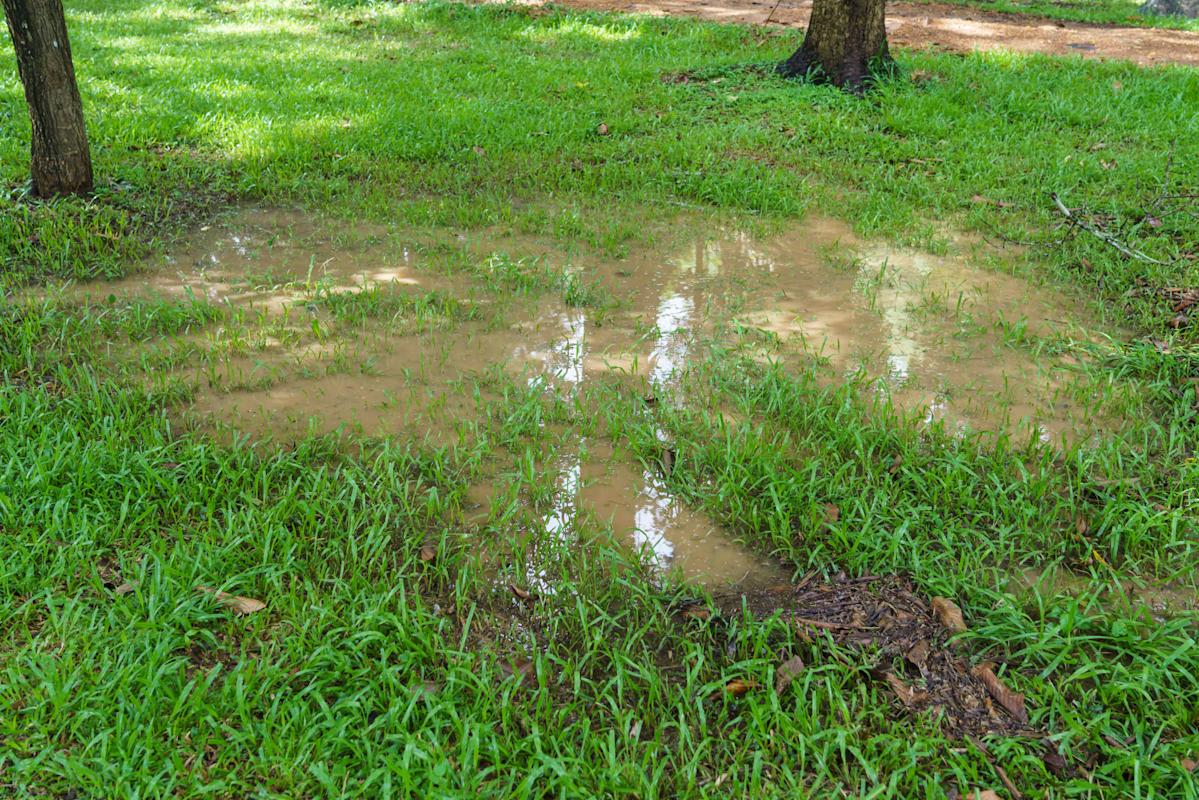
We’re in the midst of winter, which means a lot of rain impacting your outdoor areas—especially yards and gardens, where mud can quickly get out of hand and make the ground feel unstable.
Making sure your yard is ready for spring planting means knowing how to control mud in winter. So, the pros are here to share their top five tips on managing and preventing mud this season (and beyond).
Meet the Experts
Greg Cuoco is the CEO of The Difference Landscapes, based in New Hampshire.
Tammy Sons is a plant, gardening, and horticulture expert, and the CEO of TN Nursery.
Gene Caballero is a landscaping expert and founder of GreenPal, an on-demand lawn mowing company.
Improve Drainage
One of the best ways to prevent mud from forming is to keep runoff water from reaching your yard at all—which often starts on the roof rather than on the ground.
“First, I would start with improving the drainage,” landscaping expert Gene Caballero says. “You can do this by clearing gutters and directing downspouts away from walkways or pathways.”
According to fellow yard pro Greg Cuoco, another way to redirect water flow is to dig a shallow trench called a swale, which allows runoff to flow down as your yard or garden naturally slopes.
Plant Ground Cover
Mud tends to form wherever soil is exposed, so covering as much ground as possible with native ferns, sedges, flowers, and greenery is an ideal way to keep things under control while also making outdoor areas feel more lush and vibrant year-round.
“In the early spring or fall, plant water-absorbing ground cover such as primrose, Japanese sweet flag, or wintercreeper in bare or patchy dirt areas,” Cuoco suggests.
Add Absorbent Materials
If mud is a major issue that needs taking care of now, you can also reach for a few of our experts’ go-to absorbent materials as a ground cover alternative until the spring planting season comes around.
“Add gravel or crushed stone to high-traffic areas to provide traction and stop the soil from turning into mud,” gardening expert Tammy Sons says. “You can also use mulch or wood chips on bare beds to absorb moisture and protect the soil.”
Build a Rain Garden
Another one of Sons’ favorite mud management methods for practicality and a prettier yard is a rain garden, which is a shallow dip where as much runoff water as possible is directed.
After heavy rainfall, water is collected in a rain garden and slowly absorbed back into the soil, nourishing any native flowers and greenery planted around it in the process. These areas can help support drainage and keep excess water under control, while providing an area for wildlife to thrive.
Create Walkways
At the end of the day, rainy days and storms are bound to happen over the winter period, and mud can still materialize despite using all the best techniques.
To help keep your home’s entryway clean and make getting in and out of the house easier on severe weather days, both Cuoco and Sons recommend creating pathways in slippery, high-traffic areas by using stepping stones, gravel, mulch, or even pavement if possible.
Read the original article on The Spruce
Comments are closed.