
Key Points
Growing peas indoors allows you to enjoy fresh, crisp vegetables year-round, no matter the season.
To grow thriving indoor peas, provide ample sunlight, well-draining soil, regular watering, and vertical support.
Choose compact pea varieties, like snap or dwarf types, and harvest pods every few days for the best yield.
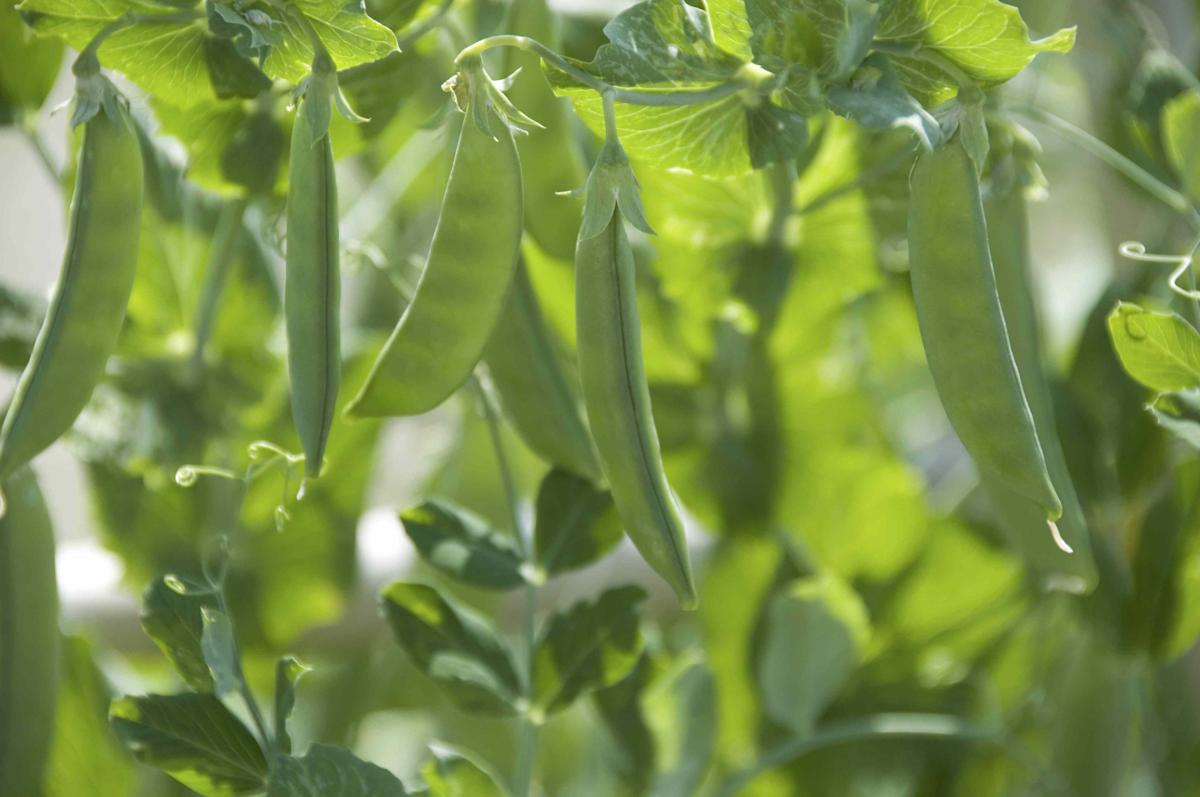
Growing peas may sound like a gardening endeavor relegated to spring, but with the right setup, you can yield a delicious crop of crisp peas indoors year-round. So long as they receive ample sunlight, regular waterings, well-draining soil, and vertical support, these vegetables can thrive inside on your windowsill—no matter the season. To help you cultivate a healthy crop, we consulted an expert gardener who shared her tips for growing peas indoors.
Meet the Expert
Faith Calan, gardening expert and garden and landscape manager at the Goodstone Inn and Restaurant
Related: 7 Vegetables You Can Plant in January, According to Gardening Experts
How to Plant Peas Indoors
Planting peas indoors is a relatively simple and low-maintenance process. For the best results, start pea seeds in a pot about 12 to 14 inches in depth and diameter. This will allow adequate space for the pea plants to reach maturity without needing to be repotted, says gardening expert Faith Calan. Fill the container with well-draining soil, then sow pea seeds 1/2 inch deep and 2 inches apart, adding two to three seeds per container.
How to Care for Peas Indoors
Peas are very easy to grow and do not require a lot of maintenance. Follow these simple tips to make sure your indoor pea crop thrives.
Water
Allow your pea seeds to remain moist throughout the entire germination and growing process, Calan says. Once they mature, water when the top 1 to 2 inches of soil feels dry.
Light
Pea seeds need at least eight to 10 hours of sunlight to thrive. “South-facing windows are best at providing this, but if you still find that placing them in the window is not providing enough sunlight, you can supplement with an LED grow light,” Calan says.
Soil
Plant pea seeds in potting soil amended with compost for indoor gardening, as pea seeds do best in well-draining, fertile soils with a slightly acidic to neutral pH.
Fertilizer
Look for a fertilizer that provides a balanced amount of nutrients to the soil, such as one with a nitrogen-phosphorus-potassium (NPK) ratio of 5-5-5 or 10-10-10. “You can also choose an NPK fertilizer that has higher levels of phosphorus and potassium over nitrogen, such as 5-10-10, to promote growth without excessive foliage,” says Calan. For an organic approach, use fish emulsion or a mixed manure.
Temperature
Peas prefer temperatures between 60 and 70 degrees Fahrenheit. If you can’t maintain this range indoors, consider using a heat mat.
Best Pea Varieties to Grow Indoors
There are several pea varieties suitable for growing indoors, including snap peas, snow peas, or dwarf varieties, says Calan. “I find ‘Sugar Snap’ and ‘Sugar Ann’ as great snap varieties to grow, while ‘Oregon Sugar Pod’ is my go-to for a snow pea, and ‘Little Marvel’ is a great dwarf variety,” she says.
How to Prune Peas
Pea plants are low-maintenance and don’t need to be extensively pruned. Calan recommends pinching off the tops of the plant when the seedlings reach about 6 inches in height to encourage lateral growth for larger yields. While you’re pruning, remove any dead or diseased branches to retain vitality. “A good rule of thumb is to prune no more than 20 to 30 percent of the plant at any given time,” says Calan.
How to Trellis Pea Plants Indoors
Many pea plants can be trellised as they grow, even indoors. Snap peas and snow peas are two great examples, says Calan. When deciding on the type of trellis for your plant, consider the height the plant will reach once mature. This will tell you the height of the trellis you should use, she adds. Stick stakes into the soil and tie the trellis directly to the stakes. “As the pea shoots begin to grow upward, keep an eye on them and tie them to the trellis as needed, ensuring they’re growing in an upright fashion,” Calan says.
How to Pollinate Pea Flowers
Pea flowers are self-pollinating, meaning you do not have to worry about the pollination process when growing indoors. Each flower carries both the male and female parts necessary for reproduction, says Calan. This is not to say that pea plants cannot still benefit from being pollinated with the help of insects, but it is not needed and may be difficult to achieve indoors.
How to Harvest and Store Peas
Harvest pea plants about 65 days after planting. To harvest, hold the pea stem and gently pinch the stem above the pod. Harvest them every couple of days to enjoy fresh peas. Store them in a perforated bag in your refrigerator, where they should last for up to a week.
Common Problems
Peas might be some of the easiest vegetables to grow indoors, but they can face some challenges. One of the most common issues you’ll encounter is Fusarium wilt. This is caused by a pathogen that restricts water flow to plant stems, says Calan. As a result, pea plants will appear wilted or drooping even if they are receiving adequate hydration. “A way to combat this is by choosing varieties that are resistant to wilt and turning your soil over before planting,” she advises. Sun exposure can also reduce the spread of this pathogen.
Powdery mildew is another disease that commonly affects pea plants. “If you notice the foliage looking as if it is coated in a white powdery substance—thus the name—you may have an issue with powdery mildew,” says Calan. Powdery mildew is more prevalent during hot, humid weather. A way to combat it is by spraying plants with diluted apple cider vinegar, she says.
As far as pests, aphids can be a common issue. Aphids suck the sap out of plants, thus weakening them. Treat an aphid infestation by spraying your pea plants with neem oil or insecticidal soap.
Read the original article on Martha Stewart
Comments are closed.