
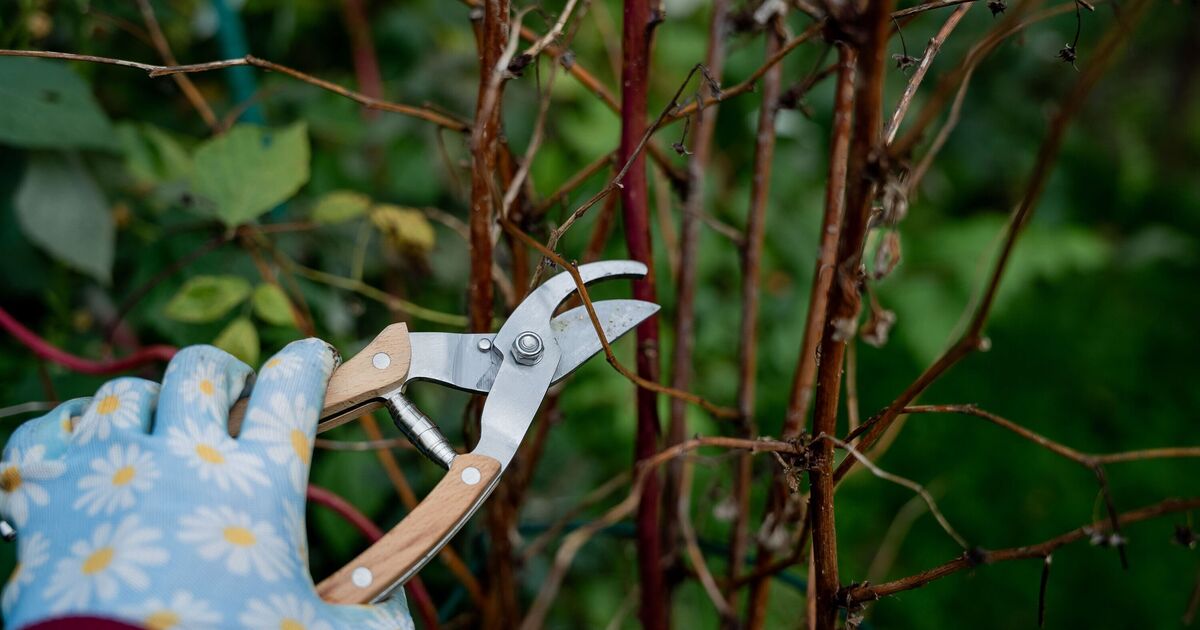
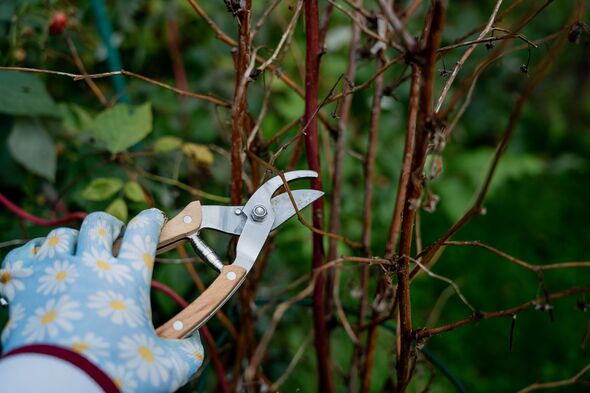
There are a number of plants that would benefit from pruning now in January and February (Image: Getty)
Even though it is chilly outside, there are still some key gardening jobs that need to be done. And getting to work now will help you achieve a lush garden full of growth in spring and summer.
One of those jobs is pruning, and according to James Ewens, gardening expert at Green Feathers, there are six trees and plants that should be pruned now rather than later in the year. Getting the timing right for pruning is crucial; prune too early, and you risk poor growth and killing the plant off, and prune too late, and it will have little effect. James said: “January gardening sets the tone for the year ahead. Albeit you’ll need plenty of layers of clothing to brace the cold, but it’s worth it when all those lovely bulbs and plants rear their heads come spring.
READ NEXT: Gardener shares job that should be done now to ‘reduce weed growth’ in spring
READ NEXT: Hydrangeas will bloom bigger flowers if 1 ingredient is added to soil

Pear trees should be pruned in January (Image: Getty)
“Pruning, protecting plants, feeding the soil… It’ll all pay off when your spring garden feels fruitful and brand new. January is also one of the hardest months for our wildlife populations, so making them an all-year-round priority is essential.”
James said there are six trees and plants that benefit most from pruning now, he added: “Pruning dormant plants should be one of your New Year’s resolutions.
“Fruit trees like apple and pear trees, berries, roses, and deciduous shrubs like dogwood and hydrangeas benefit from being pruned in January, promoting healthy, strong growth come spring.
“Remove any dead, diseased or crossing branches to improve airflow and reduce the risk of pests and disease later in the year.
“For fruit trees, winter pruning allows them to maintain structure, improves light penetration, and encourages fruit growth.
“There’s a few things to consider when pruning: ensure the weather is dry and frost-free, and secateurs and garden tools are clean and sharp to avoid damaging plants.”
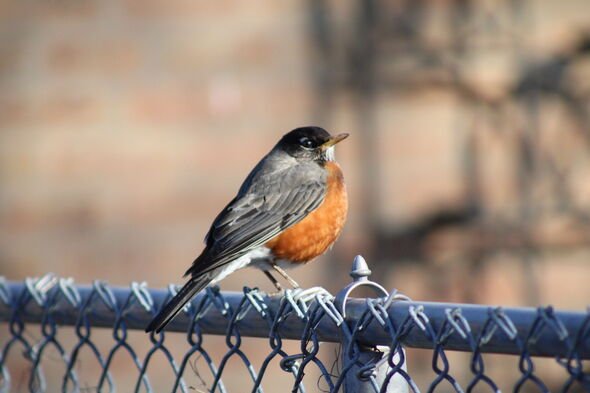
James said it is also wise to help support local wildlife this winter (Image: Getty)
He also said there were some other important tasks that should be completed now to protect the health of your garden.
Firstly, mulching with organic matter can prepare and nourish your soil, James said: “Applying a thick layer of organic matter, like well-rotted compost or manure, shredded leaves, or bark, in winter, allows nutrients to break down slowly – enriching the soil ahead of the growing season.
“Spread a thick layer (around two to four inches) of organic matter over the soil, ensuring it isn’t padded down too compactly so airflow can still circulate. Keep mulch a few inches away from plant stems and crowns to prevent rot and pests.”
Some mindful planting can also be done, James advised, as long as the ground isn’t frozen or waterlogged; it’s a good time for bare-root plants and shrubs.
He also said it is essential to protect plants from frost and snow by investing in horticultural fleece to shield them. And given the cold weather, James said it was an excellent time to ensure you are supporting local wildlife.
He added: “Keeping feeders topped up with high-energy foods like suet balls and seeds can be a lifeline during cold spells, and replenishing water so it stays fresh and ice-free is essential for drinking and bathing.”
Comments are closed.