
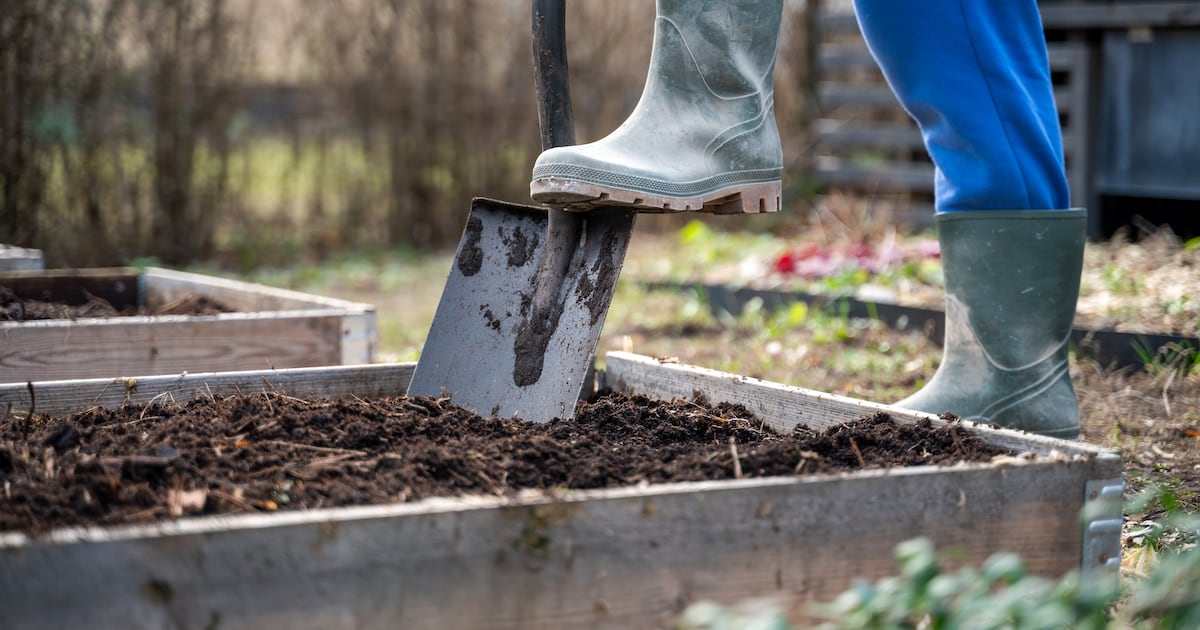
Is it still too early in the year to start digging over vegetable and flower beds and getting them ready for planting? I’d like to get a head start, but a gardening friend says I should hold off until spring.
Cliodhna M, Cork
I understand your appetite for getting going on prepping your garden for the beginning of another busy season. Time well spent in the coming weeks can make a big difference when it comes to being prepared for the arrival of spring and the many different jobs that suddenly clamour for our attention. That said, it’s important to recognise the fine line between the jobs that can and can’t be safely carried out at this time of year without causing serious damage to soil structure and undermining the biodiversity of our gardens and allotments.
Unless you’re working undercover in a polytunnel or glasshouse, for example, I’d hold off from rotovating, heavy digging or forking over the soil until mid-March at the earliest. Likewise, I’d be slow to clear old, faded growth from flower and vegetable beds, not only for the fact that it can protect against heavy winter rains and icy temperatures, but also because it offers a safe harbour for garden wildlife until conditions improve.
But both hoeing and hand-weeding are fine at this time of year, just so long as soil conditions aren’t frozen or waterlogged underfoot. If in doubt, place some wooden planks on the ground to spread your weight and protect the soil from compaction. For very weedy, overgrown areas that you’d like to cultivate, covering the ground with well-rotted manure followed by a sheet of strong plastic or some overlapping sheets of thick cardboard (weigh these down) will also really help to kick-start the process of clearing them, without requiring heavy digging work.
[ My garden has heavy clay soil that gets waterlogged in winter. What can I do?Opens in new window ]
Winter pruning is another job that can be safely carried out at this time of year and will make a great difference to the appearance, health and successful flowering/fruiting of certain plants such as roses, apple and pear trees, fruit bushes, grape vines, wisteria, and some kinds of clematis. Just make sure to do it on a dry, frost-free day, to reduce the risk of spreading plant diseases or accidentally causing damage to plants. If you grow hellebores, then this is also a good time of year to cut away the old foliage as a way of reducing the risk of disease blighting the appearance of the emerging flowers.
Late January is also an excellent time to pre-order seed potatoes, dahlia tubers, and seed of a variety of hardy and half-hardy annuals, and to stock up on garden sundries such as seed compost, garden fleece/bionet and plant labels, as well as to organise for garden machinery to be professionally serviced. All will make a real difference when it comes to managing the spring rush with ease.
[ We have a problem with squirrels in our garden. What can we do to keep them at bay?Opens in new window ]
Comments are closed.