
Mike Hogan
| Special to The Columbus Dispatch

Gardening tips for healthy vegetables
Make sure you follow these 3 tips for a healthy vegetable garden.
ProblemSolved, USA TODAY
Gardeners should order seeds in January for the best selection of popular vegetable varieties.Prioritize planting vegetables your family enjoys eating to avoid waste.Select plant varieties that are appropriate for the size of your garden space.
Like the words of a familiar Christmas tune say, “It’s the most wonderful time of the year.”
Christmas was exactly a month ago, but late January can be the most wonderful time of the year for vegetable gardeners in Greater Columbus.
While the temperature outside barely gets above freezing, vegetable gardeners are sitting inside a warm house drooling over photos of amazing vegetables and plants in seed catalogs and on websites as they choose which seeds to order for the coming growing season.
Because many seed sources will sell out of popular vegetable varieties, ordering seeds in January is a must if you want to get started seeding outdoors in April, and before that if you will be starting some seeds indoors.
Deciding which varieties to choose can be a daunting task since the photos of mouthwatering veggies are so tempting in January.
But before you fill three legal pad sheets of paper with dozens of different vegetable varieties you want to order, think about which varieties and how many different vegetables will make the best choices for your particular garden and household.
Here are some things to think about before you place your seed order this year.
What does your family like to eat?
When choosing vegetable varieties, prioritize what your family likes to eat the most from the garden. If your family can’t get enough tomatoes and green peppers from the garden each summer, but you have trouble giving away the zucchini and yellow squash you grow, don’t order more than one variety of summer squashes.
If, like me, your family couldn’t care less about eating tomatoes fresh from your garden, but loves the tomato sauce you make and freeze from the tomatoes you grow, then be sure to select a variety of tomato best suited to freezing as opposed to table use.
Match varieties to your garden space
Is your vegetable garden space a large in-ground garden or a small raised bed? Or perhaps, your vegetable garden consists of several different containers on your deck. Whatever the size of your garden, don’t order more seeds or different varieties of seeds than you can use in one season.
While we can plant seeds leftover from last spring in this year’s garden, germination rates for many seeds decrease over time. While you can seed at a higher rate if you have seeds from last year to compensate for this expected reduction in germination rate, it’s best to only order the amount of seeds you can use in one season.
If your garden space is limited, choose compact or container varieties. These varieties can be planted in containers and also in raised beds and in-ground gardens to maximize space. Consider the use of trellises when growing vining crops such as cucumber, squash and others to conserve space in your garden.
Which traits are important to you?
When comparing different varieties of an individual vegetable, consider which trait in that plant is most important to you as a gardener. Just because heirloom varieties of tomato are popular among some gardeners for their unique flavor and appearance, they may not be as robust as some hybrid varieties.
Many hybrid tomato varieties are more vigorous and are more disease-resistant than heirloom varieties. You will find disease-resistant varieties available for vegetables such as tomato, pepper, cucumber, squash, and even beans, so if disease-resistance is a goal for you, consider selecting varieties with this trait.
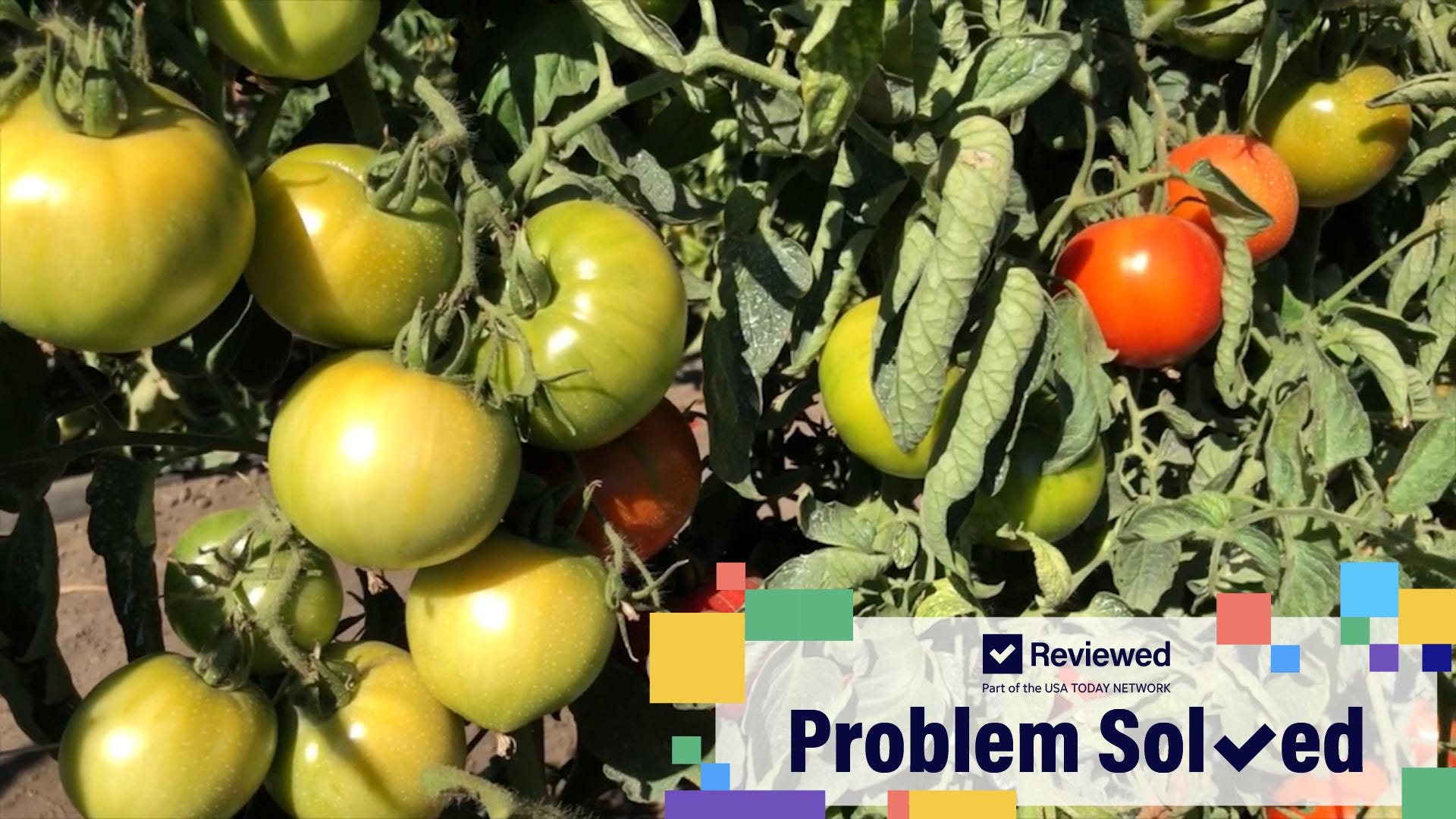
When selecting varieties of tomato, understand which varieties are determinate and which are indeterminate. Determinate tomato varieties reach a specific size and height and then stop growing vegetatively. The fruits on a determinate tomato variety generally all ripen at the same time. These types of tomato varieties are most suitable for small spaces.
Indeterminate varieties of tomato continue to grow throughout the growing season and are generally larger than determinate varieties and thus require more space in the garden and more robust staking and support. Indeterminate varieties will continue to produce fruits until disease or frost kills the plant.
Trying something new
While it can be fun to grow a new vegetable or try some new varieties of a vegetable you have grown before, consider limiting the number of new vegetables or new varieties you grow each year.
Many vegetable gardeners, particularly novice gardeners, experience frustration when adding many different vegetables or new varieties in the same season. Even if the weather is perfect, pest presence is low and you are able to keep the critters out of the garden, don’t complicate the garden beyond what will be enjoyable to you come July and August!
Choosing varieties for Greater Columbus
When choosing vegetable varieties, it is best to match variety characteristics to local conditions. If a seed variety description indicates that the variety grows best in sandy soil, it may not be the best choice for many native soils in Greater Columbus.
One method for learning which specific vegetable varieties will do best in Greater Columbus is to learn from the experiences of other vegetable growers. Ohio State University Master Gardener Volunteers have maintained a vegetable variety research garden on the OSU campus for nearly 20 years.
In this project, Master Gardeners evaluate different vegetable varieties for yield, plant health and even taste, under the typical backyard growing conditions of Greater Columbus.
Each year, we publish a list of Vegetable Trials Top Producers, listing the best varieties of different vegetables over the past few seasons. To view the 2026 list of top producers, go to go.osu.edu/topveggieproducers2026.
Mike Hogan is Extension Educator, Agriculture and Natural Resources and associate professor with Ohio State University Extension.
Comments are closed.