
Our resident gardener Jamie Marsh is back after a seasonal break with his Jamie’s Little Akllotment column…
I hope the first few weeks of 2026 have treated you well and that you’re back in the swing of things again after the festive break.
I thought over the next several weeks, I’d talk to you about starting a veg garden from scratch. Whether you’ve got plenty of space for a large plot, or your outside space is limited to a small garden or even a balcony, I’m hoping to share information, hints, tips and advice so that 2026 could be the year you start growing your own. And if you’re already a seasoned grower, you might just pick up a few ideas that make how you grow that little bit smoother.
 Modules ready for seeds and compost
There isn’t a huge amount we can sow in the way of seeds at this time of year, but there are a few crops that really benefit from being started nice and early. Chillies, peppers and aubergines all need a long growing period, and an early start can make a big difference to how well they crop later on.
These plants originate from warmer parts of the world, places like Chile, Spain and India, where there are higher temperatures and far more daylight hours than we get here. If we want to grow peppers, chillies or aubergines successfully, we have to somehow mimic that warmth and light to get the seeds going.
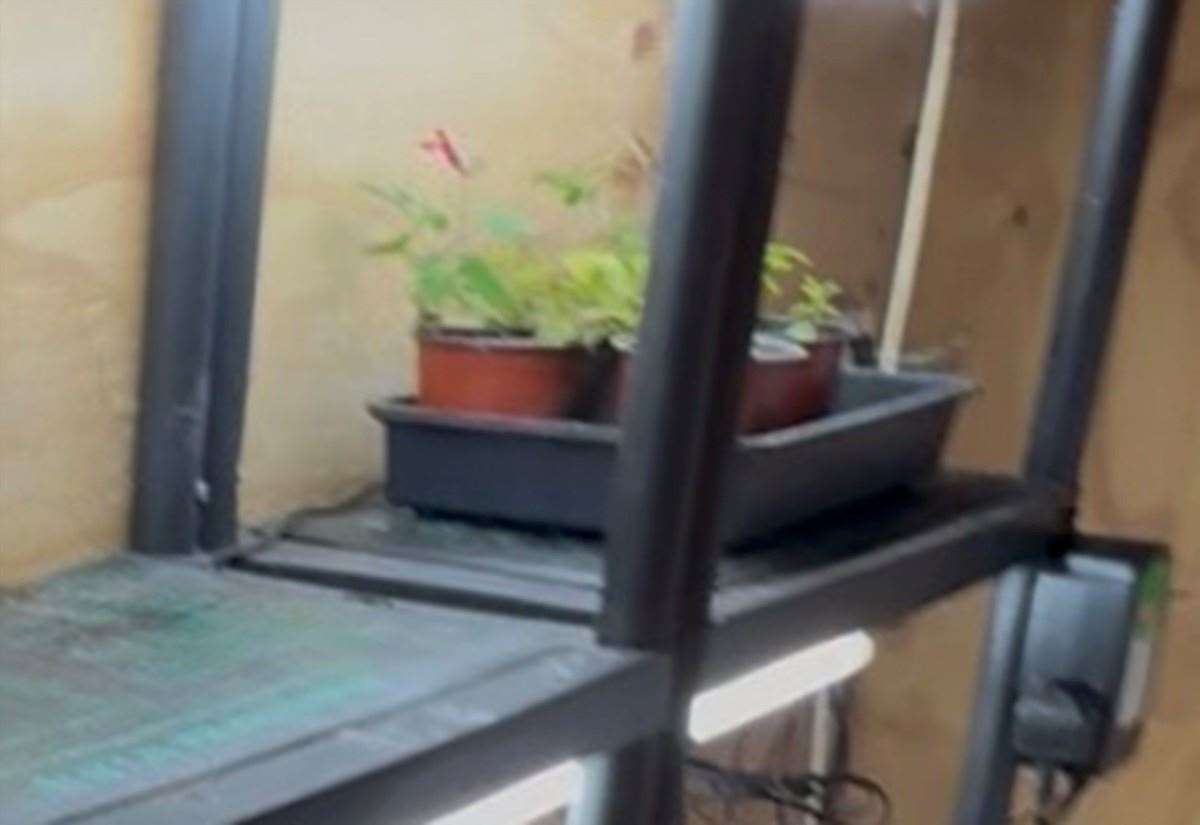
There are several ways of doing this. I’m lucky in that I’ve got what I call my hot hut. It’s basically a small shed I built in the corner of my garage, fitted out with shelves, grow lights and heat mats so I can control the conditions. But you really don’t have to go to those extremes. These days, there are plenty of small LED grow light setups available, along with heated propagators, that are ideal for home use.
Jamie starts his seeds off in a warm environment
And even that isn’t essential. A bright, south-facing windowsill will be enough to get seeds started for most people.
If you’re new to growing from seed, don’t overthink it. Most seed packets have clear instructions on the back telling you when and how to sow, and they’re well worth following. Seeds are easy to come by too, from garden centres and seed merchants through to supermarkets and online suppliers, so it doesn’t need to be complicated or expensive to get started.
I use seed modules now rather than a traditional seed tray. Modules are ideal because you sow one seed per cell and it saves all the pricking out later on. Fill the modules with a good peat-free seed compost, give it a thorough watering, then sow one seed in each module and lightly cover with more compost. I like to water before sowing because watering afterwards can dislodge the seeds. Another option is to sit the modules or seed tray in a tray of water and let the moisture soak up from below.
That should provide enough moisture until the seeds germinate, but keep an eye on them so they don’t dry out. Once they’re up, keep them nice and warm and give them as much light as possible. If you’re using a windowsill, remember not to leave seedlings there overnight behind closed curtains. The temperature difference between the cold glass and your warm room can be surprisingly big, and it can be enough to finish off young plants before they’ve really got going.
So if you’ve ever fancied giving chillies, peppers or aubergines a go, now is a great time to start. A few seeds on a windowsill can be the beginning of a really rewarding growing season.
Comments are closed.